

Match anesthesia to patient and procedure
Ask patients about drugs and past anesthesia trouble, examine them, and review test results before choosing a plan.
Career profile
Anesthesiologists are doctors who plan anesthesia and manage a patient's medical condition throughout a procedure.
If you wonder how drugs act on the body, this job lets you watch those effects unfold and decide what to do as things change.
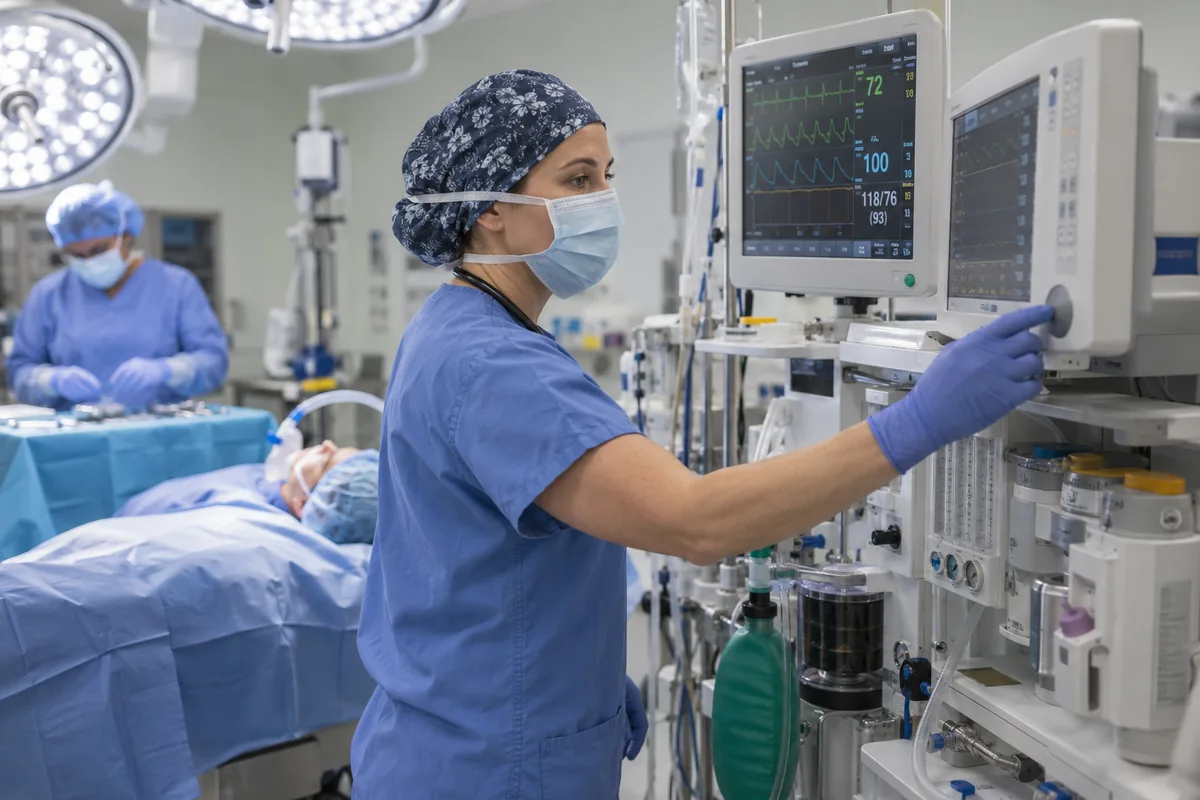
Ask patients about drugs and past anesthesia trouble, examine them, and review test results before choosing a plan.
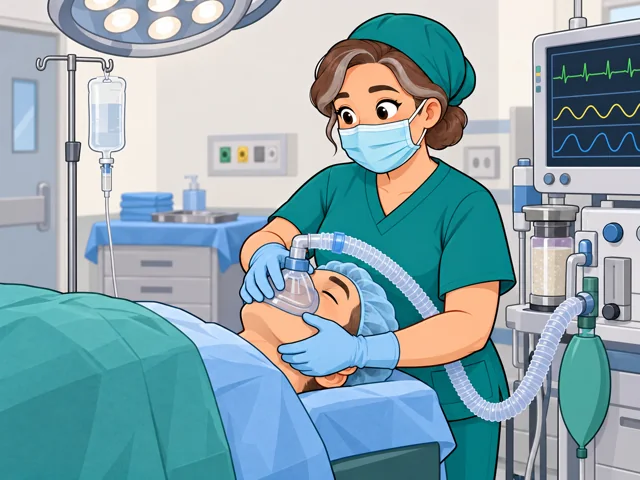
Give the anesthetic drugs, and if the procedure needs it, manage the airway to support breathing.
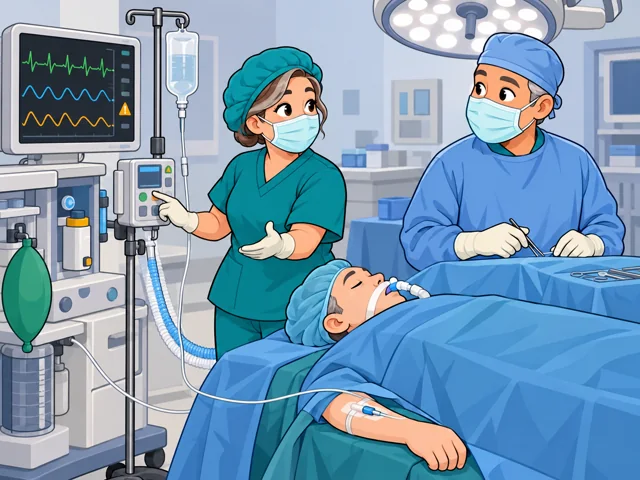
When the monitor shows blood pressure shifting, figure out why and adjust care while keeping the surgeon informed.
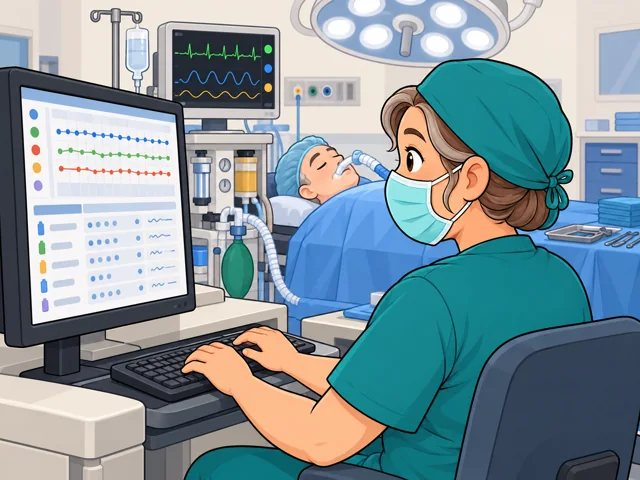
Log each drug, its dose, and the patient's condition on the anesthesia chart from start to finish.

With the recovery nurses, check breathing, blood flow and alertness before deciding on a hospital room or home.
United States
United States · May 2025
United States · 2025–2035
Quick orientation
The usual path runs through college, medical school, and four years of anesthesiology residency.
National annual median for anesthesiologists; the hourly equivalent is $188.22.
About 1,100 openings a year nationally, including replacement openings.
Emerging software looks for patterns in patient measurements that may warn of complications. Researchers are also developing systems that automatically adjust drug delivery using monitor readings.
You still connect the readings to the patient's health, choose a treatment plan, and explain decisions to patients and colleagues.
How much routine adjustment can safely become automatic across different patients and procedures remains unsettled. The balance between operating equipment and overseeing it may change.
Pay in context
Use the national figures as a reference, then compare an offer's hours, overnight call, and compensation terms.
Anesthesiologists had median wages of $391,490 a year in May 2025, equivalent to $188.22 an hour. This is an occupation-wide figure, not a starting-salary promise.
The 10th-percentile annual wage was $101,460 and the 90th-percentile wage was $557,130. These mark positions in the wage distribution, not beginner and experienced pay grades.
Employment is projected to grow 3.6% from 2025 to 2035, with about 1,100 openings annually from growth and replacement needs. Opportunities in a particular city can differ.
The usual route has two required phases below. Plan for roughly four years of college, four years of medical school, and four years of residency.
After entry
This starts where the entry routes leave off: early work, growing capability, and advancement or specialization. This path also has a credential or licensing boundary; see the requirements and limits.
In your first role after residency, build dependable routines with surgeons and nurses for planning cases and communicating changes.
Review difficult cases and use continuing education to address gaps in your knowledge and improve your next decision.
Pursue fellowship training and the relevant certification requirements to specialize in areas such as pediatric anesthesiology, pain medicine, or critical care medicine.
A broad surgical case mix can include obstetrics and complex specialty care. Working with residents adds teaching and discussion of clinical decisions to patient care.
You plan anesthesia and pain relief around a procedure followed by same-day discharge. Recovery readiness shapes the work, including choices about numbing techniques and pain medicines.
Try it
Read the American Society of Anesthesiologists' public explanation of the anesthesiologist's role. Sketch one patient's journey through a procedure and mark where the physician must make a decision. Notice whether the medical reasoning or the hands-on work interests you more.
Stay safe: Keep this a reading exercise; do not try medicines or airway techniques.