
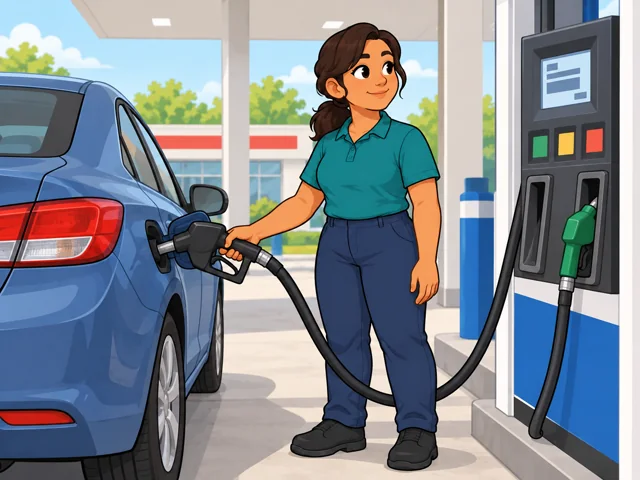
Pump the fuel they want
Ask the customer which fuel and how much, then set the dispenser and run the pump.
Career profile
Service attendants fuel vehicles and boats, take payment, and handle routine service tasks.
This job keeps switching between machines and people. One minute you're gripping the fuel hose, and the next you're answering a customer's question.
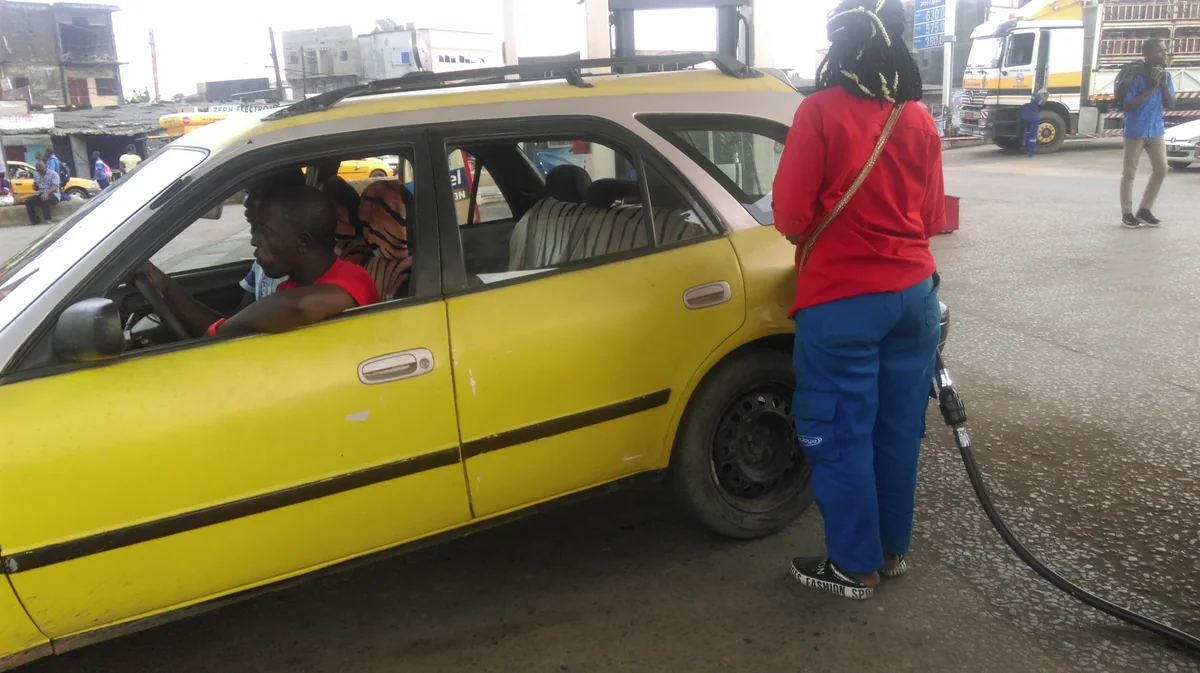
Ask the customer which fuel and how much, then set the dispenser and run the pump.
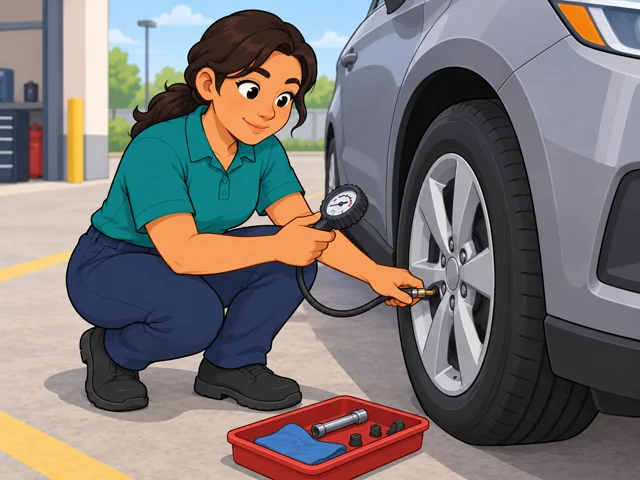
In some vehicle-service jobs, you check tire pressure and fluid levels or swap worn wiper blades.
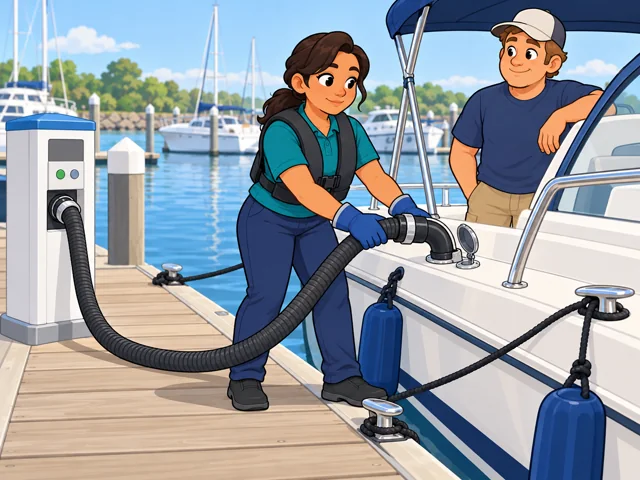
At certain marinas, you help boaters arrive and depart and drain holding tanks with pump-out equipment.
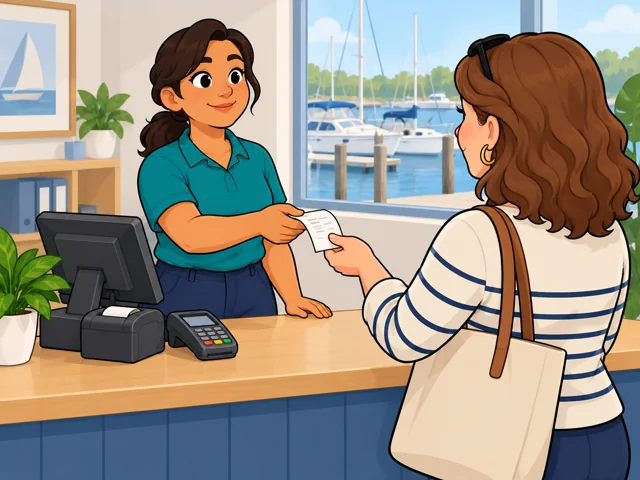
Ring up payment at the cash register, plus docking fees at some marinas, then hand over a receipt.
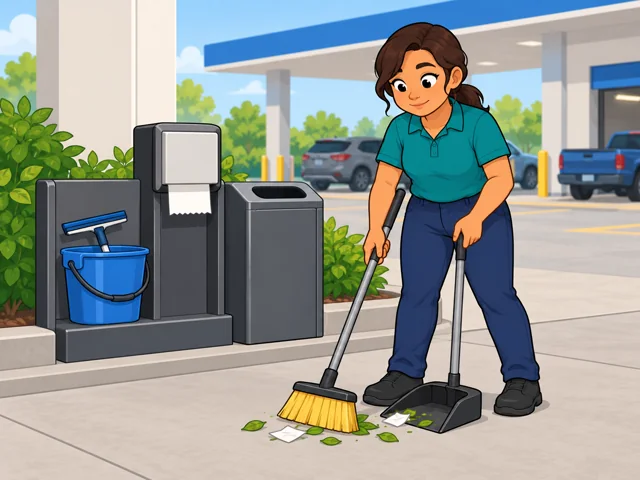
Sweep, empty the trash, and restock supplies, and at marinas you may clean boater showers and public restrooms.
United States · 2025
United States · 2025
United States · 2025–2035
Quick orientation
Typical entry involves short-term workplace training; no formal educational credential is typically needed.
The national median is $35,670 annually across vehicle and watercraft service attendants.
About 12,900 openings per year are projected nationwide over 2025–35.
Registers process purchases, and marina reservation systems help track customer bookings.
You still handle hoses, help boaters, and respond when customers need assistance.
How much check-in and payment becomes automated is uncertain; that could change how you divide time between customers and equipment.
Pay in context
Use the national figures as a starting point when comparing an actual offer.
The 2025 median was $17.15 an hour, or $35,670 annually. Half earned more and half less; this combines vehicle and watercraft attendants.
In May 2025, the 10th-percentile wage was $13.76 an hour and the 90th-percentile wage was $22.14. These are wage percentiles, not starting and experienced pay rates.
Employment is projected to grow 3.8% during 2025–35, with about 12,900 openings annually. Openings include replacement needs, not just new positions.
Workplace training is the usual starting point. Individual employers set their own hiring requirements.
After entry
This starts where the entry routes leave off: early work, growing capability, and advancement or specialization.
Make fueling and payment routines dependable, and learn who to call when equipment or customer problems arise.
At a marina, build capability in boat handling, mooring arrangements, and facility maintenance through workplace training.
In retail fuel operations, learn wider store operations and build leadership experience to pursue a supervisor role overseeing service, stock, and staff routines.
Your work area surrounds the dispensers. You serve arriving drivers and coordinate with a store team while keeping the outdoor area ready.
You move between the dock and customer-service areas. Boat arrivals, pump-outs, reservations, and facility cleanup can share the same shift.
Try it
On a normal visit to an attended fuel station, watch one service interaction. Note when the attendant switches attention between the customer, pump, and payment. Would you enjoy staying accurate through those switches?
Stay safe: Stay in the customer area and out of vehicle paths; do not handle equipment for this exercise.