
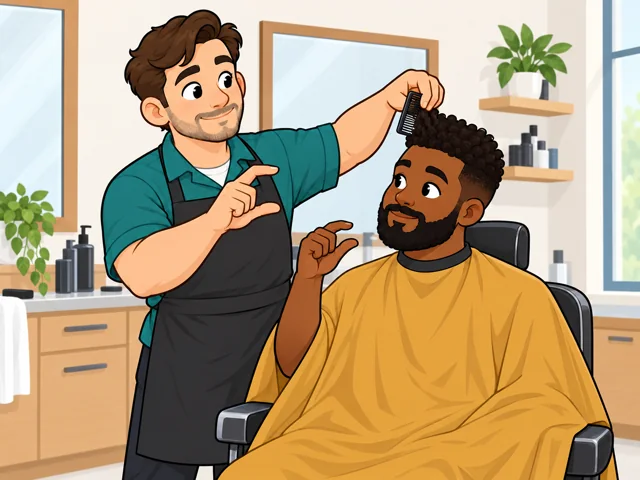
Ask what "shorter" means
Pin down the haircut by asking what "shorter" means before deciding how much to take off.
Career profile
Barbers cut hair, trim and shape beards, and give shaves.
A customer says what they want, and your job is to turn that into a haircut they can check in the mirror.
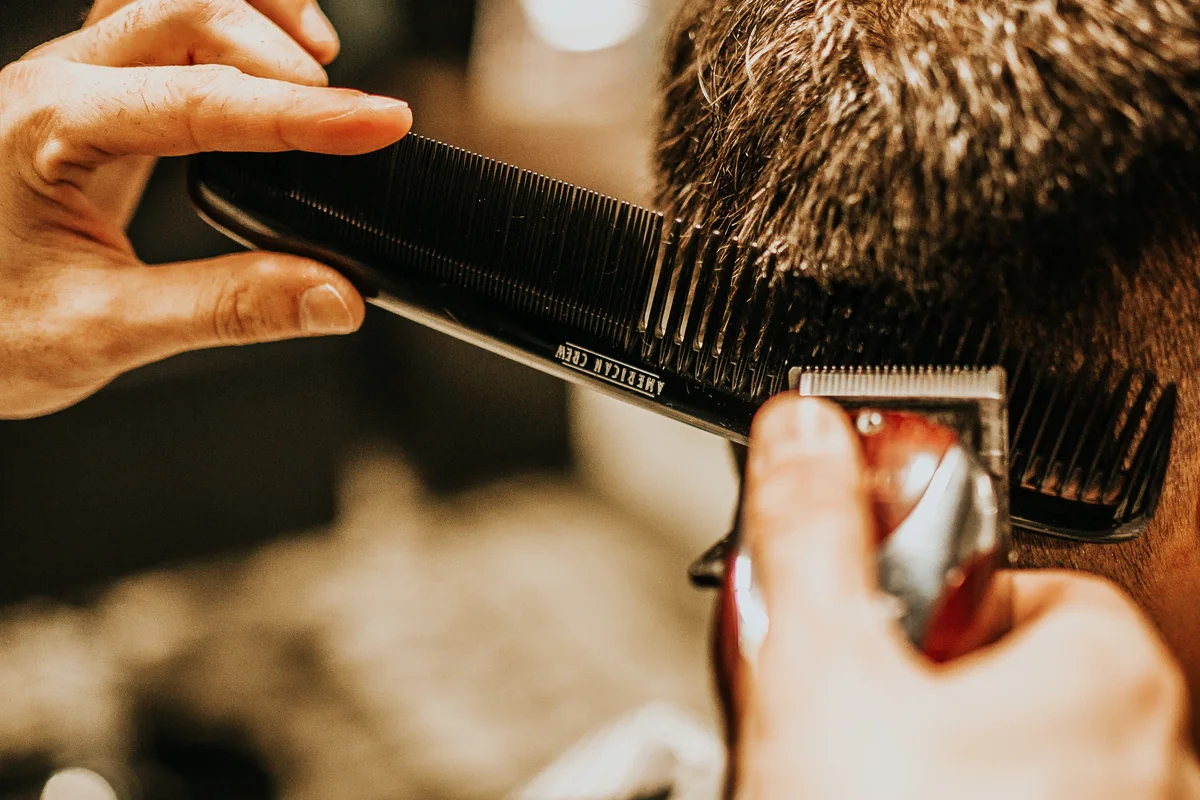
Pin down the haircut by asking what "shorter" means before deciding how much to take off.
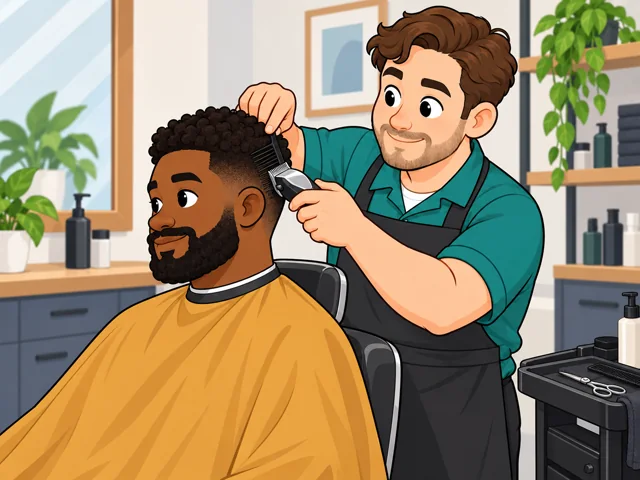
Work the sides with clippers, scissors and a comb until close-cut areas flow smoothly into longer hair.
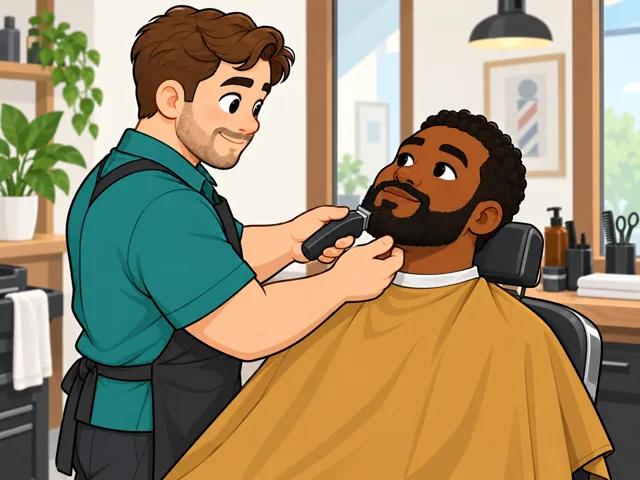
Trim beards and other facial hair to the requested style, using a razor when someone wants a shave.
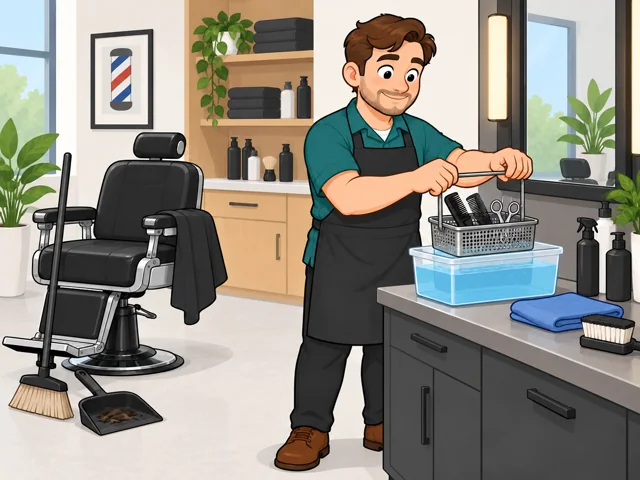
Sweep cut hair off the floor and wash and disinfect your tools before the next customer sits down.
United States · 2025
United States · May 2025
United States · 2025–2035
Quick orientation
A certificate or other nondegree program is typical; approved routes depend on your state.
National employee median: $18.37/hour. Self-employed earnings are excluded.
About 6,900 barber openings a year are projected nationwide, including replacement openings.
Booking software can accept appointments online and send automatic text or email reminders.
You still handle the consultation, cutting, and shaving.
How much client communication will become automated remains uncertain, especially when requests need back-and-forth clarification.
Pay in context
Use employee wages as a starting point. They do not measure the income of a barber running a business.
The median was $38,210 a year, or $18.37 an hour. The 10th–90th percentile range was $28,600–$76,460 annually, or $13.75–$36.76 hourly. These are wage percentiles, not beginner and expert rates. Annual figures assume 2,080 paid hours.
Barbers employed in personal care services, including barbershops, had a median wage of $18.26 an hour.
Tips and commissions are already included in employee wage figures. If you rent a chair, customer payments must also cover business expenses such as rent and products. Compare the pay arrangement, hours, and expenses before judging an offer.
Employment is projected to grow 3.3% from 2025 to 2035. The roughly 6,900 annual openings include replacing people who leave the occupation, so they are not all newly created jobs.
States license barbers. Check your state's age, education, training, and exam rules before enrolling.
After entry
This starts where the entry routes leave off: early work, growing capability, and advancement or specialization.
Build consistent cuts and record client preferences for return visits.
Use advanced classes to learn styles and techniques beyond your initial training.
With experience, you could add staffing, supplies, and advertising to your responsibilities.
The owner may set your shifts and service prices. Ask how appointments, supplies, and pay are handled before accepting a job.
You share the setting but operate your own business. You typically choose prices and hours, buy products, and keep your own income and expense records.
Try it
Choose a haircut photo and ask a friend to describe what they like about it. Sketch the desired length on the top, sides, and neckline, then check whether your sketch matches their request. Notice whether you enjoy turning vague preferences into precise choices.
Stay safe: Keep this to conversation and drawing; no cutting or shaving is needed.