

Career profile

Bioinformatics Scientist

Bioinformatics scientists combine programming and biology to study genes, proteins and how living things work.

What do many thousands of data points from an experiment mean? Bioinformatics scientists help find out and build new methods for exploring the next question.

Bioinformatics scientists examine biological data together on a computer.

A day in the life

1A bioinformatics scientist and a researcher arrange sample groups and discuss an analysis diagram at a table.

Pin down which samples to compare

Ask a researcher which samples to compare, then pick a method for studying how their gene activity differs.

2A bioinformatics scientist inspects short genetic sequence fragments aligned beneath a reference track on a monitor.

Line up fragments with alignment tools

On sequencing projects, align short genetic fragments against a reference, then inspect the output in a genome viewer.

3A bioinformatics scientist investigates a failed workflow test by comparing mismatched output plots and tracing the affected analysis stage.

Test a pipeline update first

Try an updated pipeline on trial data, and if checks fail, investigate before the change goes live.
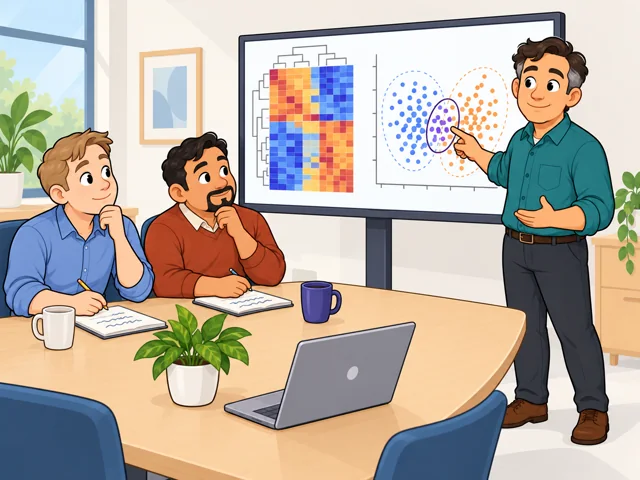
4A bioinformatics scientist explains a gene-activity figure to two colleagues, highlighting a group difference and an overlapping region that limits the conclusion.

Walk coworkers through a chart

Explain to coworkers what a chart means biologically, and point out questions the evidence cannot settle yet.

Quick facts

Preparation

Graduate study is common

United States · 2026

Pay

Not displayed

Pay depends on the role, experience, and location; see the specific salary ranges below.

Outlook

Not displayed

A separate national growth estimate for bioinformatics scientists is unavailable.

Quick orientation

Preparation, pay & outlook

Preparation

Graduate study is common

Build biology, programming, and statistics skills. Degree and experience requirements vary.

Geography
United States
Period
2026

Pay

Not displayed

Pay depends on the role, experience, and location; see the specific salary ranges below.

Geography
United States
Period
2025

Outlook

Not displayed

A separate national growth estimate for bioinformatics scientists is unavailable.

Geography
United States
Period
2025–2035

Fit, tradeoffs & changing tools

Things to weigh

  • A day can disappear into debugging at a screen without producing a new biological finding.
  • Learning new methods and writing up results take time alongside the analysis itself.

Where AI may help

Workflow software connects analysis steps so they can run repeatedly. Artificial intelligence coding assistants are also entering bioinformatics training.

What people still lead

You still need to understand the biology, inspect the code, and judge whether the analysis answers the research question.

What we can’t predict yet

How much of a whole analysis coding assistants can reliably handle remains uncertain, especially when the data or biological question changes.

Pay in context

Earnings

Salary ranges can differ sharply between roles. These are advertised amounts for experienced positions, not starting-pay promises.

Diagnostic development

A Baltimore-listed bioinformatics scientist position offers $80,000–$100,000 a year and requires at least five years analyzing sequencing data. Skills, experience, and education affect the offer; a performance bonus may be available.

Geography
Baltimore, Maryland, United States
Period
Posting accessed October 4, 2026
Pay basis
Advertised annual salary; potential bonus separate

Senior drug-discovery research

A California senior role studying large sets of proteins lists $146,404–$198,076 in annual base salary. This specialized role illustrates a different level of responsibility, not a guaranteed pharmaceutical-industry premium.

Geography
California, United States
Period
Posting dated September 4, 2026; accessed October 4, 2026
Pay basis
Advertised annual base salary; incentives separate

Getting started

Combine a master's degree with applied work

What the route involves
After a related bachelor's degree, study computational biology, statistics, and programming, then apply them through research or an internship.
What it can lead to
You build preparation for bioinformatics work in research, biotechnology, or pharmaceuticals, with a project you can explain to employers.
What to check
Check each program's entry requirements and practical-work component; a degree alone does not guarantee a scientist position.

Train through doctoral research

What the route involves
Pursue a Doctor of Philosophy (PhD) in bioinformatics or a related field. Develop original research, present findings, and defend a dissertation.
What it can lead to
You develop the independent research skills used to create new methods and pursue scientific questions in academia or industry.
What to check
Some programs admit directly from a related bachelor's degree; doctoral study also requires qualifying assessments and sustained original research.

Graduate study is a common route. Some employers also accept a bachelor's degree plus substantial scientific experience.

After entry

Career paths

This starts where the entry routes leave off: early work, growing capability, and advancement or specialization.

  1. Get established

    Reproduce an existing analysis and learn how your team records code, settings, and data versions.

  2. Own an analysis

    Take responsibility for a workflow's tests, documentation, and improvements as new data arrive.

  3. Lead or specialize

    Develop new analytical methods or lead technical staff working on a research problem.

Where you can work

Diagnostic development teams

Work with laboratory scientists, clinicians, and software engineers. Validation records and dependable analysis matter because the software supports patient testing.

  • Indoors
  • Office

Drug-discovery groups

Work alongside experimental scientists to connect protein measurements with possible drug targets. The analysis helps shape what the laboratory investigates next.

  • Indoors
  • Office
  • Lab

Try it

See whether the job clicks before you commit to the path.

Compare these artificial genetic sequences on paper: ACGTACGT and ACGTTCGT. Mark the difference, then describe a rule a computer could use to find it. Add a letter to one sequence and reconsider your rule. Do you enjoy turning a biological comparison into a precise procedure?

Explore more careers

Sources

  1. O*NET OnLine. 19-1029.01 — Bioinformatics Scientists. Accessed 2026-10-04.
  2. O*NET OnLine / U.S. Bureau of Labor Statistics. National Wages: 19-1029.01 — Bioinformatics Scientists. Accessed 2026-10-04.
  3. U.S. Bureau of Labor Statistics. Occupational projections and worker characteristics. Accessed 2026-10-04.
  4. Quest Diagnostics. Bioinformatics Scientist — requisition 68385. Accessed 2026-10-04.
  5. Amgen. Sr. Scientist — Bioinformatics, Computational Biology, Proteomics, R-254726. Accessed 2026-10-04.
  6. Boston University. MS in Bioinformatics. Accessed 2026-10-04.
  7. Boston University. PhD in Bioinformatics. Accessed 2026-10-04.
  8. Boston University. Bioinformatics Masters Summer Immersion Project — Curriculum. Accessed 2026-10-04.

Your message goes to the Great Jobs team. How we use your information