
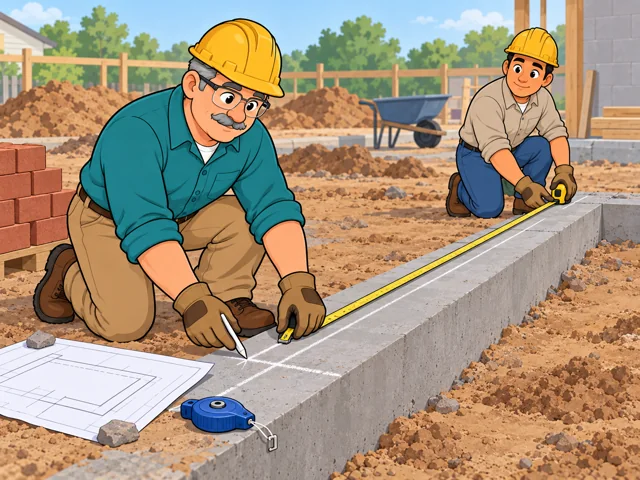
Mark where the wall goes
Follow the plan, measure from fixed points on site, and draw layout lines before the first row.
Career profile
Brickmasons and blockmasons build and repair walls using bricks, concrete blocks, and mortar.
Each job starts as a plan on paper and ends as level, even rows you can watch rise hour by hour.
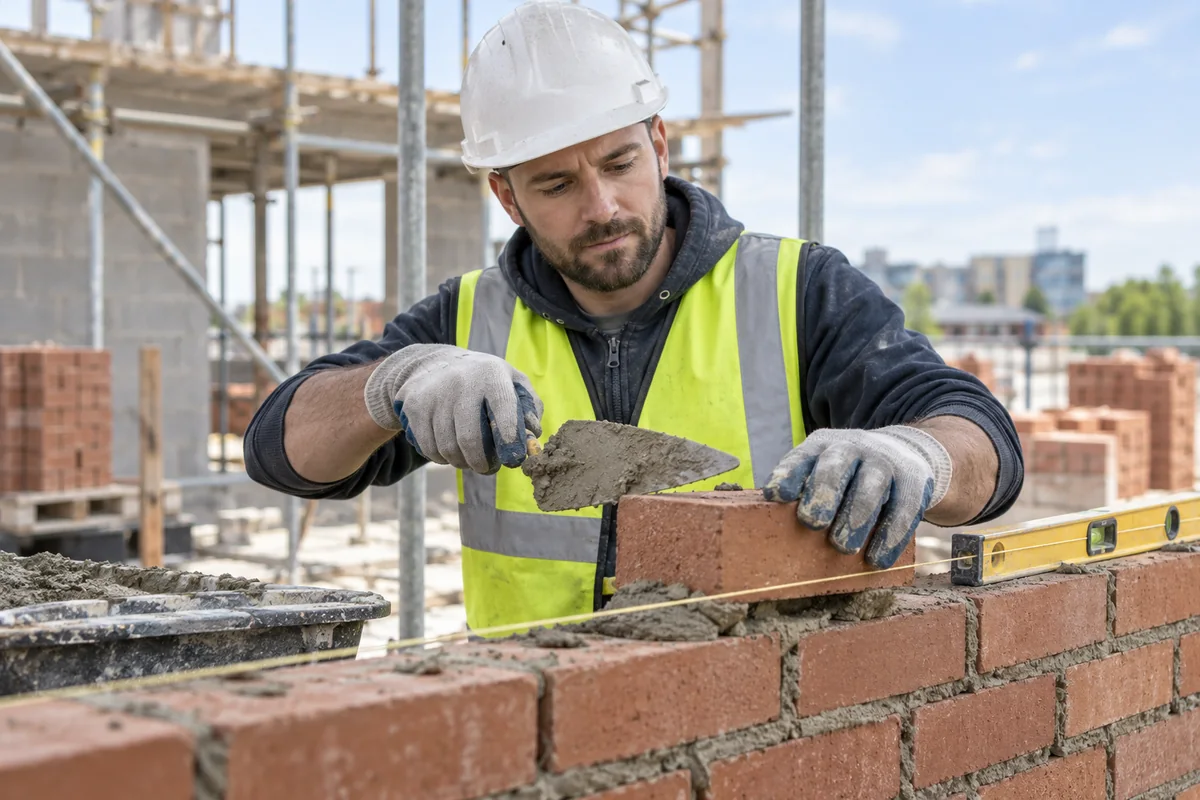
Follow the plan, measure from fixed points on site, and draw layout lines before the first row.
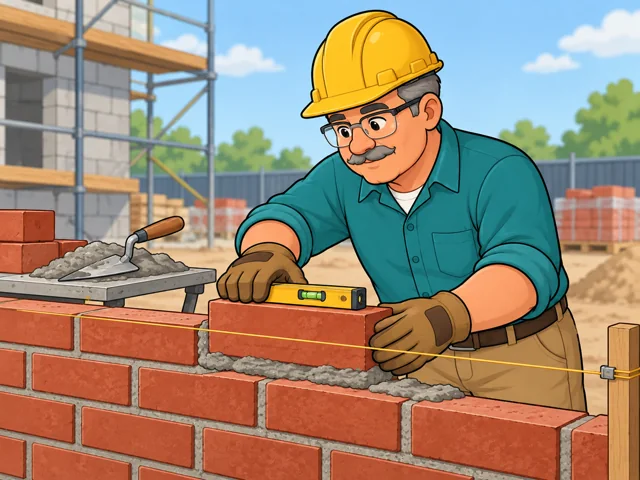
Trowel down mortar, set a brick in it, then check it against a string line and a level.
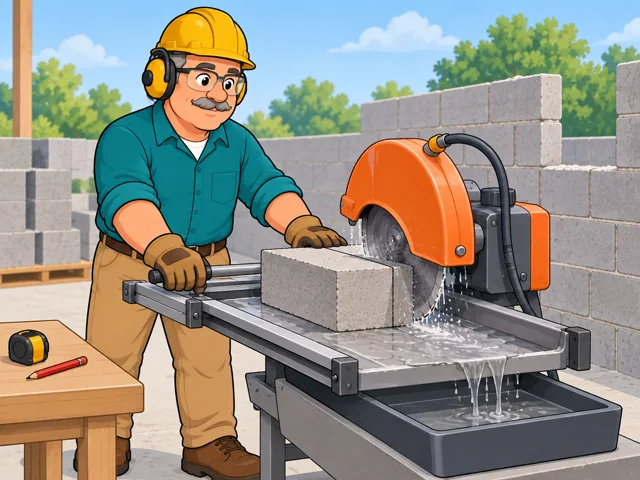
Measure the gap, then cut a brick or block to fit using hand tools or a masonry saw.
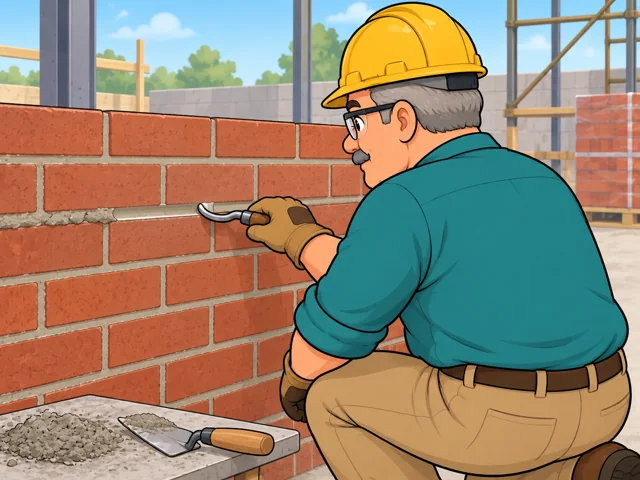
Scrape away leftover mortar, then shape each joint with a jointing tool so it looks even and sealed.
United States · 2025
United States · May 2025
United States · 2025–2035
Quick orientation
A high school diploma or equivalent and an apprenticeship are typical preparation.
National median for brickmasons and blockmasons; $29.87 an hour.
Employment is projected to grow slowly, with about 4,100 openings annually.
On some sites, powered lifting arms support heavy blocks while you guide them into place.
You still check alignment and finish mortar joints.
Prefabricated wall panels can reduce onsite masonry work. How much work shifts toward panel installation will depend on the projects being built.
Pay in context
The national median is $62,120 annually, or $29.87 hourly. Use it as a comparison point when looking at an offer.
In May 2025, the 10th-percentile annual wage was $44,820 and the 90th was $100,010. These describe the wage distribution, not beginner and expert pay levels.
For historical context, May 2023 annual mean wages were $63,090 at foundation, structure, and building exterior contractors and $66,020 in nonresidential building construction. These older averages are not current offers.
Ask about expected hours, weather interruptions, and how apprentice pay progresses.
National employment is projected to grow 1.1% during 2025–2035, with about 4,100 openings a year on average. Openings include replacement needs, not just newly created jobs.
A diploma or equivalent is typical. You learn the trade alongside experienced masons.
After entry
This starts where the entry routes leave off: early work, growing capability, and advancement or specialization.
Practice even mortar placement and level rows.
Develop accuracy with corners, spacing, and material estimates.
With experience and further training, you could become a foreman or superintendent running jobsite work.
Restoration work puts you beside older brickwork, repairing damaged areas and renewing joints.
Specialist brickmasons install heat-resistant linings in furnaces and boilers, using materials chosen for high temperatures.
Try it
Draw a small brick wall on graph paper with a window opening. Offset the joints between rows and mark where partial bricks would fit. Notice whether working out the pattern and correcting uneven spacing holds your attention.