
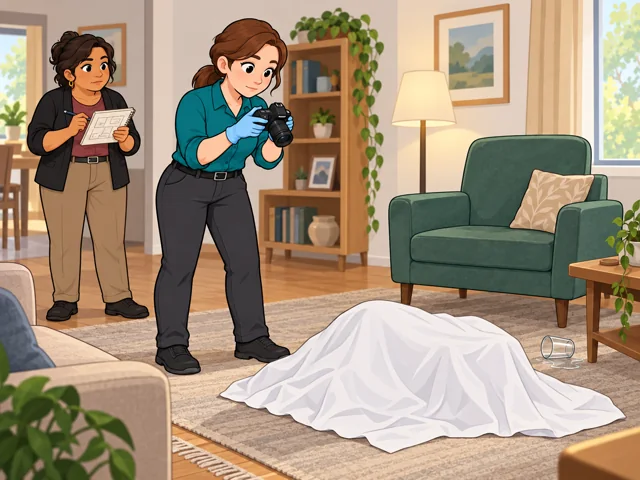
Photograph the death scene
Take photos and field notes that keep a lasting record of the body's position and nearby evidence.
Career profile
Coroners investigate violent or unexplained deaths and help set the official cause of death.
What can the scene, the doctors' findings and the witnesses prove? You combine all three and say how far that evidence honestly supports a conclusion.
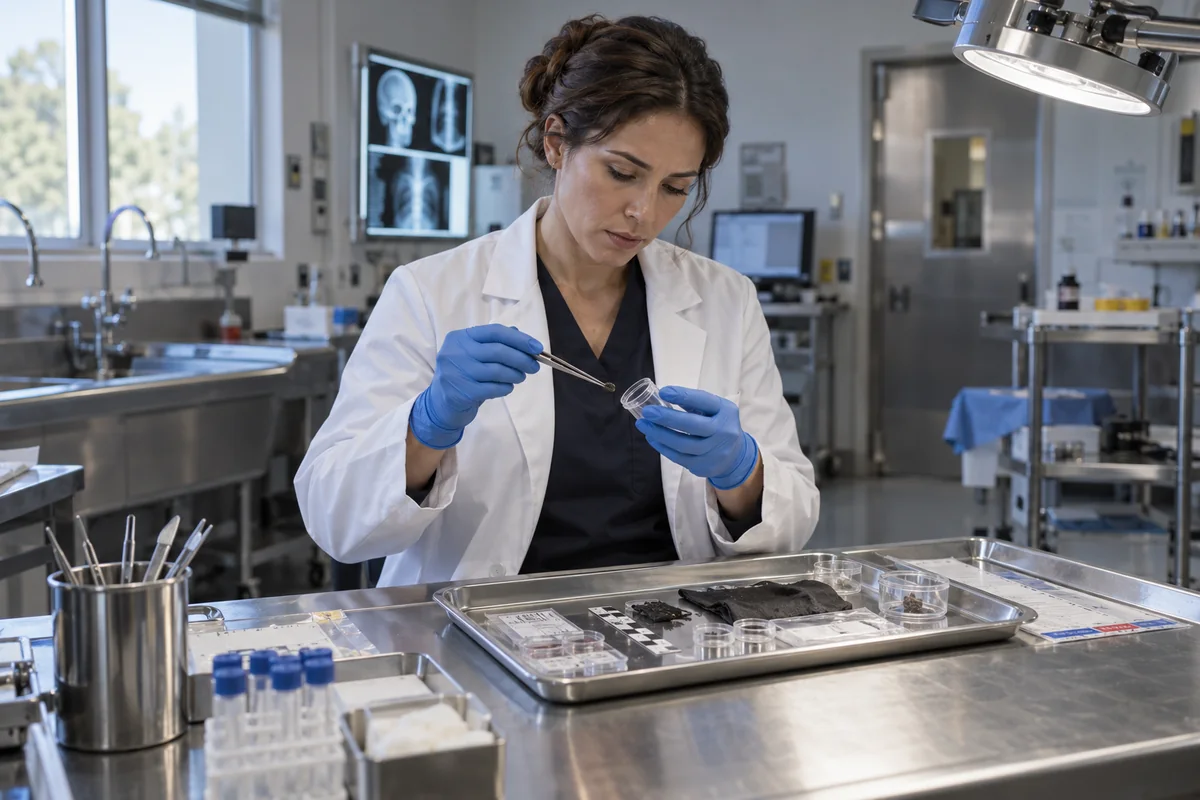
Take photos and field notes that keep a lasting record of the body's position and nearby evidence.

Talk with witnesses, read past health records, and where stories leave gaps, ask each what they saw firsthand.
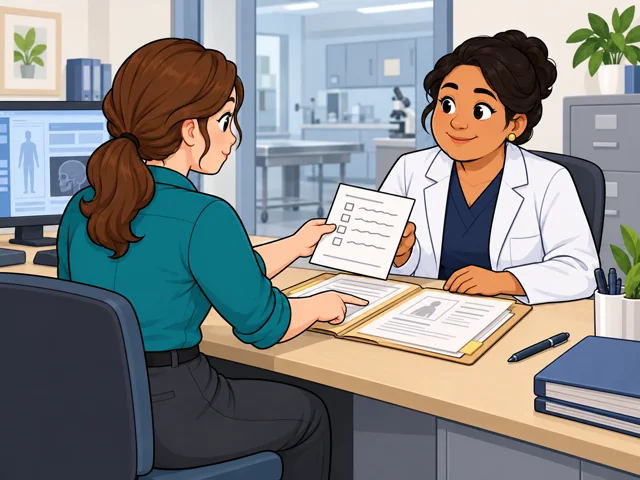
Request an autopsy from a pathologist, or drug and poison tests, when the case needs those answers.

Tell the family what has been confirmed about the death, and keep that apart from questions still open.
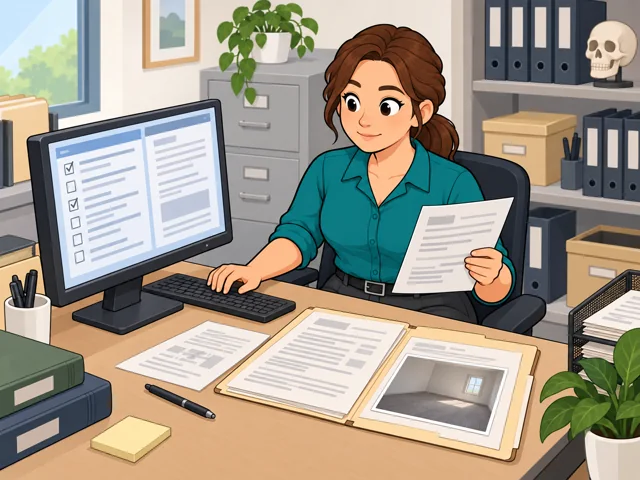
File the case report naming cause and manner of death, and present the evidence in court or hearings.
United States
Compare the salary range for the specific county position you want.
Plan around local hiring and election opportunities, rather than a national growth estimate.
Quick orientation
Education and death-investigation training depend on the state and position. Most states do not require coroners to be physicians.
Compare the salary range for the specific county position you want.
Plan around local hiring and election opportunities, rather than a national growth estimate.
Digital photographs and electronic records help preserve case information. In equipped facilities, computed tomography (CT) scans give specialists images from inside the body.
You still connect the scene and interviews with medical findings. Specialists must interpret scans carefully to avoid premature conclusions.
How much imaging can replace a full autopsy depends on the case and setting; it may answer some questions while leaving others unresolved.
Pay in context
County and job level matter. These local salary ranges give you concrete comparisons, not a national typical wage.
The 2026 monthly salary range is $6,232.68–$7,953.50 for Level I and $6,838.17–$8,729.58 for Level II.
Deputy Coroner I lists $69,461.84–$100,527.03 annually. The classification range is not a guaranteed starting offer.
County coroners are usually elected; deputies are hired. Check local candidate or hiring rules first. Coroners usually rely on pathologists for autopsies, and deputies' authority to sign findings depends on local rules.
After entry
This starts where the entry routes leave off: early work, growing capability, and advancement or specialization.
Work through cases with an experienced deputy, learning how interviews, medical records and scene evidence fit together.
Take on more independent casework. In Riverside County, progression to Deputy Coroner II requires satisfactory probation and the additional qualifications.
A chief deputy role can add difficult cases, review of investigative records, staff supervision and coordination of autopsies.
You travel to the scene and work around weather, uneven ground or confined spaces. The location shapes how you reach and document evidence.
You work near examination staff, prepare reports and answer case inquiries. Indoor work still includes a morgue environment and exposure precautions.
Try it
Make a paper-only practice file: someone was found unresponsive at home, a relative reports recent illness, and no medical records are available yet. List what is known and what you would ask the relative, physician and scene investigator. Notice whether you enjoy finding gaps without rushing to a cause of death.
Stay safe: Use only this fictional setup; do not investigate a real death or seek private records.