
Calculate needs, then draw the wiring
Work out by calculation what the equipment needs, then lay out its wiring in design software.
Career profile
Electrical engineers design electrical systems, then check whether each one works as intended.
How should this machine get its power? Your calculations, drawings and test runs turn that question into something others can build.
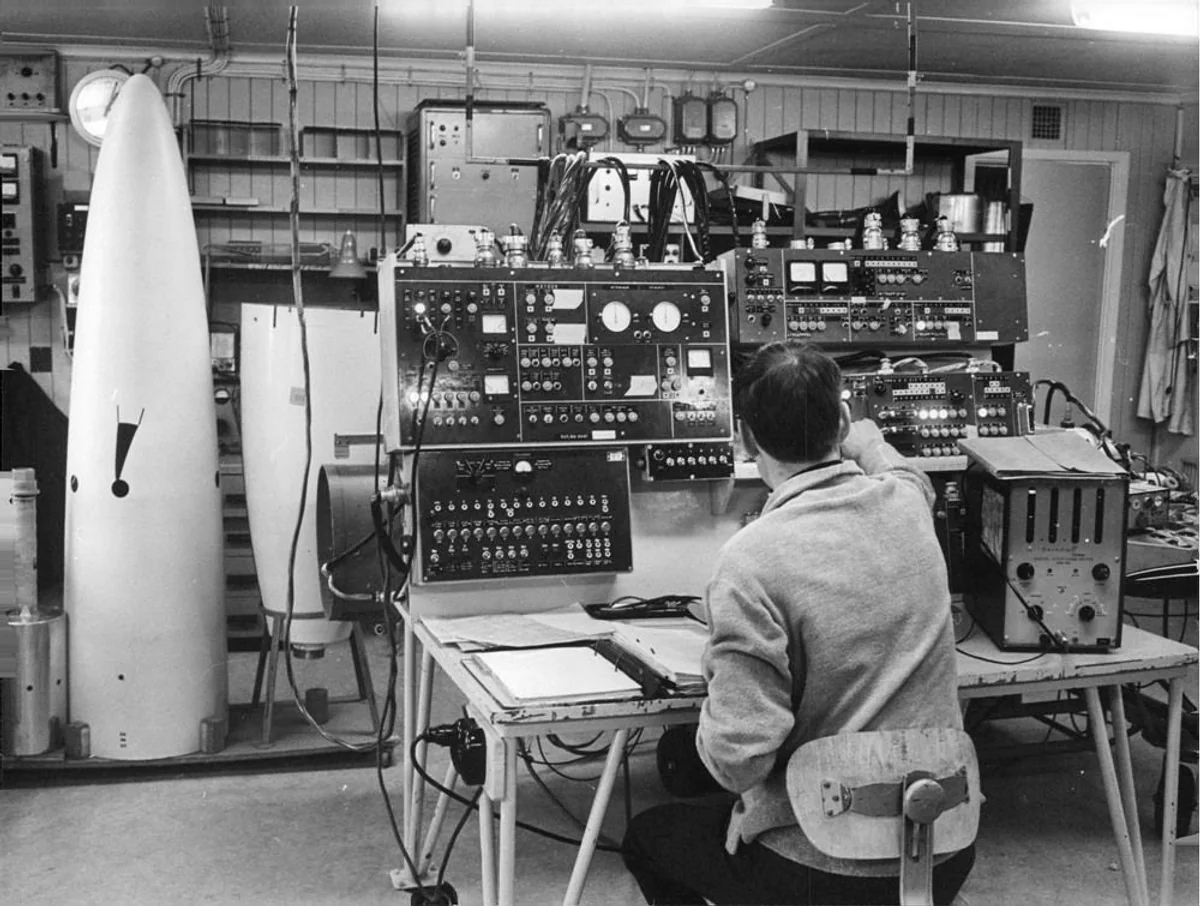
Work out by calculation what the equipment needs, then lay out its wiring in design software.
On motor-control jobs, simulate a motor with its controls and redesign if results miss the goal.
Set measured results beside the test plan, then pinpoint the fault and pick retests with test technicians.
Check installed equipment against your specifications and drawings, noting each mismatch for the project team to settle.
United States
United States · May 2025
United States · 2025–2035
Quick orientation
Usually in electrical engineering or a related engineering field.
Median electrical-engineer pay, equivalent to about $58.00/hour.
Projected employment growth for electrical engineers.
Simulation software can calculate how a proposed motor or power system behaves before hardware is built.
You choose which real-world details the model must capture and decide how to verify its predictions with tests.
How much physical testing simulation can replace depends on the design and the behavior its model leaves out.
Pay in context
The national median describes the whole occupation, not a starting offer.
The median was $120,630 a year, or $58.00 an hour. The 10th and 90th percentile annual wages were $76,550 and $184,300; these are wage positions, not career stages.
Annual medians were $105,780 in engineering services, $122,430 in electric power generation, transmission and distribution, and $141,160 in aerospace manufacturing.
About 11,400 openings are projected annually, alongside 9.9% employment growth over the decade. Openings include replacing people who leave the occupation.
Both routes build toward an engineering degree. Entry-level electrical engineering positions do not require a professional license.
After entry
This starts where the entry routes leave off: early work, growing capability, and advancement or specialization.
Learn the team’s drawing conventions and show how your calculations support each design choice.
Develop the test procedure, interpret failures, and coordinate the next investigation with technicians.
Move toward coordinating engineers and technicians across a larger project.
Work with test technicians to prove that hardware meets customer requirements. Test procedures and recorded results shape the day; some roles involve travel.
At a turbine test facility, the electrical systems support large equipment tests. Experienced engineers take responsibility for power distribution, motor-speed controls, and equipment that connects generators for testing.
Try it
On paper, design a battery-powered desk fan: sketch the battery, switch, and motor connections. List two requirements, such as running time and adjustable speed, then describe how you would test each. Notice whether turning a wish into something measurable interests you.
Stay safe: Keep this exercise on paper; no wiring or powered equipment is needed.