

Ask where the drafts are
Review the utility bills with the occupant and ask where they feel drafts to guide your tour.
Career profile
Energy auditors find where a building loses energy, then decide which fixes are worth it.
It begins with someone complaining that one room is drafty. Readings you take turn that complaint into a realistic list of upgrades.
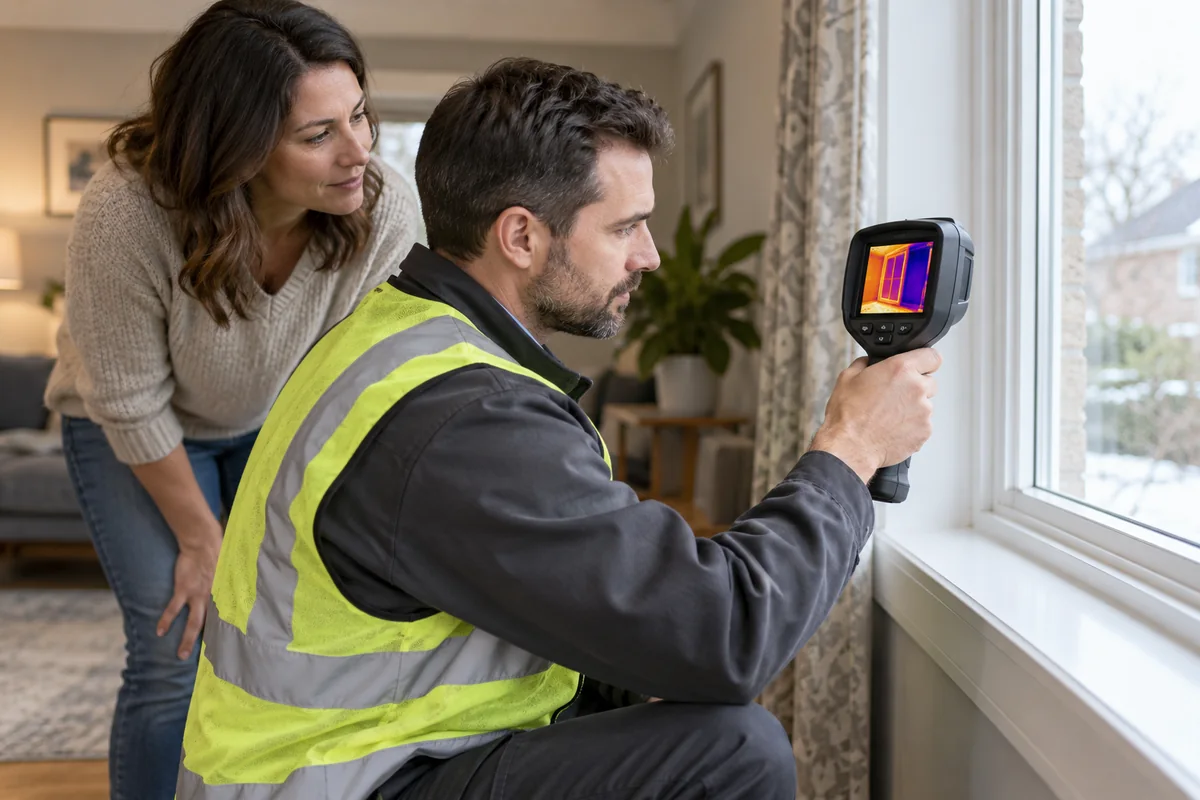
Review the utility bills with the occupant and ask where they feel drafts to guide your tour.
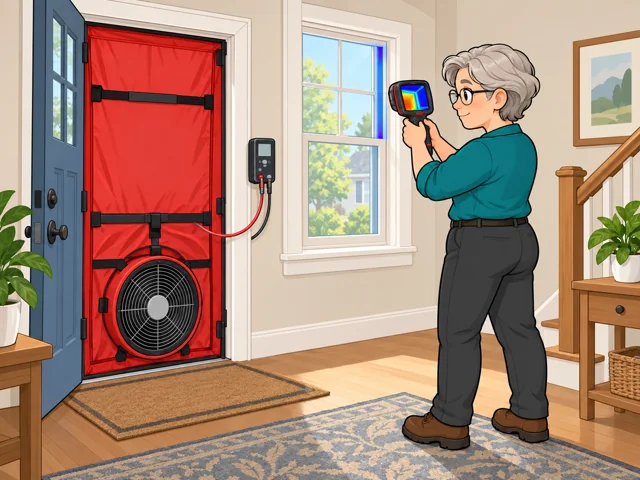
Measure air leaks with the blower door and check trouble spots for temperature differences on an infrared camera.
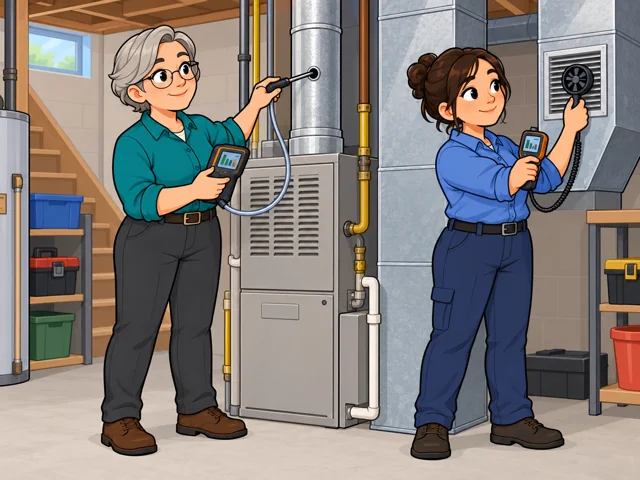
Test ventilation and fuel-burning appliances for safety problems that the upgrade plan has to address.
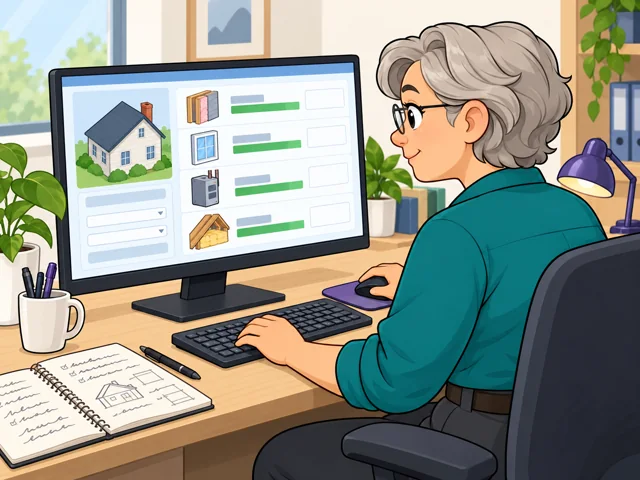
On weatherization jobs, model insulation, equipment and costs in software and compare projected savings before choosing fixes.
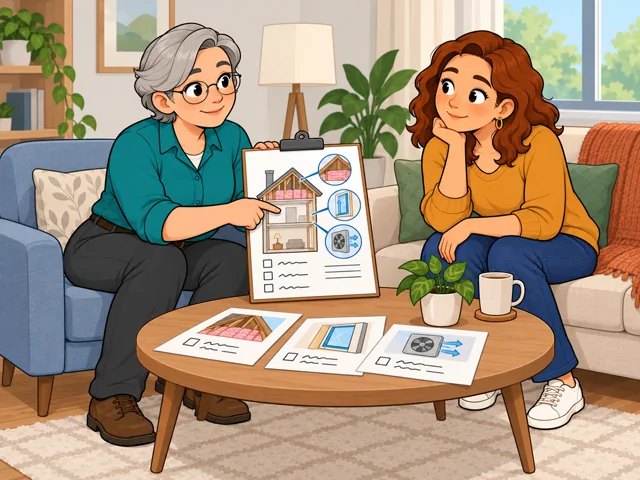
Explain suggested upgrades in a report, and in certain weatherization roles, draft contractor specs and inspect finished work.
United States · 2025 occupation update
There is no separate national median here for energy auditors.
A national forecast specific to energy auditors is not available.
Quick orientation
Preparation varies: vocational study, related work, or an associate degree can contribute.
There is no separate national median here for energy auditors.
A national forecast specific to energy auditors is not available.
Weatherization software can calculate estimated savings and rank upgrades using building details, local costs, and weather data.
You still collect reliable measurements, recognize safety concerns, and judge whether the proposed work fits the building.
How far software will take over recommendations remains uncertain. Unusual buildings and incomplete measurements make that harder than repeating a calculation.
Pay in context
A useful pay comparison separates trainee work from jobs that also carry inspection responsibility.
In Clackamas County, Oregon, the April 2026 weatherization energy auditor trainee range was $29.51–$37.18 an hour, or $61,374.91–$77,335.94 annually on a 40-hour schedule. This is a local pay grade, not a promised starting offer.
The same county's auditor/inspector range was $33.87–$42.92 an hour, or $70,451.55–$89,272.08 annually on a 40-hour schedule. That job combines audits with contractor oversight and final inspections and requires additional experience and credentials.
Residential auditing has both paid trainee routes and a route through building-science study and practical certification.
After entry
This starts where the entry routes leave off: early work, growing capability, and advancement or specialization. This path also has a credential or licensing boundary; see the requirements and limits.
Make accurate measurements and clear records a habit, so someone else can understand what you tested and found.
Learn to connect test results with energy models and compare upgrade packages, including their costs and estimated savings.
An advanced option is BPI's Building Analyst Professional (BA-P) credential for analyzing models and developing recommendations. It requires an active BA-T credential and passing a written exam.
You work inside occupied homes, connecting residents' comfort complaints with tests of the building and its equipment. Explaining the findings is part of the visit.
Audits feed into organized repair projects. Some roles follow the work through contractor bids and final inspections, with program records to maintain throughout.
Try it
With permission, compare a home's energy use across several bills and ask which rooms feel uncomfortable. Write one question you would investigate next and what measurement could help answer it. Notice whether you enjoy turning clues into a testable question.
Stay safe: Keep this a paper exercise; do not adjust appliances or enter attics or crawl spaces.