
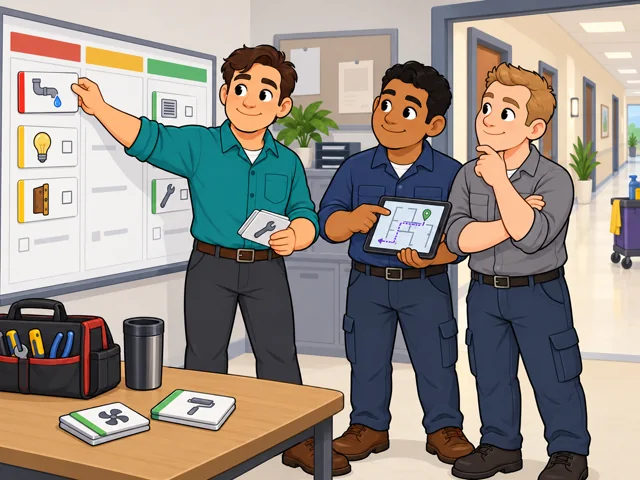
Rank open repair requests
With the maintenance crew, move a new leak above routine jobs and tell occupants when access changes.
Career profile
Facilities managers keep buildings running by arranging repairs, handling budgets and leading maintenance staff.
Machines and building systems break down, and you choose which fix comes first. You also plan how people keep using the space during repairs.
With the maintenance crew, move a new leak above routine jobs and tell occupants when access changes.
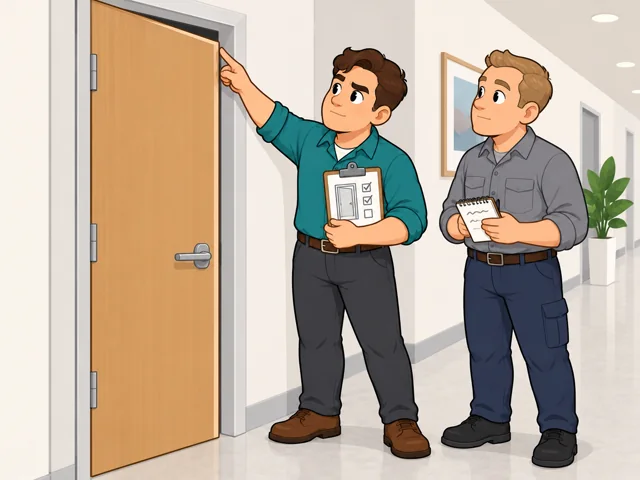
Walk through a contractor's finished job, measure it against the contract, and request fixes where it falls short.

Price out replacing aging equipment against the budget, then build a spreadsheet arguing which purchases come first.
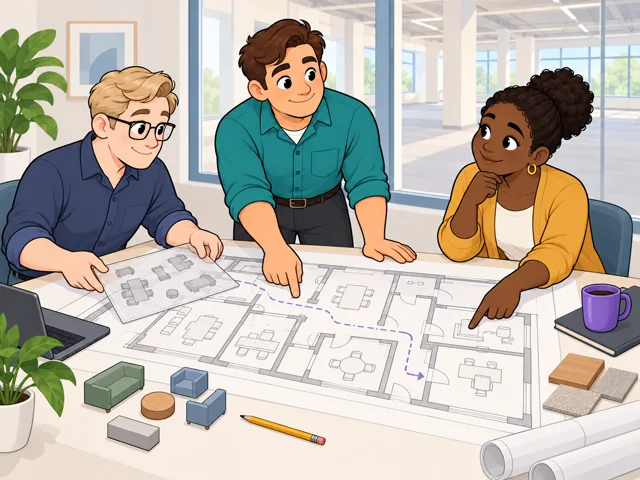
Study the remodel's floor plan with the designers and discuss whether the proposed rooms and equipment suit occupants.
United States · 2025
United States · May 2025
United States · 2025–2035
Quick orientation
A bachelor's degree and related experience are typical; some employers accept other preparation.
National median; equivalent to $51.28/hour.
About 14,200 openings annually, on average, during 2025–2035.
In buildings with connected energy software, equipment data can flag performance problems and trigger work orders.
You still connect an alert to action: choose who will investigate, coordinate the response, and check that the issue is resolved.
How far software can take over maintenance planning depends on reliable equipment data and connections between systems. Some buildings will still need much more manual investigation.
Pay in context
The median describes the middle of employee wages, not starting pay.
The lowest-paid 10% earned below $64,480 annually; the highest-paid 10% earned above $176,120. These are wage percentiles, not career stages.
Annual medians were $129,620 in manufacturing, $100,780 in educational services, and $98,190 in healthcare and social assistance.
The projection includes about 14,200 openings per year, compared with about 7,600 net additional jobs across the whole decade. Openings also reflect workers leaving the occupation.
This is usually a job you reach through related work experience.
After entry
This starts where the entry routes leave off: early work, growing capability, and advancement or specialization.
Get familiar with equipment records, open work orders, and the people who report problems. Learn how your site schedules and tracks repairs.
Take ownership of a preventive maintenance program. Check completed repairs and use what you find to improve the next round of work.
Aim toward an assistant director role overseeing more teams, or deepen your expertise in planning major equipment upgrades.
Coordinate trades crews across academic and residential buildings. You move between office planning and site checks, with emergency calls when essential services fail.
Pools and playing fields add specialized equipment and outdoor upkeep. You may supervise student employees and arrange maintenance around events, evenings, and weekends.
Try it
Make a pretend work-order list for a school building: a leaking roof, a flickering classroom light, and a request to repaint a hallway. Rank them, list the questions you would ask before scheduling work, and draft a short update for building users. Notice whether you enjoy making priorities and explaining them.
Stay safe: Keep this a paper exercise; do not inspect roofs or touch electrical equipment.