
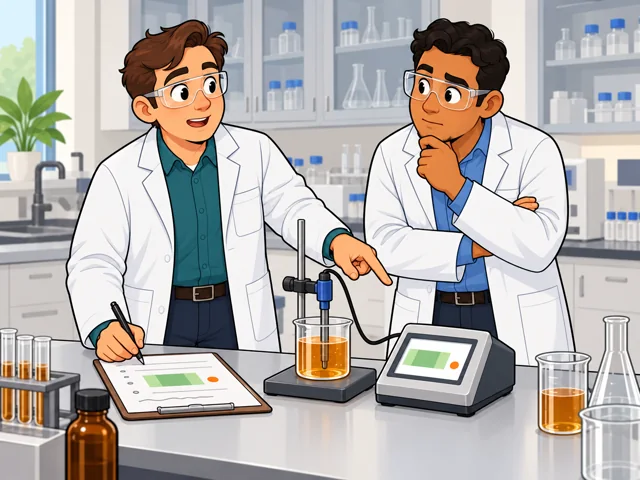
Check a drink's acidity
Take a drink sample's acidity reading, then log any number outside its allowed range and tell your supervisor.
Career profile
Food science technicians test foods and drinks for uniformity and help food scientists improve them.
Two batches of sauce can look the same and still behave differently. Your work helps turn that gap into numbers a product developer can use.
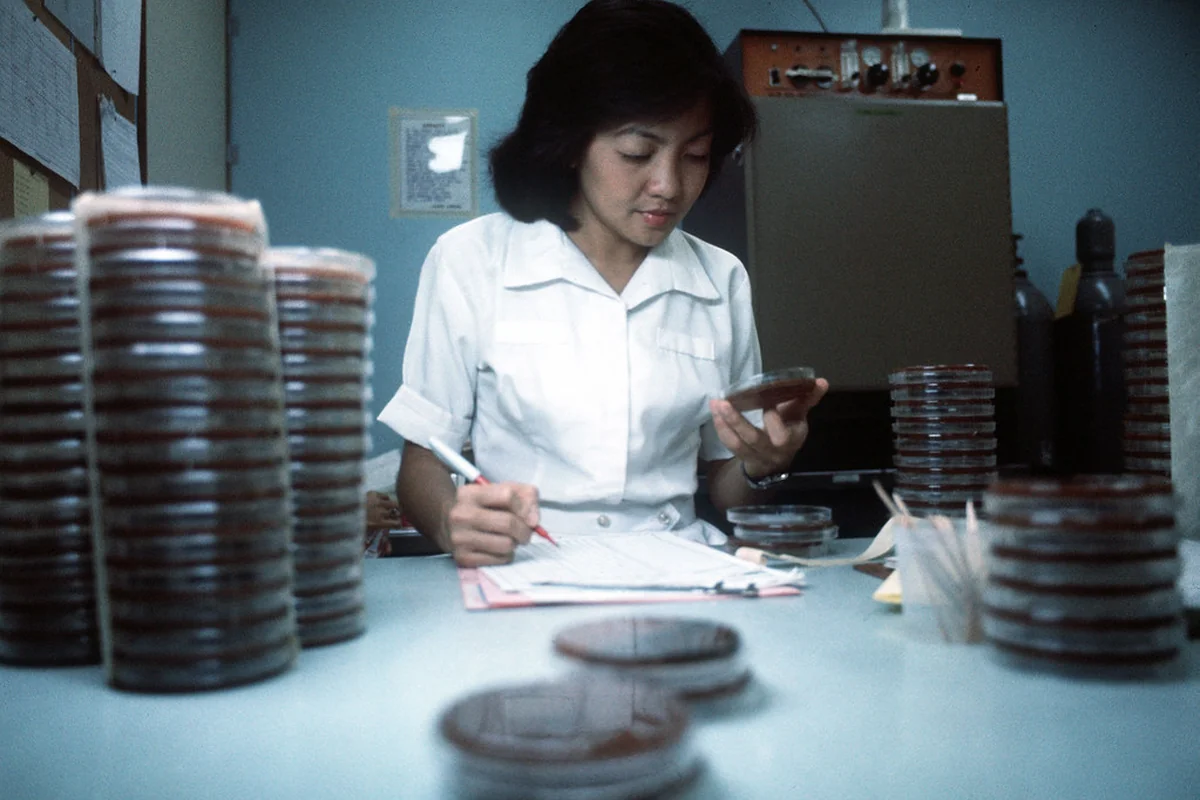
Take a drink sample's acidity reading, then log any number outside its allowed range and tell your supervisor.
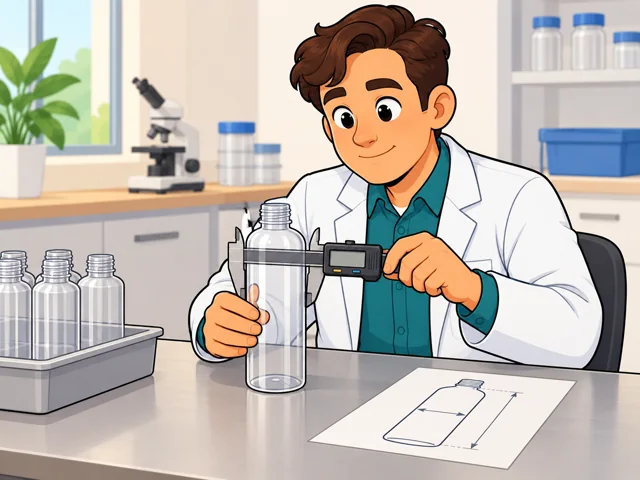
Test a bottle or can against its required size or strength, because packaging gets checked, not just food.
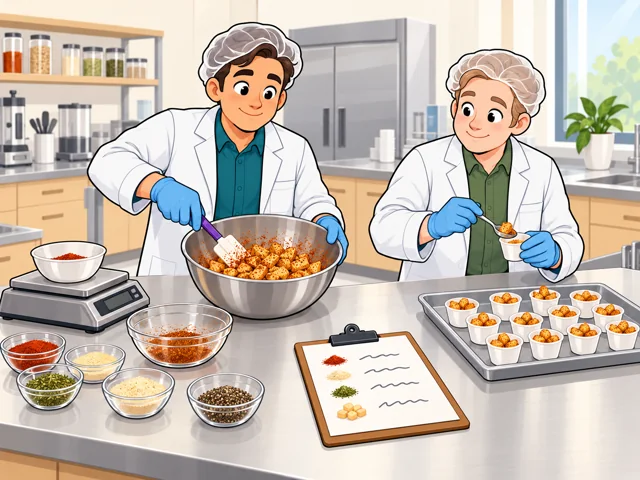
In a development lab, blend a formula's ingredients, season the food, and prep samples for a tasting panel.
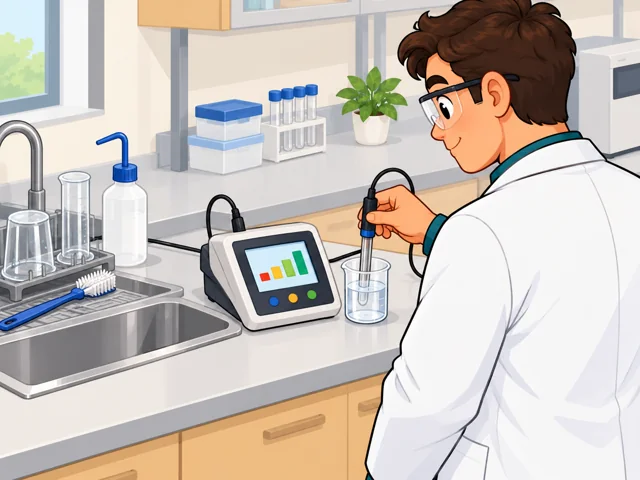
Clean the lab instruments and confirm each one is calibrated so you can trust later readings.
United States · 2025
United States · May 2025
United States · 2025–2035
Quick orientation
Entry requirements vary by employer.
National median for food science technicians; about $25.06 an hour.
About 3,000 openings per year, on average, over 2025–2035.
Spreadsheets and formula databases help organize results and recipes, making comparisons easier.
You still prepare samples, check unusual results, and explain problems to production staff or scientists.
How much of a test can become automatic will depend on the product and method; handling samples and judging unexpected results may change at different speeds.
Pay in context
The national median is a midpoint, not a starting offer.
In May 2025, the lowest-paid 10% earned under $39,820 annually; the highest-paid 10% earned over $78,820. These are wage groups, not career stages.
Annual medians were $63,270 in beverage and tobacco manufacturing, $50,610 in professional, scientific, and technical services, and $50,590 in food manufacturing.
The projected 3,000 annual openings include growth and workers leaving the occupation. They are not 3,000 newly created jobs each year.
Employers set different entry requirements.
After entry
This starts where the entry routes leave off: early work, growing capability, and advancement or specialization.
After hiring, practice sampling, equipment use, and sanitation alongside an experienced technician or scientist.
Build confidence comparing ingredient and finished-product results, then explaining failures to the people running production.
An experienced development technician may plan laboratory project work and oversee factory trial batches, connecting a small test to production.
Testing follows production: ingredients, partly finished batches, and packaged products arrive for checks. You stay in contact with production departments, with some work taking you into noisy or cold areas.
Work follows projects: prepare trial formulas and evaluation samples with product developers. Some roles include visits to the factory to support trial batches.
Try it
Measure the width of ten crackers from one package with a ruler. Record each result, calculate the average and range, and write a two-sentence report on consistency. Notice whether careful repetition and explaining variation hold your interest.
Stay safe: This explores measurement, not whether a food is safe to eat.