
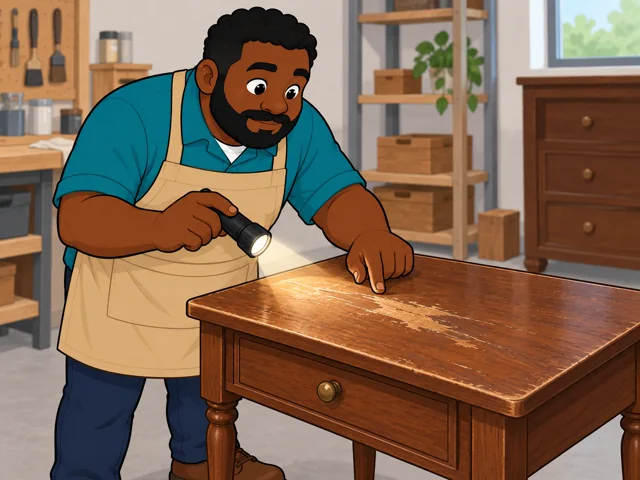
Size up scratches and wear
Study a damaged piece closely, spotting each scratch and worn patch, to decide which repairs it needs.
Career profile
Furniture finishers coat newly built furniture or restore the worn finish on older pieces.
Which shade, which protective coat, which repairs? Your calls on all three decide how the wood looks when the piece is done.
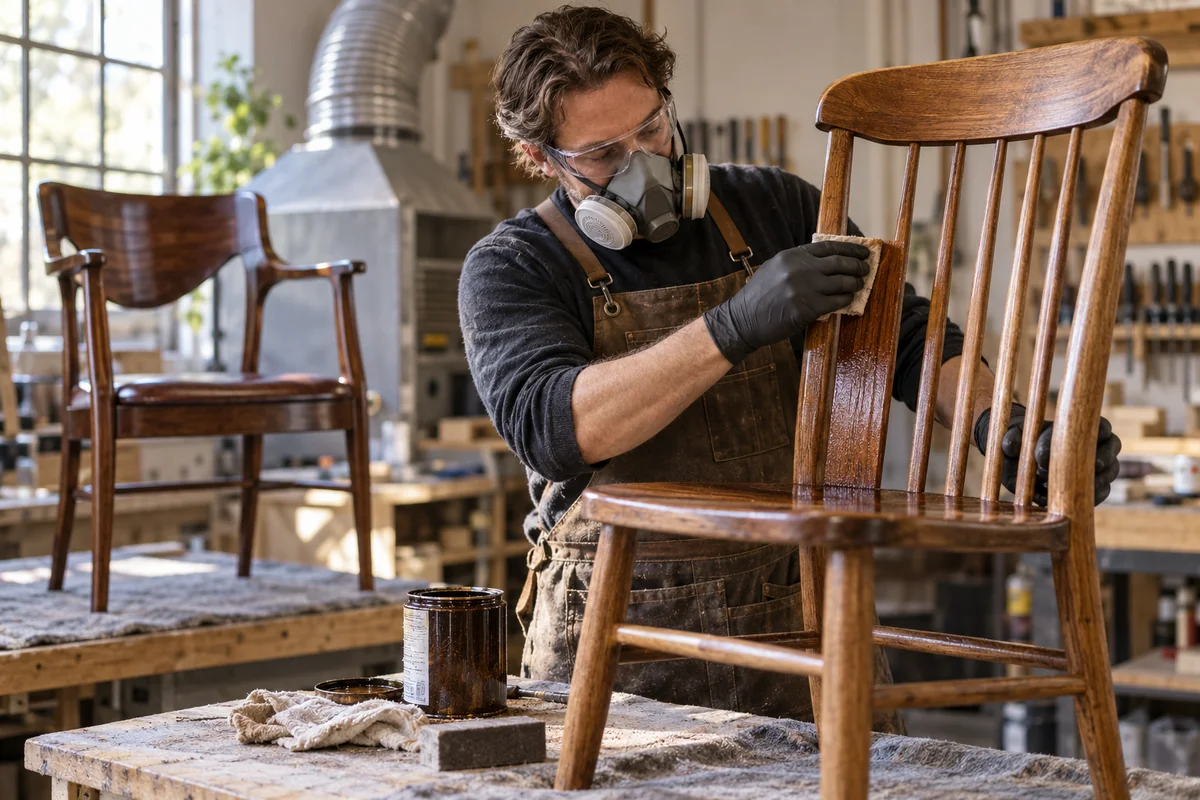
Study a damaged piece closely, spotting each scratch and worn patch, to decide which repairs it needs.
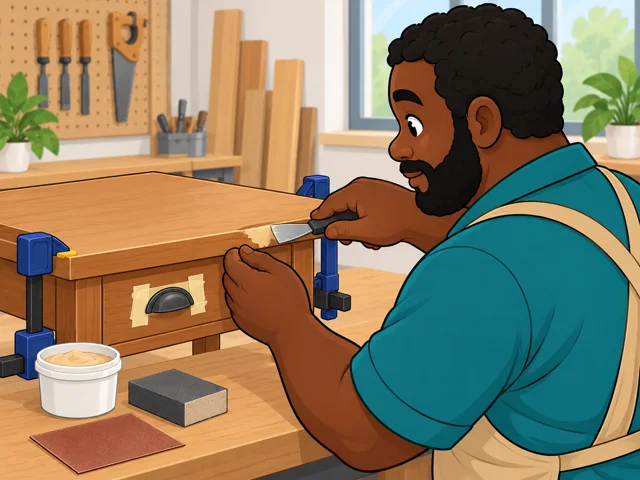
Cover the parts meant to stay untouched, press wood putty into dents, and sand rough spots with sandpaper.

Blend the finishing ingredients and adjust the shade if it does not match the requested color.
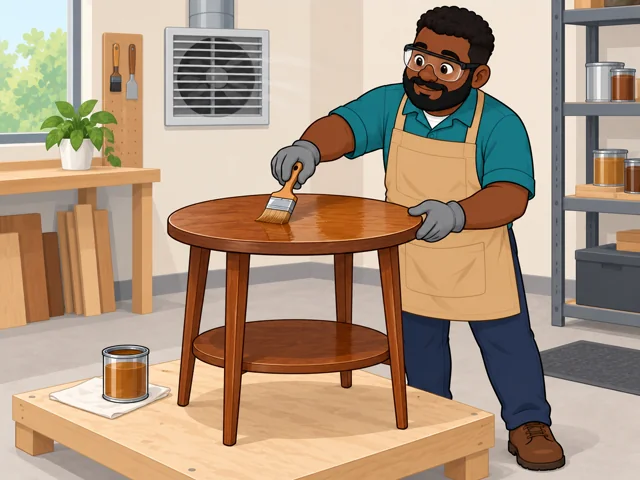
You stain, seal, and top-coat the furniture, though in equipped factories spraying robots can do the coating passes.
United States · 2025–2035
United States · May 2025
United States · 2025–2035
Quick orientation
Typical entry combines a high school diploma or equivalent with short-term training on the job.
National median for furniture finishers; $21.41 an hour.
About 1,500 openings a year are projected despite declining total employment.
Some factory systems scan furniture parts and automatically plan a robot's spray path, including around different shapes.
Restoring an existing piece still involves deciding what to preserve and how to repair it.
How much hands-on spraying shifts to machine setup and checking will depend on the shop's equipment and mix of pieces.
Pay in context
Use the national median as a reference point when comparing offers.
The May 2025 median was $44,540 a year, or $21.41 an hour. Half of furniture finishers earned more and half earned less; this is not a starting-pay promise.
In May 2025, the 10th-percentile annual wage was $32,160 and the 90th-percentile wage was $61,020. These are wage percentiles, not starting and senior salaries.
Furniture finishers in furniture and related product manufacturing had a 2025 median of $43,220 a year, or $20.78 an hour—below the occupation's national median across industries.
Employment is projected to fall 3.5% from 2025 to 2035, with about 1,500 openings annually on average. Openings include replacing people who leave the occupation.
A high school diploma or equivalent is the typical starting point. Employers teach the work on the job.
After entry
This starts where the entry routes leave off: early work, growing capability, and advancement or specialization.
Make surface preparation consistent before tackling harder repairs.
Develop your color matching across different woods and finishes.
Develop the judgment to repair antiques while preserving their existing character.
You work at the staining, sealing and top-coating end of production. Some factories use conveyor-fed robotic coating systems.
Existing wear shapes the job. With antiques, deciding what to preserve matters before refinishing begins.
You travel to customers' homes, explain repairs and work on furniture in place. Some teams combine refinishing with upholstery and mechanism repairs.
Try it
Examine a wooden chair or table you already have. Sketch where its color, shine or wear changes, then describe the result you would want from a repair. Notice whether this close looking holds your attention.
Stay safe: Keep this observational: do not sand, strip or apply chemicals.