

Hunt sources for your question
Search an archive catalog for letters or newspaper stories about a place, listing promising ones to examine later.
Career profile
Historians build accounts of the past that stay within what the evidence supports.
When two reports of one event clash, you dig into who made each, check more documents, and explain the likely story and what remains unsettled.
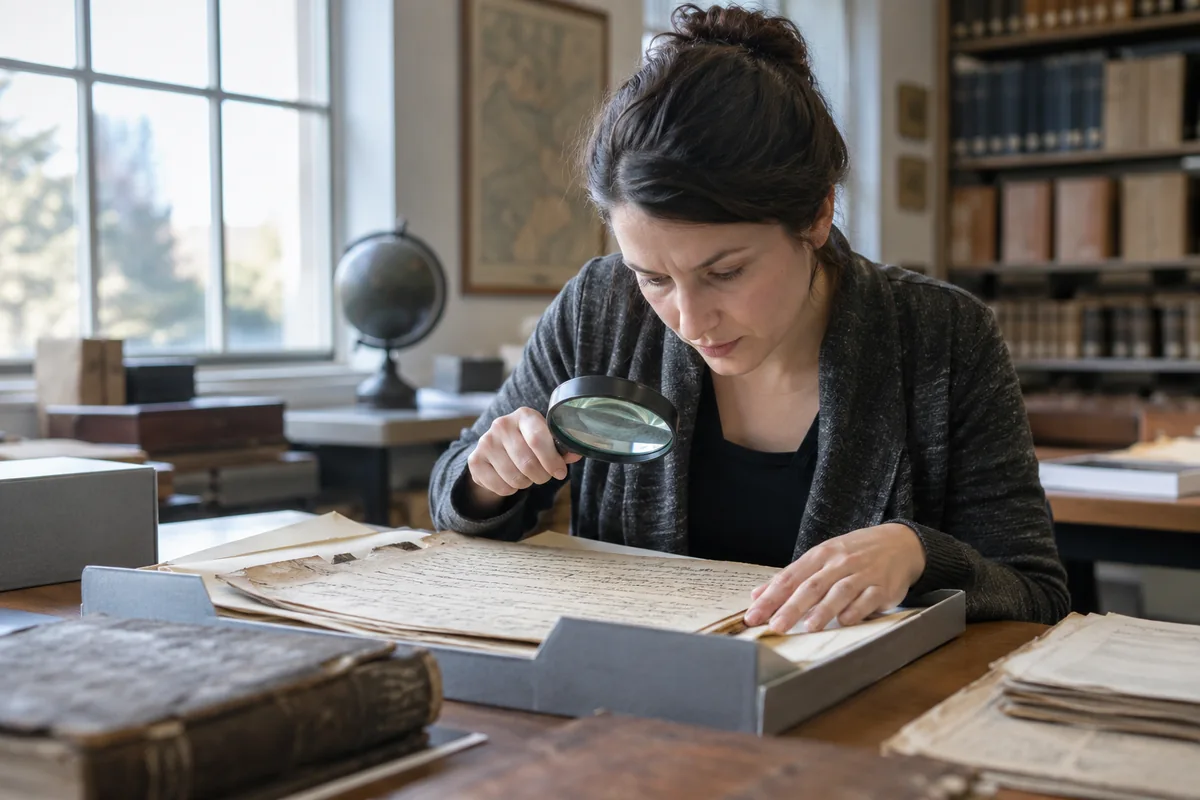
Search an archive catalog for letters or newspaper stories about a place, listing promising ones to examine later.
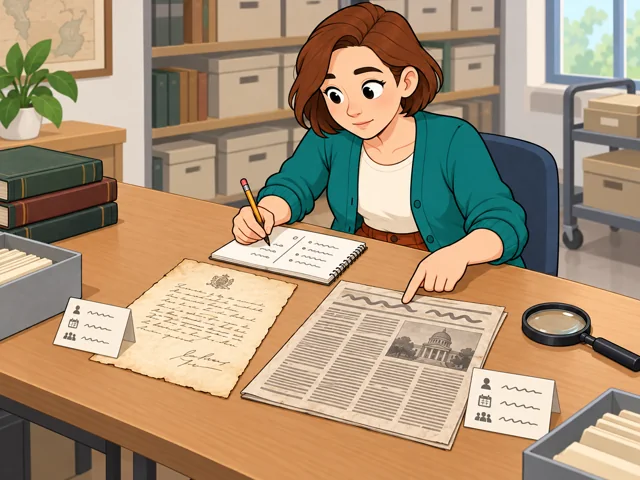
Check when each was made, who wrote it, and for whom, before deciding how far to trust either.
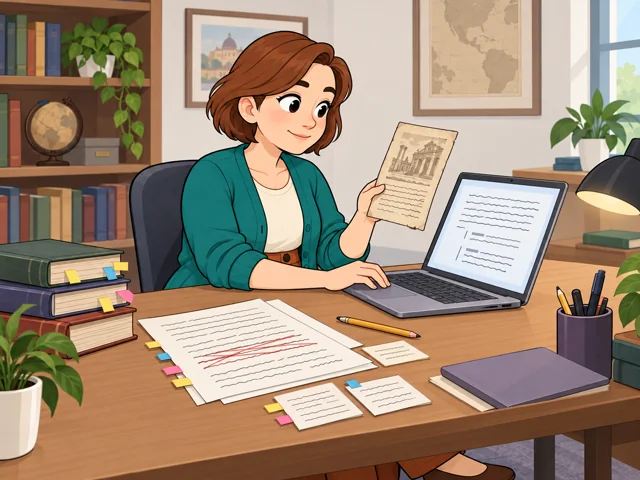
Cite specific documents for each point so readers can check, and revise a conclusion another source undercuts.
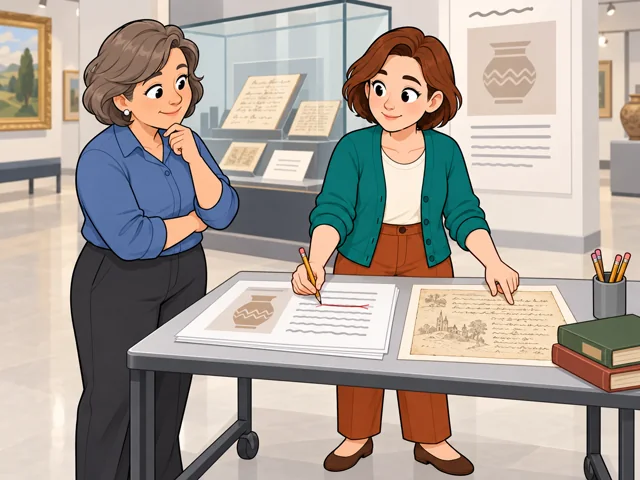
In public-history jobs, read exhibit labels or tour scripts and fix any statement the record cannot support.
United States · 2025–2035
United States · May 2025
United States · 2025–2035
Quick orientation
Typical entry preparation; requirements vary by position.
National median for historians, equivalent to $36.90 an hour.
About 300 openings a year are projected nationally, including replacement openings.
Searchable catalogs and text-search tools help you locate material across large collections.
You still need to judge context and test an interpretation against evidence. Text produced by artificial intelligence (AI) can contain convincing errors.
How much AI will take over searching and drafting remains unsettled. Access to undigitized records and the need to verify results can limit what these tools accomplish.
Pay in context
Use the national figures as a reference when comparing actual offers.
Historians had a median wage of $76,750 a year, or $36.90 an hour. The 10th-percentile annual wage was $42,730; the 90th-percentile wage was $131,810. These describe the wage distribution, not starting and senior salaries.
Employment is projected to grow 3%, with about 300 openings annually from growth and replacement. Funding for government agencies and historical organizations can affect opportunities.
Graduate study is the usual route, but some positions accept bachelor's-level preparation.
After entry
This starts where the entry routes leave off: early work, growing capability, and advancement or specialization.
Keep research notes that let a colleague retrace your sources and understand how you reached a conclusion.
Develop oral-history interviewing skills. In park history work, interviews can document experiences missing from written records.
A possible next step is leading a history program, reviewing other historians' work, and guiding preservation research across several sites.
Your research reaches visitors through exhibits and programs, alongside curators and other museum staff. Public opening hours may mean evening or weekend work.
Your reports help park staff plan interpretation and evaluate historic places. You work with park and regional colleagues on preservation questions, often through an office-based history program.
Try it
Choose two historical accounts of the same event from materials you can access. Note who made each, when, and for whom. Write 150 words explaining one agreement, one conflict, and what evidence you would seek next. Notice whether investigating the disagreement interests you.