
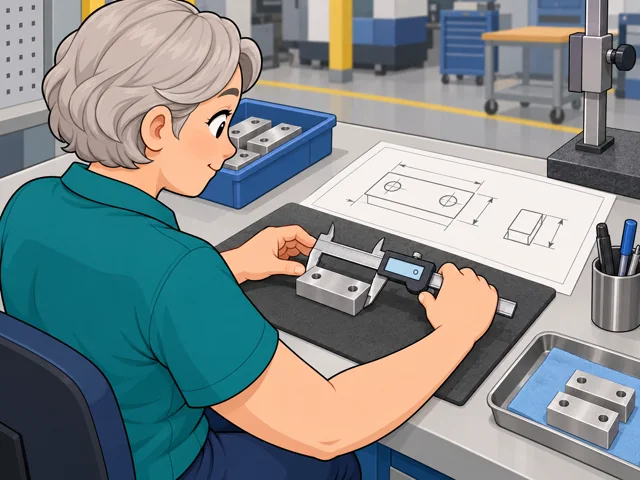
Check sizes against the drawing
Read the sizes the drawing allows, then check the part with calipers or a micrometer.
Career profile
Inspectors check factory-made parts and finished products against the standards each one must meet.
A metal part can look right and still be the wrong size, and you are the one who catches it before it moves on.
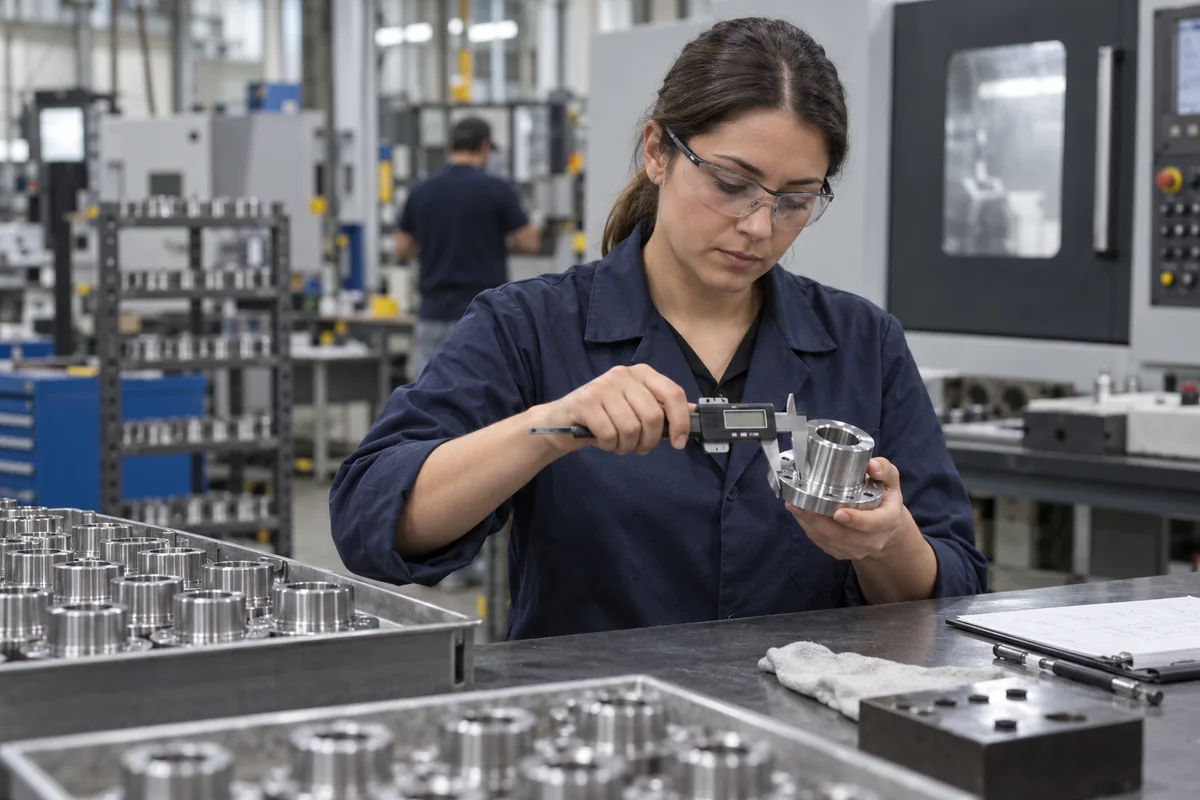
Read the sizes the drawing allows, then check the part with calipers or a micrometer.
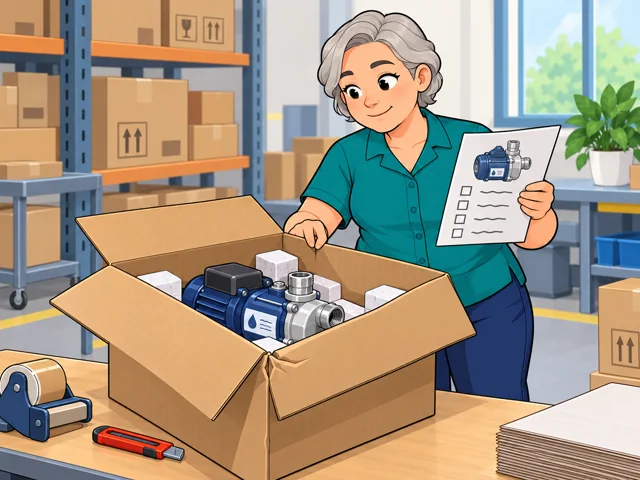
Check finished products for missing components, wrong labels or damaged packaging, and match each to its build sheet.
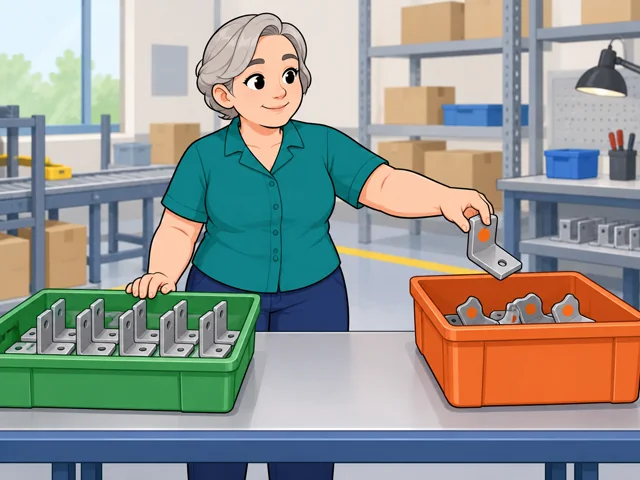
Mark every item that fails and set it apart so it never gets mixed in with good ones.
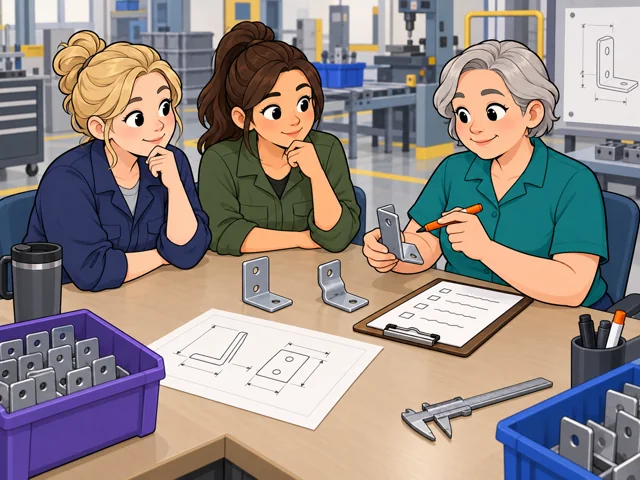
Record the mismatch in an inspection report, then fix it alongside engineering and production, showing production what failed.
United States
United States · May 2025
United States · 2025–2035
Quick orientation
A diploma or equivalent is the typical starting qualification.
About $23.35 an hour nationally.
About 66,700 openings annually, including replacement openings.
Scanners and camera systems can measure parts or flag defects faster.
You still explain discrepancies and help production and engineering resolve them.
How far automated checks can take over depends partly on recognizing unfamiliar defects. In metal-casting images, rare flaws and varied appearances make that difficult.
Pay in context
The national median is $48,570 a year, or $23.35 an hour. It is not a starting-pay promise.
The lowest-paid 10% earned below $35,510; the highest-paid 10% earned above $77,860. These are wage percentiles, not career stages.
Annual medians were $52,350 in professional, scientific, and technical services; $49,270 in manufacturing; $47,190 in wholesale trade; and $37,380 in administrative and support services.
Employment is projected to grow 2.5% during 2025–2035. The 66,700 average annual openings include replacements, so they are not all newly created positions.
You can enter through employer training or build manufacturing skills in school first.
After entry
This starts where the entry routes leave off: early work, growing capability, and advancement or specialization.
Learn to connect each drawing requirement to a measurement you can repeat reliably.
Build skill in interpreting complex drawing requirements and setting up parts on advanced measuring equipment.
Specialize in operating and programming a coordinate measuring machine, which measures a part’s geometry.
Drawings and precision instruments guide your checks. You work with engineering on discrepancies and may move around large assemblies to inspect them.
Your checkpoint comes before shipment. Build sheets, customer orders, labels, and packaging requirements matter alongside the condition of the product itself.
Try it
Gather several paper strips and a ruler. Set an acceptable length range before measuring, then record each length and mark pass or fail. Measure again: do your decisions stay consistent, and do you enjoy finding and explaining differences?