
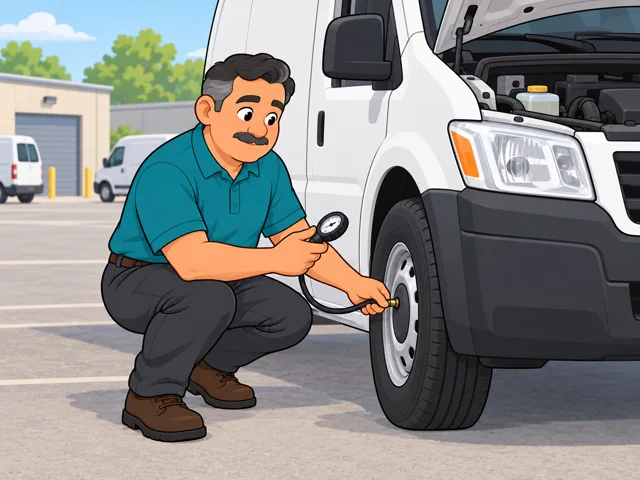
Inspect the van before leaving
You check the tires, lights and fluids and report any mechanical problem before you start the route.
Career profile
Light truck drivers take packages and goods to homes and businesses by van or truck.
Your day swings between the driver's seat and customers' doors. Every stop means grabbing the right package and getting it to the right place.
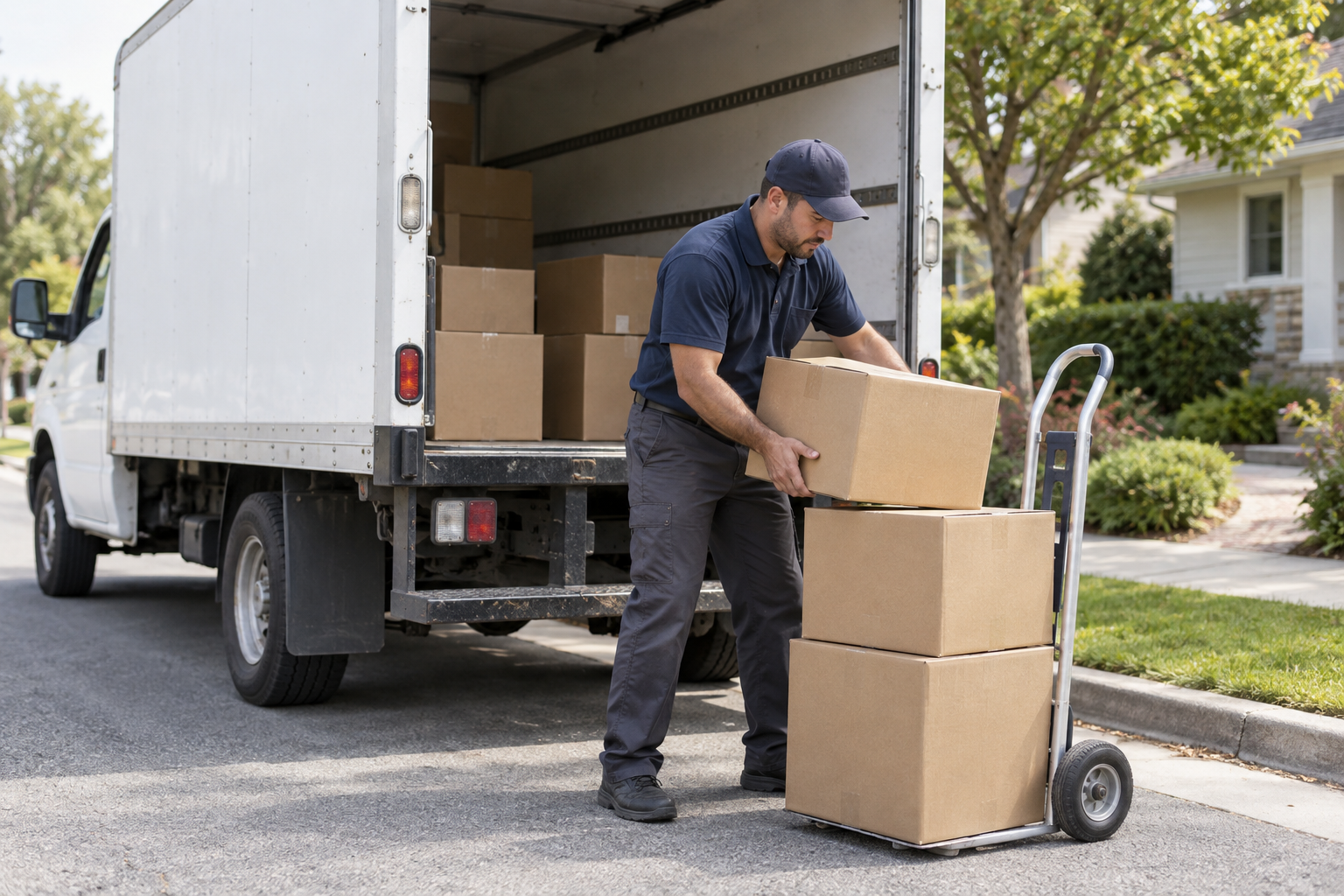
You check the tires, lights and fluids and report any mechanical problem before you start the route.
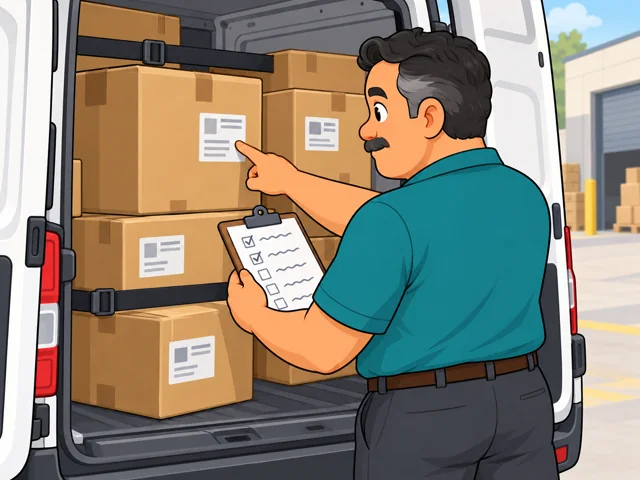
Compare the packages on board with the shipping papers so you carry exactly what your planned deliveries need.
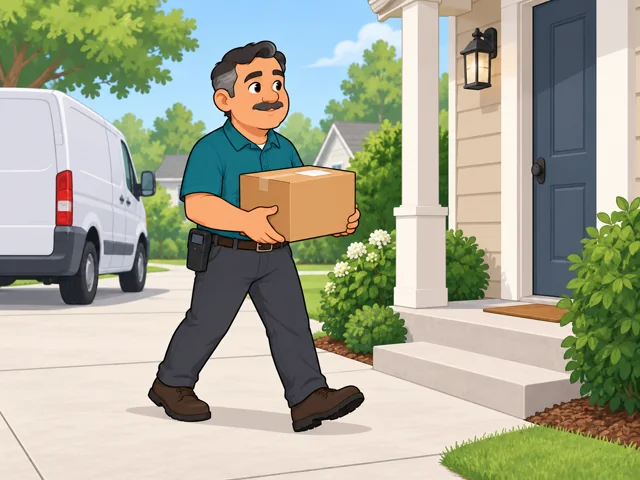
Follow the delivery device, then carry the package up the stairs or driveway to the recipient.
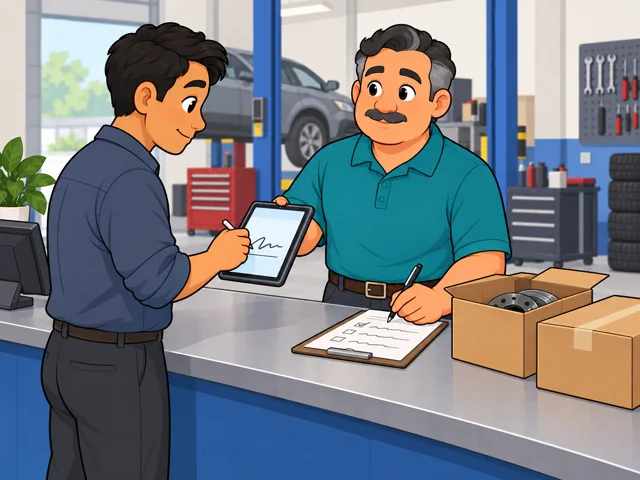
On some parts routes you collect the customer's signature on a handheld and list returns on a slip.
United States · 2025
United States · May 2025
United States · 2025–2035
Quick orientation
A high school diploma or equivalent is typical, followed by short-term training on the job.
National median for light truck drivers; about $21.57 an hour.
Light truck driver employment is projected to grow nationally over the decade.
Amazon has developed cameras and lights that identify which packages belong at a stop. Tools like these can reduce searching inside a crowded van.
You still move the parcel from the vehicle to the customer and pay attention to the surroundings along the way.
How much package sorting and checking these tools will take over—and how that changes the pace of a route—remains unsettled.
Pay in context
These national employee wages exclude self-employed earnings.
The median was $44,860 a year, or $21.57 an hour. The lowest 10% earned below $30,800; the highest 10% earned above $80,310. Those are wage percentiles, not beginner and experienced pay rates.
Annual medians were $47,700 in couriers and messengers, $44,740 in wholesale trade, and $34,350 in retail trade.
About 107,200 openings are projected per year, on average, alongside 6.3% employment growth. Openings include replacing workers who leave the occupation, not just added positions.
You need a driver's license and a clean driving record. Check each job's age, driving-experience, and vehicle requirements before applying.
After entry
This starts where the entry routes leave off: early work, growing capability, and advancement or specialization.
Use mentor feedback to make vehicle checks, trip planning, and safe delivery habits consistent from one shift to the next.
Get better at handling returns and changing delivery situations. When a customer has a problem you cannot resolve, give the store manager clear details.
Driver-trainer roles can be a next step: lead classes, ride along, and give practical feedback. Build teaching and communication skills as well as driving experience.
You may work for a local contractor delivering Amazon packages, using its van and delivery device. Much of the shift is out on the route, with repeated walks to homes and businesses.
You deliver parts to repair businesses and bring returns back. Between trips, the job may include stocking shelves or helping customers inside the store.
Try it
Label six empty boxes with fictional addresses and draw a small street map. Plan the delivery order and arrange the boxes for it. Then mark one street closed and revise your plan. Notice whether you enjoy matching details while keeping the next stop in mind.
Stay safe: Keep this a tabletop exercise; no driving or heavy lifting is needed.