
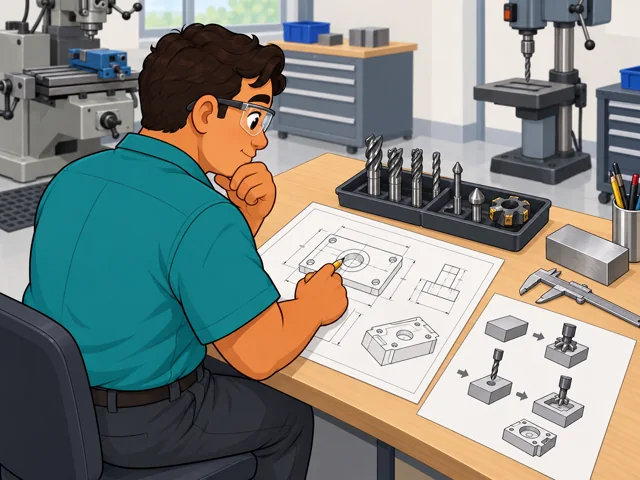
Plan the job from the drawing
Go through the upcoming job order, pulling sizes, tools and the order of machines from its drawing.
Career profile
Machine tool setters run different cutting and forming machines that shape metal or plastic parts.
One shift can move you from a lathe to a grinder, and you make sure each machining step leaves the part ready for what follows.
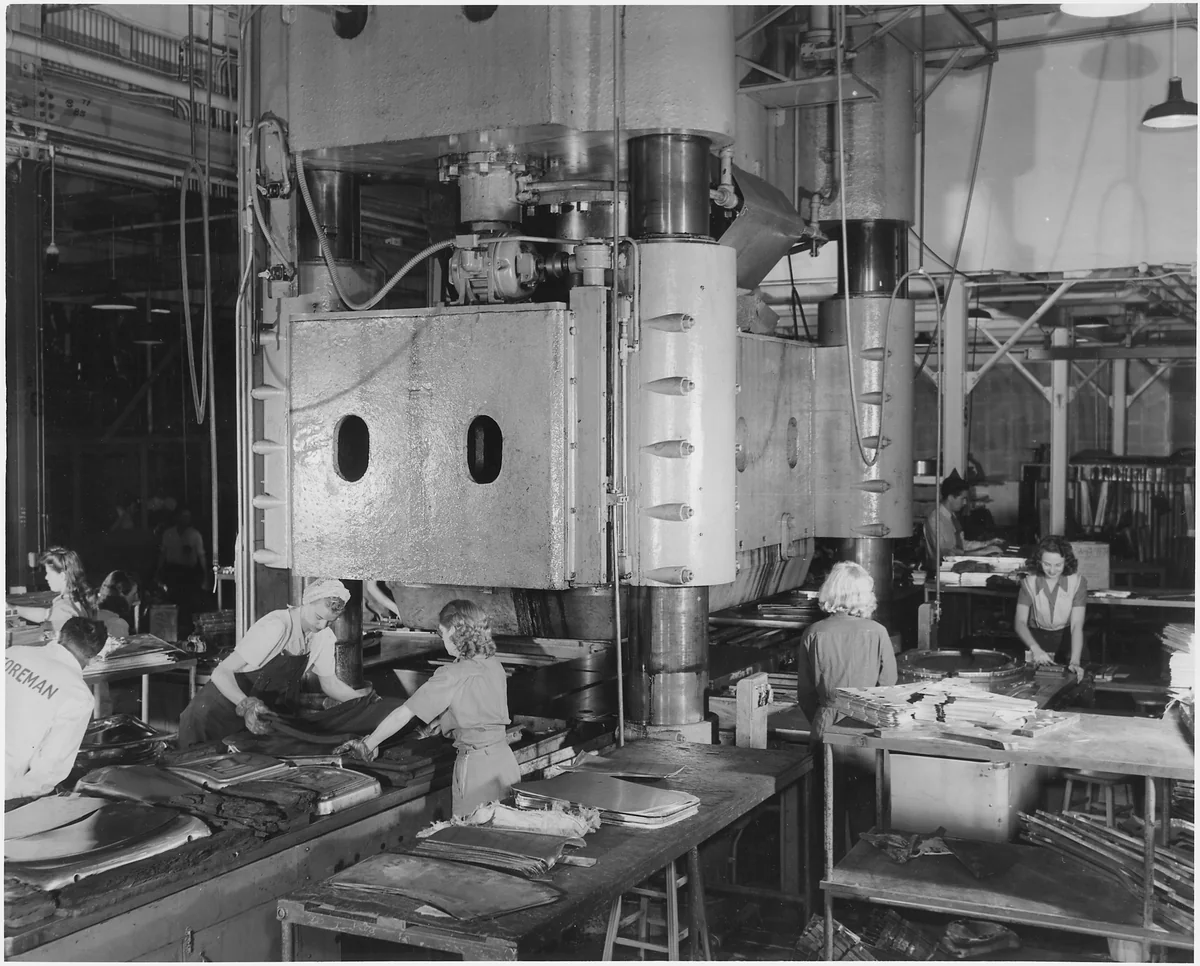
Go through the upcoming job order, pulling sizes, tools and the order of machines from its drawing.
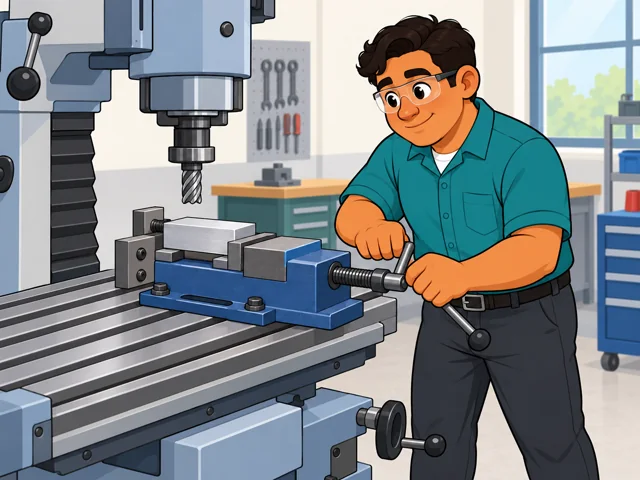
Mount the tooling, align the guides and clamp the stock firmly before you start a run.
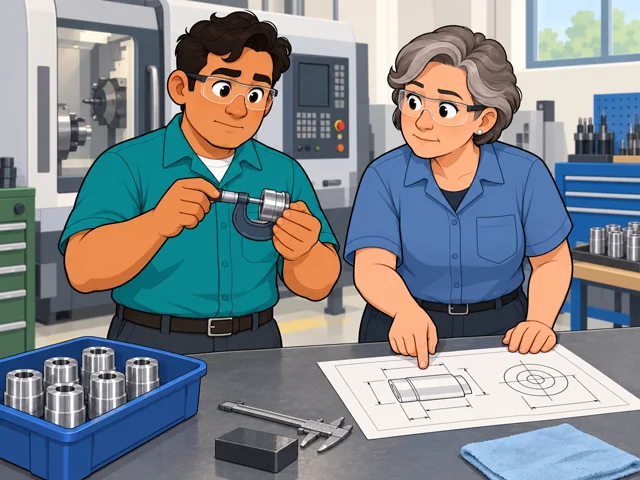
Measure the finished part by micrometer or digital caliper, then review the process if a size is off.
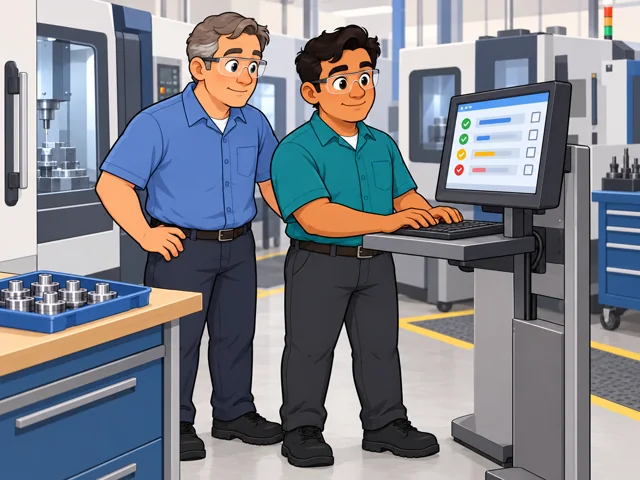
Type up the run in the plant's computer system so whoever takes over knows what went on.
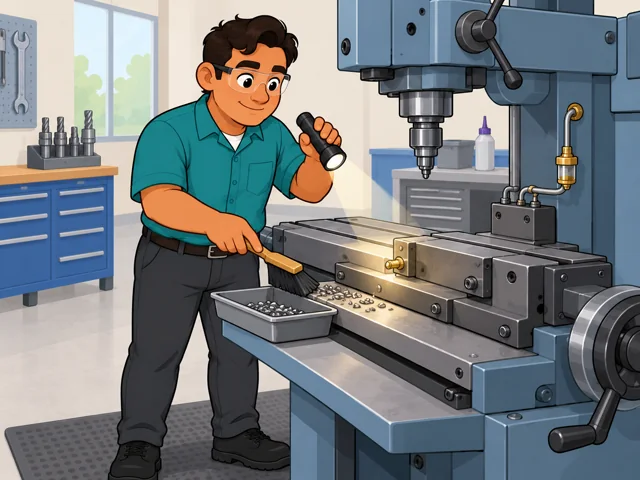
Inspect the machines for early signs of trouble, and clean them regularly to head off stoppages.
United States · 2025
United States · May 2025
United States · 2025–2035
Quick orientation
A high school diploma or equivalent is typical; you learn the equipment on the job.
National median pay, equivalent to $22.68 an hour.
Employment is projected to grow 0.6% from 2025 to 2035.
In some bearing plants, computers control machining and gauges check part dimensions.
Operators still investigate bad results and decide what needs correcting.
How much checking becomes automatic, and how much troubleshooting stays with you, will vary with the equipment a plant adopts.
Pay in context
Use the national median as a reference when comparing actual job offers.
The median is $47,180 a year, or $22.68 an hour. Half of workers earn more and half earn less; this is not a starting-pay promise.
About 11,600 openings are projected annually during 2025–2035, alongside 0.6% employment growth. Openings include replacement needs, not just newly created jobs.
In May 2025, the 10th-percentile wage was $17.20 an hour and the 90th-percentile wage was $35.79. These are wage percentiles, not starting and experienced pay rates.
In May 2023, workers in this occupation averaged $20.12 an hour in plastics product manufacturing and $22.03 in motor vehicle parts manufacturing. These are historical industry averages, not current offers.
Workplace training is the usual starting point. A machining program is another way to build the basics.
After entry
This starts where the entry routes leave off: early work, growing capability, and advancement or specialization.
Learn the machine's operating routine and check finished parts reliably.
Learn to replace tools and adjust cutting speed and material feed as your skills develop.
Build toward preparing machines for new jobs, with responsibility for tooling and settings.
You may work across computerized rolling, turning, and grinding equipment, using automated gauges to track the dimensions of bearings.
The equipment mix can include lathes, mills, shears, and forming presses. You check parts against drawings and record their progress toward assembly.
Try it
Draw a flat bracket with two holes and a bend. On paper, plan its trip through a cutting machine, drill, and forming press. Mark where you would check dimensions. Notice whether planning the sequence and catching errors appeals to you.
Stay safe: Keep this a paper exercise; operating shop machinery requires hands-on safety training.