
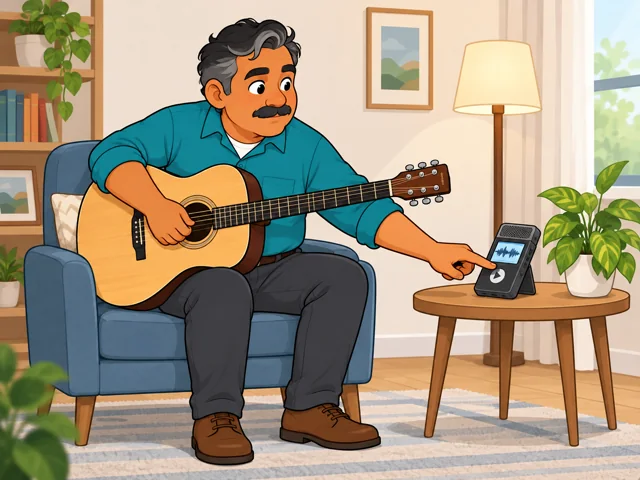
Drill the notes you miss
Repeat the notes you keep missing in a hard passage, then listen to a recording to judge progress.
Career profile
Musicians and singers play instruments or sing for live audiences and for recordings.
Shift the timing of a melody line, or stress a different note, and it lands differently. Performers turn those choices into what listeners hear.
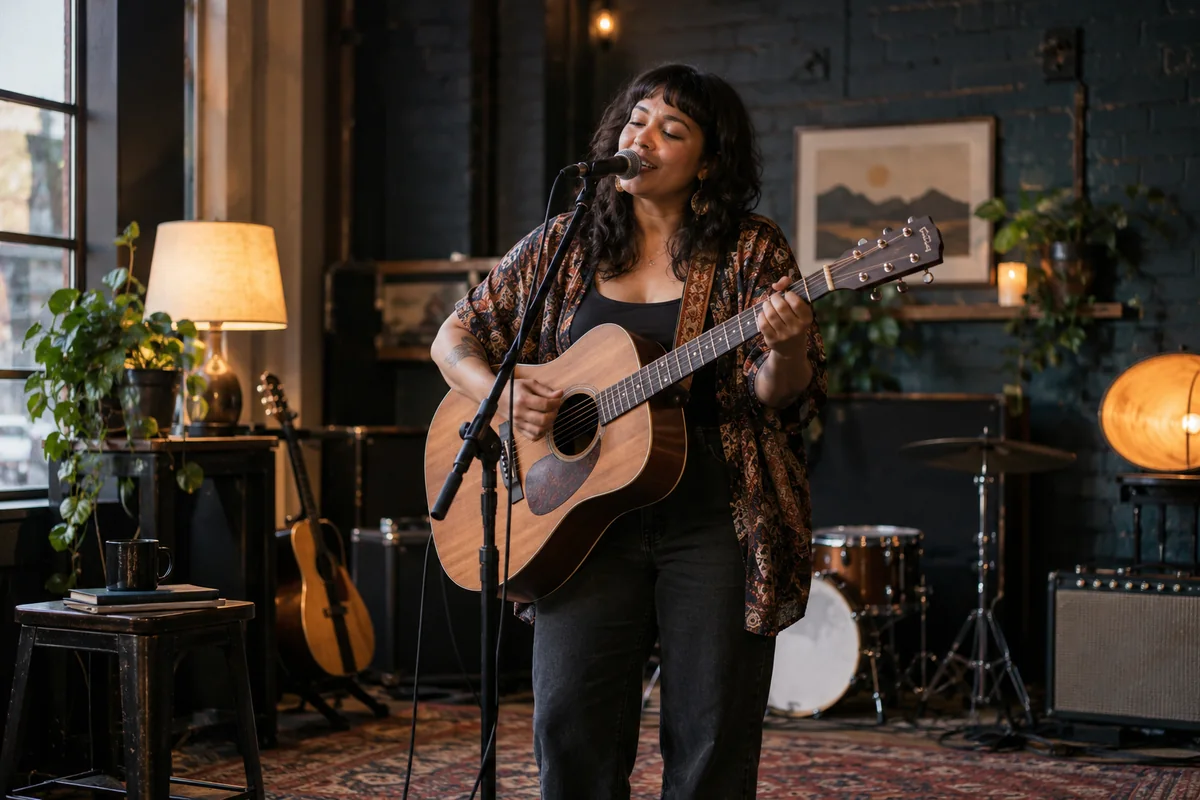
Repeat the notes you keep missing in a hard passage, then listen to a recording to judge progress.
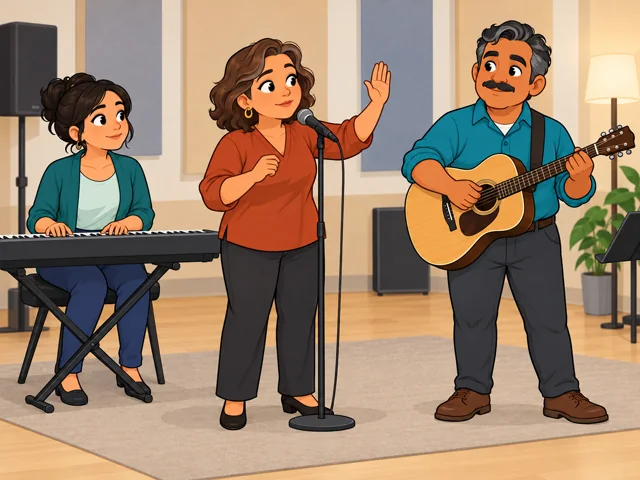
You rehearse with other players or singers, watching for signals so your starts and stops line up.
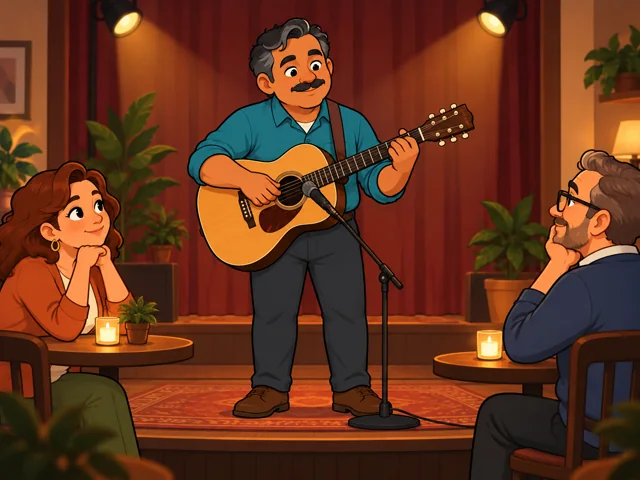
Onstage, you decide in the moment which notes of a phrase to soften and which to stress.
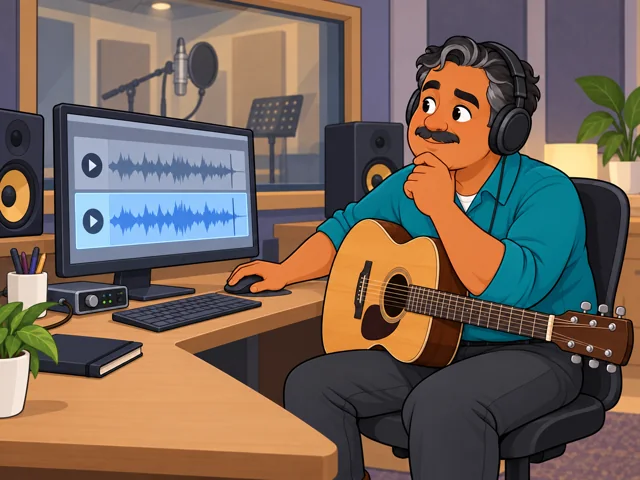
On recording jobs, sing or play the section again, then compare takes before choosing one to keep.

If you book your own shows, contact venues and advertise your upcoming performances to draw a crowd.
United States · 2025–2035
United States · May 2025
United States · 2025–2035
Quick orientation
No formal educational credential is typically required. Becoming ready for professional performances still takes substantial training.
May 2025 employee wages; self-employed performers are excluded. This is not a year-round income estimate.
Employment is projected to grow 0.3% from 2025 to 2035.
Recording software can store several takes and let you combine selected passages into one track. This is called comping.
You choose the phrasing and listen for how your sound fits the other performers.
Artificial intelligence can generate music with vocals and instruments. How much paid recording work it will replace—and how performers will be paid when their recordings train these tools—remains unsettled.
Pay in context
An hourly rate tells you only part of the story. Annual income also depends on how much paid work you secure.
The May 2025 median was $47.80 an hour. The 10th-percentile wage was $20.35 and the 90th-percentile wage was $132.56. These describe the wage distribution, not beginner and experienced pay levels.
In May 2023, hourly mean wages were $53.43 at performing arts companies, $58.92 at religious organizations, and $31.25 at colleges, universities, and professional schools. These older averages are distinct from the May 2025 national median.
Part-time and intermittent work are common. These wage figures exclude self-employed performers, so they cannot tell you what a freelance career will bring in.
About 17,400 openings a year are projected for 2025–2035, including replacement needs. Total employment is projected to grow just 0.3%; the openings are not all newly created jobs.
You can build performance skills through experience or formal music study. A degree is not a universal entry requirement.
After entry
This starts where the entry routes leave off: early work, growing capability, and advancement or specialization.
Learn your parts before rehearsal and respond carefully to the group's cues.
Expand your repertoire and strengthen sight-reading or learning by ear for your chosen style.
You might lead a group or become an orchestra section leader, helping other players prepare their parts.
You perform for an audience, with travel between engagements and rehearsals or shows outside ordinary daytime hours.
The focus is a recorded performance. You can repeat passages and listen back closely before choosing a take.
Try it
Record a short passage you already know on your voice or instrument. Listen back, choose one timing or phrasing change, and record it again. Compare the versions: do you enjoy the careful repetition as much as the finished sound?