
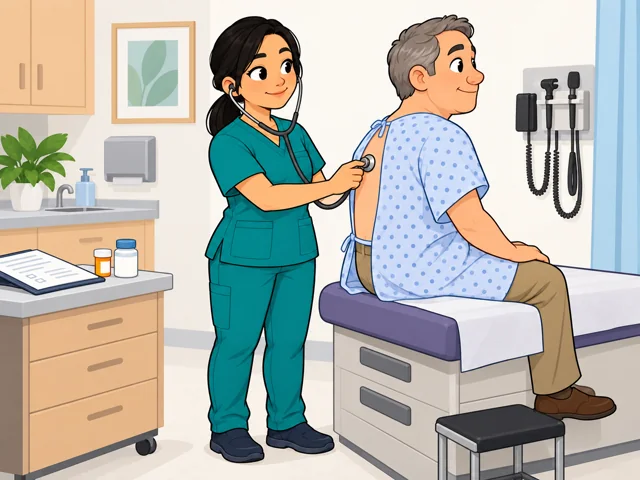
Narrow down the likely causes
Weigh the patient's history, symptoms, exam findings, current medicines and risk factors to find the likeliest causes.
Career profile
Nurse practitioners examine patients, diagnose new and ongoing illness, and plan how to treat it.
The toughest part is turning three clues into one safe next step: the patient's story, your exam, and the lab results.

Weigh the patient's history, symptoms, exam findings, current medicines and risk factors to find the likeliest causes.
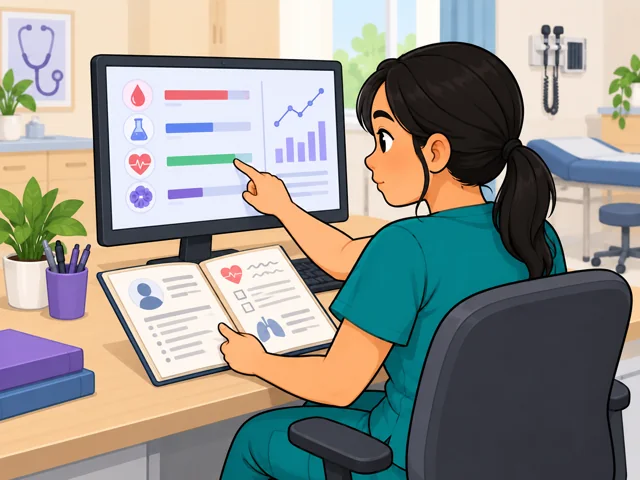
You order or run the right tests, then judge if results support your suspicion or suggest another cause.
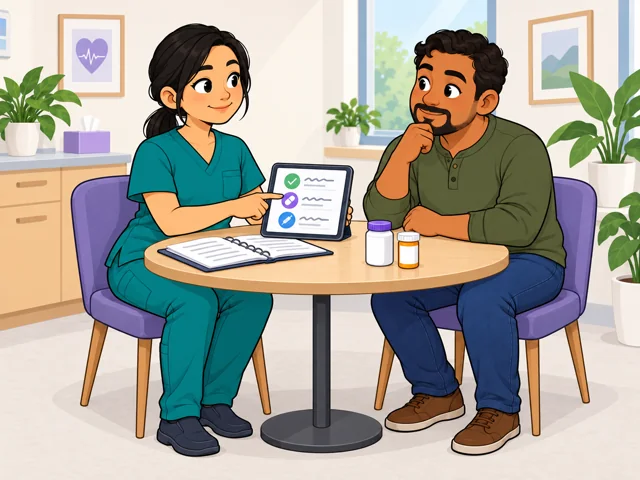
Compare each therapy's risks and likely benefits, and prescribe when state law and your employer allow it.
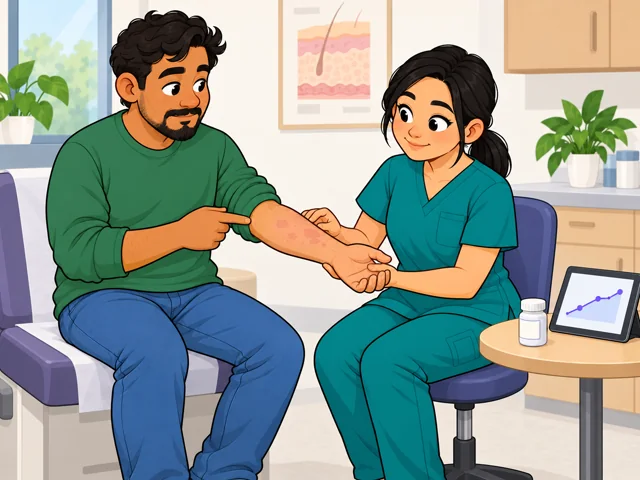
Track follow-up exams, labs, treatment response and side effects, then keep, change or stop parts of the plan.
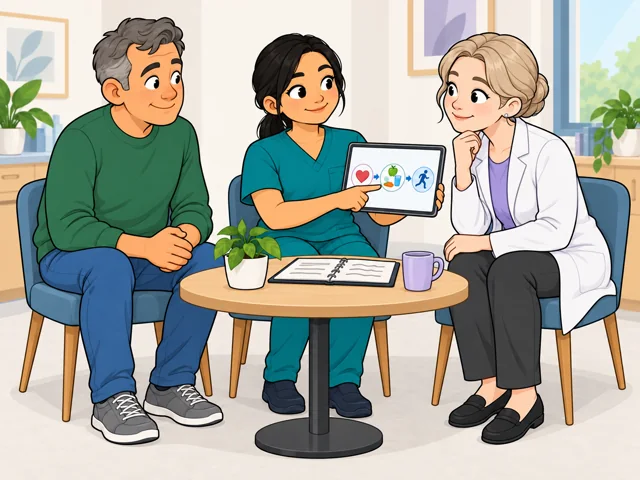
Make sure patients understand the plan, and involve another clinician for problems beyond your scope or skill.
United States
United States · May 2025
United States · 2025–2035
Quick orientation
You first need RN licensure, then graduate NP education, a national certification exam, and state APRN licensure.
National median annual wage for nurse practitioners.
BLS projects nurse practitioner employment to grow 41% nationally; this does not guarantee local openings.
Electronic health records and other medical software can support charting and the review of patient information.
The NP still leads the interview, examination, diagnosis, treatment choice, patient conversation, and decision to consult or refer.
Specific systems differ by employer, and current software listings do not establish how quickly new tools will spread or how capable they will become.
Pay in context
Use the national figure as a benchmark, not as a prediction of a particular job offer.
Nurse practitioners had a median annual wage of $132,300. Half earned more and half earned less. The median hourly wage was $63.61.
In May 2025, the 10th-percentile annual wage was $101,340 and the 90th-percentile wage was $174,420. These are wage percentiles, not starting and senior salaries.
There is no direct jump from high school—or from RN licensure alone—into NP practice. Each route must reach graduate APRN preparation, certification, and state authorization.
After entry
This starts where the entry routes leave off: early work, growing capability, and advancement or specialization.
Learn how your state scope, employer procedures, documentation system, consultation triggers, and referral process shape each patient decision.
Handle a wider range of acute and chronic problems within your population focus, interpret results, monitor treatment response, and sharpen when to refer.
Possible later directions include clinical or administrative leadership, teaching in academia, or doctoral-level research.
Visits often center on scheduled primary or specialty care, with assessment, diagnosis, prevention, treatment, and follow-up. Office-based APRNs typically work normal business hours, though employers differ.
Cases may be acute, complex, or unstable and require frequent coordination with other clinicians. Some roles include nights, weekends, holidays, shifts, or call.
Try it
Ask a health-science teacher for a fictional patient case. List two possible explanations for the symptoms, choose one follow-up question or test that would help separate them, and write when you would consult or refer. Notice whether weighing evidence and committing to a safe next step holds your attention.
Stay safe: Keep the case fictional and educational; do not diagnose, treat, or advise a real person.