
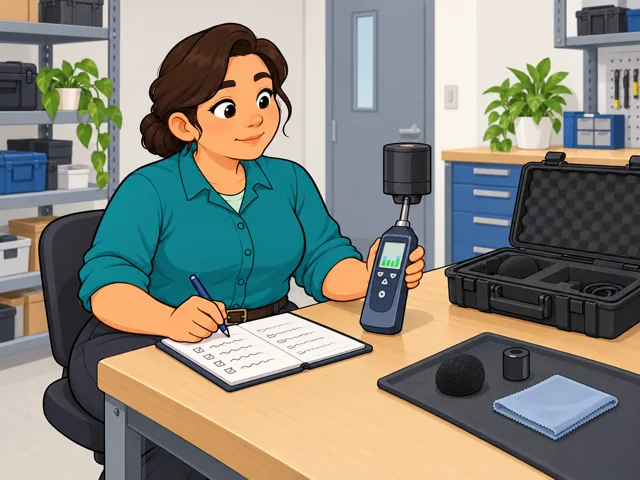
Calibrate your field instruments first
Calibrate your field instruments before you take any readings, then note their condition in the equipment log.
Career profile
Safety technicians measure hazards at work sites and help build safety programs into daily routines.
Numbers from your instruments become useful when you connect them to how workers really behave, giving the safety team proof it can act on.
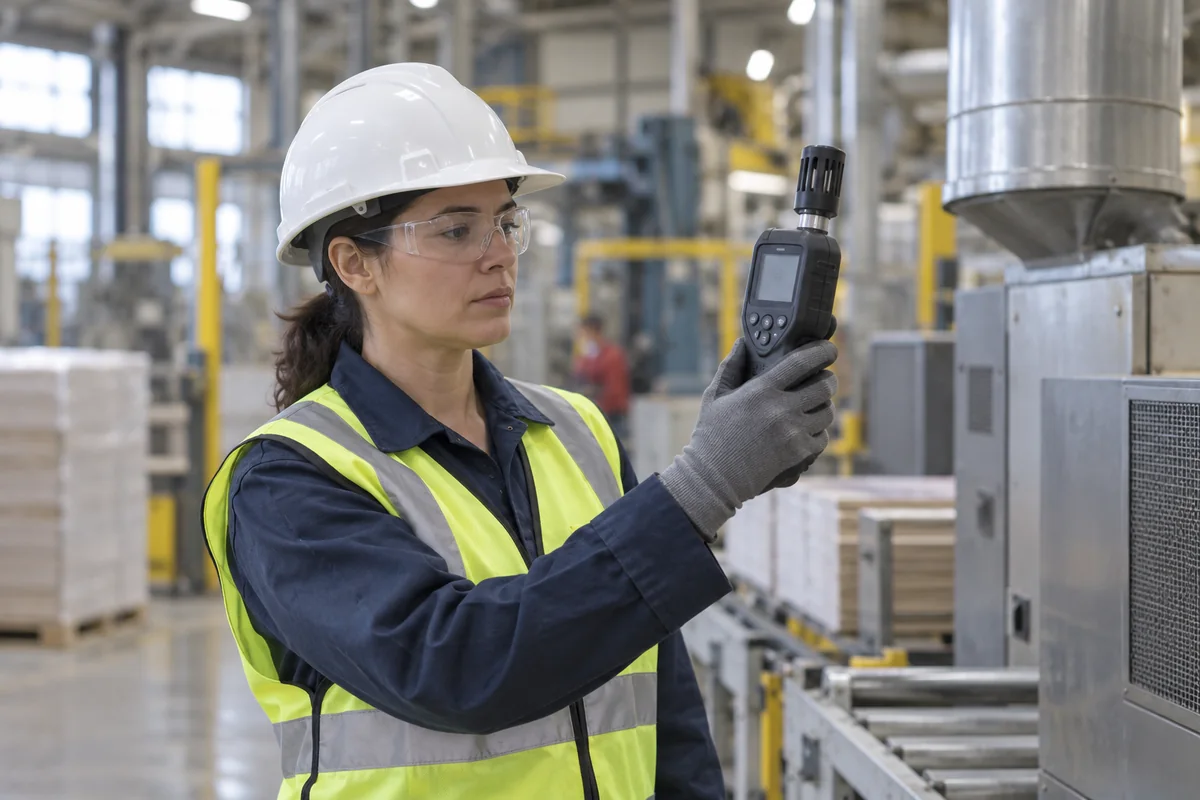
Calibrate your field instruments before you take any readings, then note their condition in the equipment log.
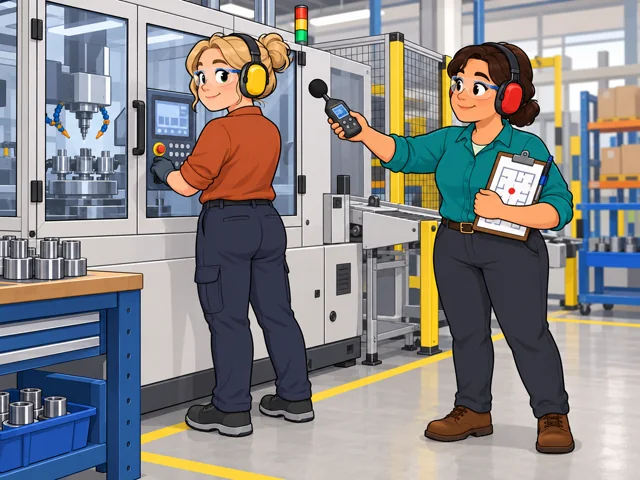
Take sound-level meter readings in work areas, marking each spot so the safety team can interpret them.
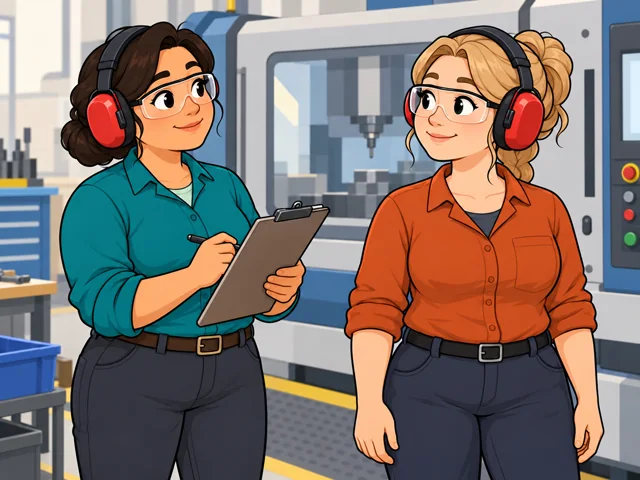
Make sure the required protective gear is on hand and that workers are actually wearing it.
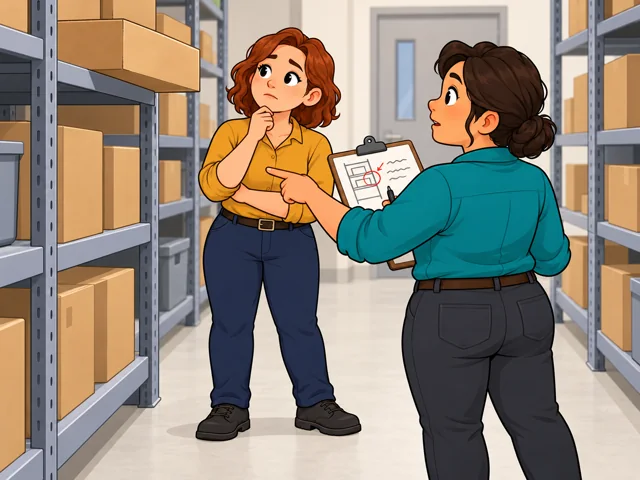
Record where shelving could let stored items fall, then explain the danger to the supervisor, who arranges repairs.
United States
United States · May 2025
United States · 2025–2035
Quick orientation
Some technicians study safety in college first.
National median; $29.59 an hour.
Projected technician employment growth.
Small wearable sensors and networks of monitors can collect exposure readings continuously, giving safety teams more information between individual sampling visits.
You still connect readings to the work being done, check equipment and discuss what needs attention with people at the site.
How much continuous monitoring replaces individual sampling will depend on sensor reliability, cost and worker acceptance. Protecting workers' data also matters.
Pay in context
The national median was $61,560 a year, or $29.59 an hour, in May 2025. It is not a starting-pay quote.
The lowest-paid 10% earned below $46,280; the highest-paid 10% exceeded $100,160. These are wage percentiles, not career stages.
Annual medians were $74,330 in construction, $66,940 in manufacturing and $59,350 in transportation and warehousing.
An earlier 2024–34 projection estimated 3,400 technician openings annually from growth and replacement. This has a different time period from the growth snapshot.
Technicians work with safety specialists to collect evidence and implement improvements.
After entry
This starts where the entry routes leave off: early work, growing capability, and advancement or specialization.
Learn the site's sampling equipment and record system until another person can follow your measurements and equipment checks.
Build skill in investigating incidents and explaining corrective measures to supervisors, workers and contractors.
Further study can support a move toward safety specialist roles, which typically require a bachelor's degree. Check transfer arrangements before choosing courses.
Some campus roles combine building inspections with training for staff and students. Technical programs may involve radiation, chemical exposure or ventilation, bringing you into contact with facilities staff and researchers.
At installations with repair shops and loading bays, inspections involve moving materials, machinery and stored chemicals. You talk with shop supervisors and contractors, and some buildings lack air conditioning.
Try it
Choose an ordinary room you may use. Write a short observation record for one possible trip hazard: its exact location, what you can see and what you would ask the person responsible. Notice whether you enjoy making a concern precise enough for someone else to act on.
Stay safe: Observe only; do not move equipment or enter restricted areas.