
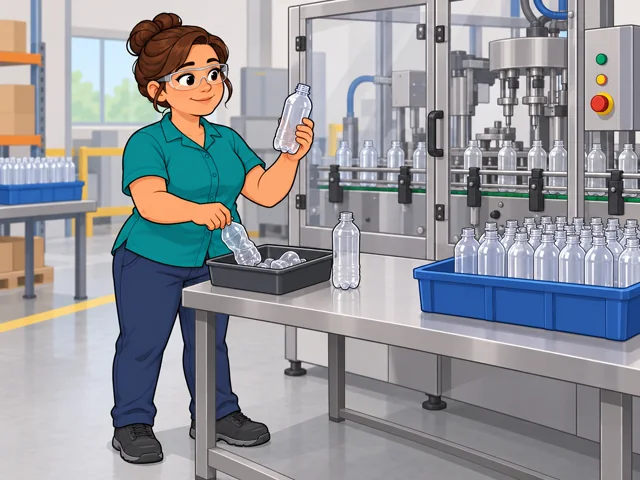
Load the right packing materials
Choose wrap and containers that suit the product, reject damaged supplies, and keep the machine stocked.
Career profile
Packaging machine operators run equipment that fills, wraps and seals products for shipping.
When an item rolling past on the conveyor looks off, you inspect the line and help make sure the following items come out right.
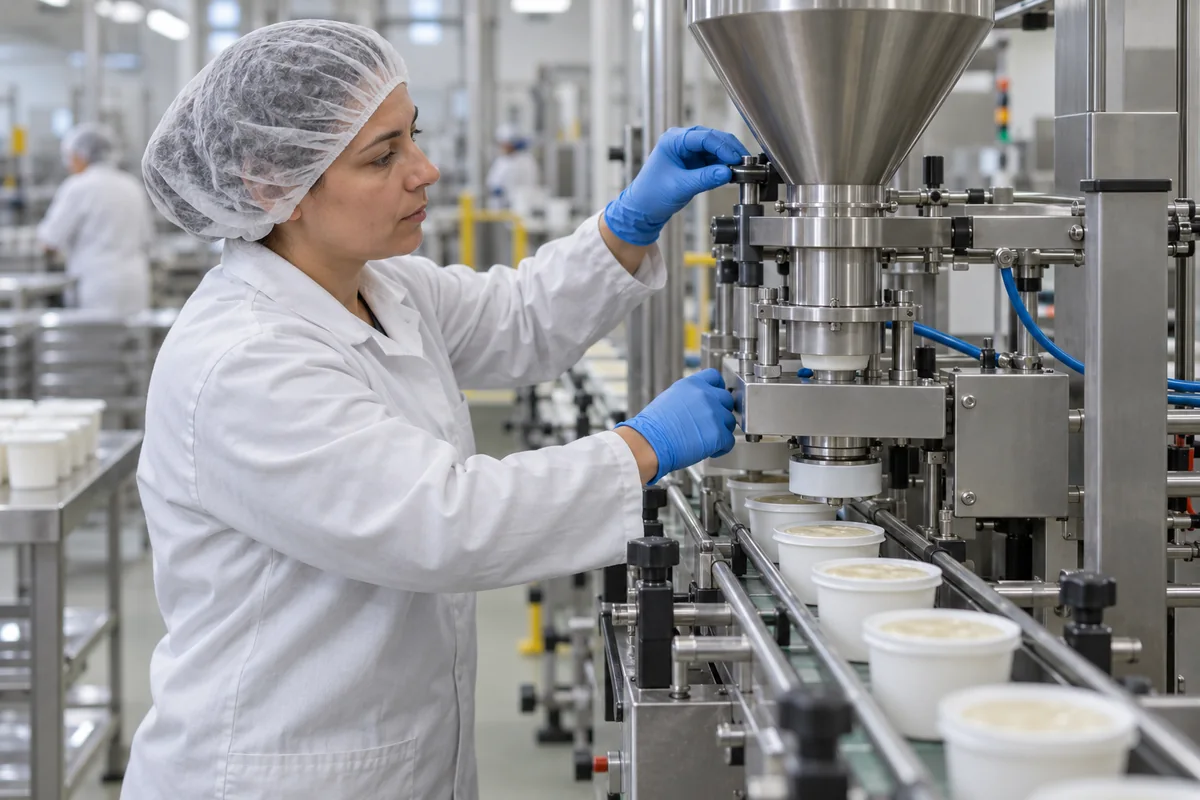
Choose wrap and containers that suit the product, reject damaged supplies, and keep the machine stocked.
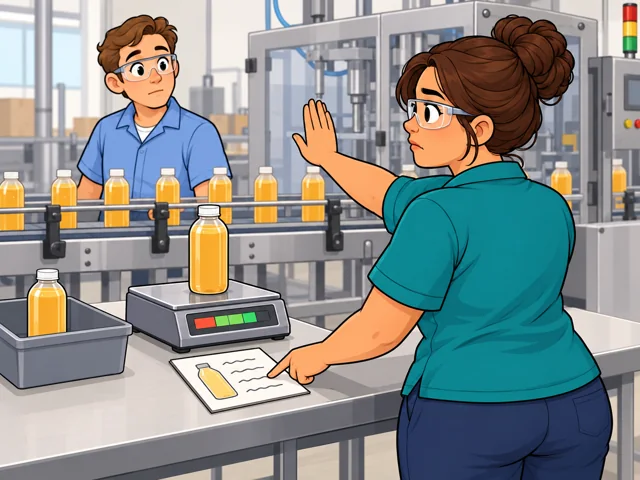
Weigh a filled container and flag any mismatch with the batch ticket before more containers leave the line.
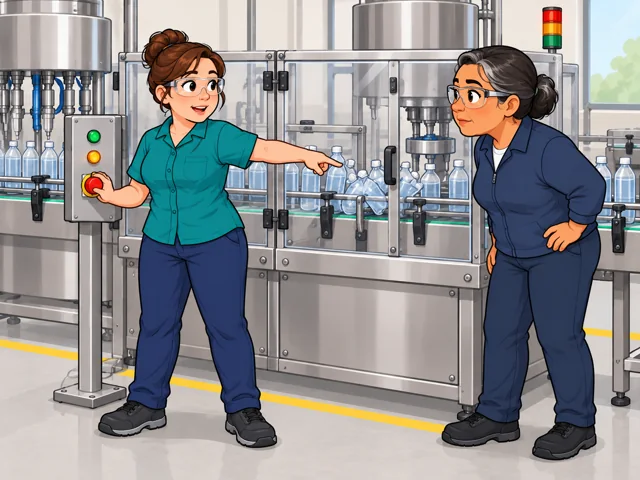
Watch for backups or bunched items, stop any faulty machine, and tell your supervisor what happened.
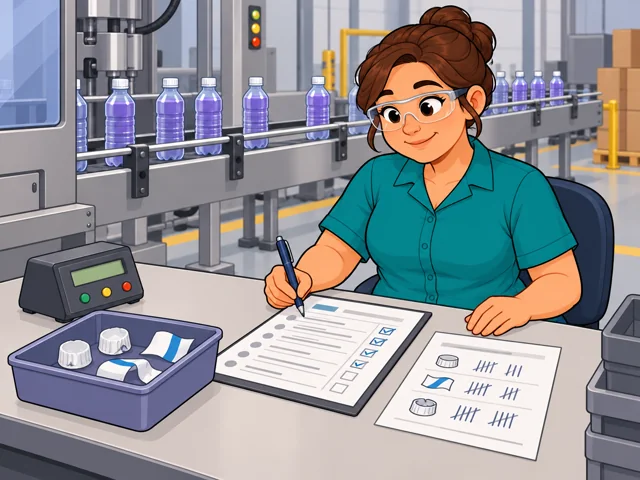
Write the batch's output count and wasted material on its work order so the record matches the run.
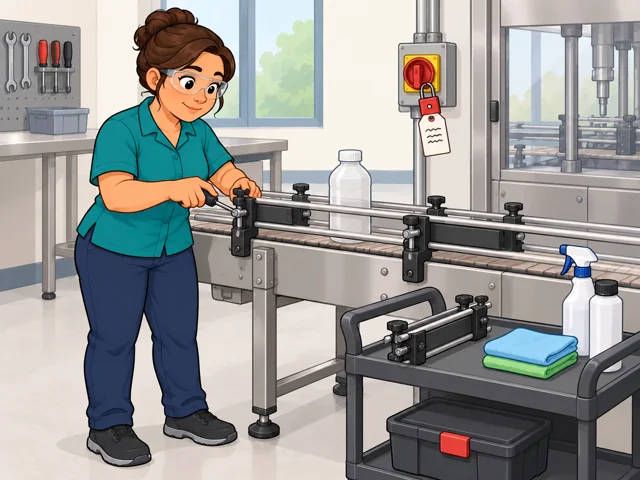
Some roles have you clean the line and swap parts to set up another product or package.
United States · 2025
United States · 2025
United States · 2025–2035
Quick orientation
A high school diploma or equivalent is typical; you learn the machinery on the job.
National median in 2025: $20.78 an hour.
About 41,400 openings a year are projected nationally for 2025–35.
Some lines use robots to pack cases and stack pallets. Control screens can show sensor information and guide operators through adjustments.
You still check materials and package quality, respond to faults, and explain problems that need further attention.
As equipment changes, the balance between loading materials, making adjustments, and watching automated steps may shift. How much transfers to machines will depend on the line and its products.
Pay in context
Use the national median as a reference when comparing actual offers.
The 2025 median was $43,220 a year, or $20.78 an hour, for packaging and filling machine operators and tenders. This is not a starting-pay promise.
Employment is projected to grow 4.1% from 2025 to 2035, with about 41,400 openings annually on average. Openings include replacement needs as well as growth.
In May 2025, the 10th-percentile wage was $16.06 an hour and the 90th-percentile wage was $28.86. These are wage percentiles, not starting and experienced pay rates.
In May 2023, national average hourly pay for this occupation was $18.73 in animal slaughtering and processing and $20.75 in pharmaceutical and medicine manufacturing. These older industry averages provide context, not current offers.
A college degree is not the typical entry requirement. Employers train you to operate their particular machines safely.
After entry
This starts where the entry routes leave off: early work, growing capability, and advancement or specialization.
Learn to match containers and labels to the batch ticket and keep accurate weight and material records.
Build skill with machine settings and alarms. Learn to connect a fault message with what is happening to the packages.
A possible next step is coordinating changeovers and crew activities, then helping train other operators.
Sanitation is part of the shift. You work with mechanics to keep equipment running and check that packaging matches the food being packed. Some lines run overnight.
Pumps and hoses move products into containers. Batch tickets specify quantities and labels, and you coordinate with mixers and material handlers as batches become ready.
Detailed batch records and checks before startup shape the work. You verify packaging components and document the run, with close attention to product identification.
Try it
Try a tabletop filling check: use a kitchen scale to put the same target weight of dry rice into five reusable cups. Record each weight and note which fills need adjustment. Notice whether repeating the check holds your attention.
Stay safe: Use household items only; this exercise does not involve operating industrial equipment.