
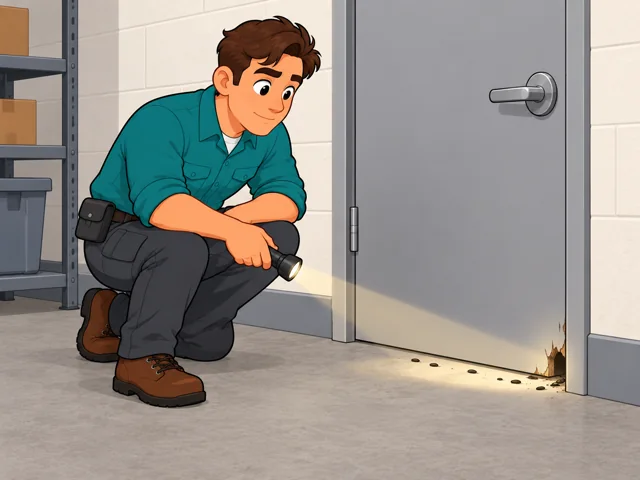
Find where pests get in
Search doors and walls for gaps, gnaw marks and other pest signs to find the likely way in.
Career profile
Pest control workers find how pests get in, treat infestations and help keep them out.
One mouse raises two questions: how is it getting inside, and what draws it back? Your answers shape a plan for treatment and prevention.
Search doors and walls for gaps, gnaw marks and other pest signs to find the likely way in.
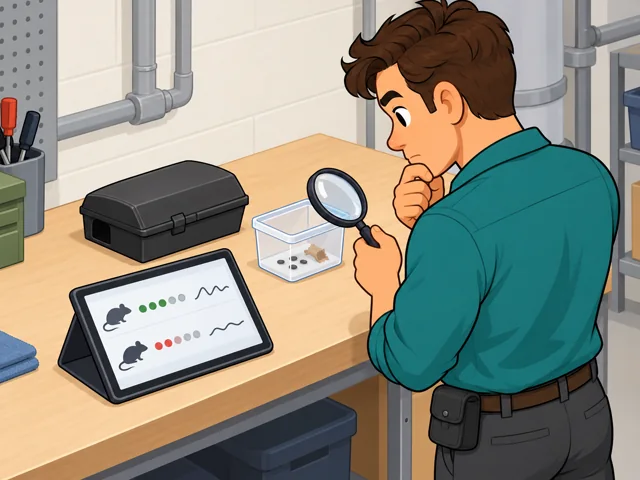
Identify what the inspection turned up, weigh the monitoring data, then pick prevention, trapping or a targeted pesticide.
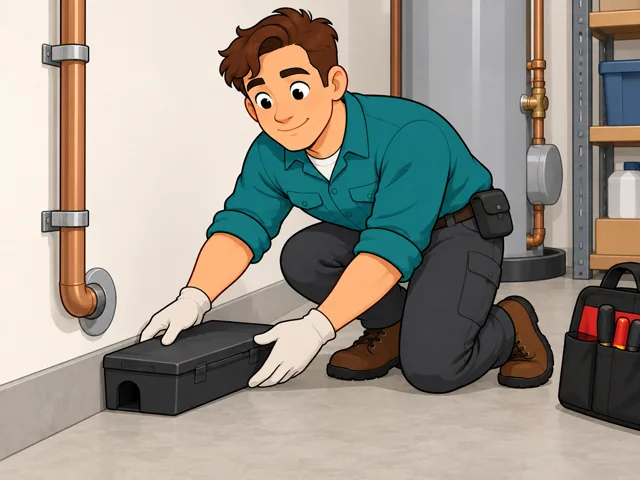
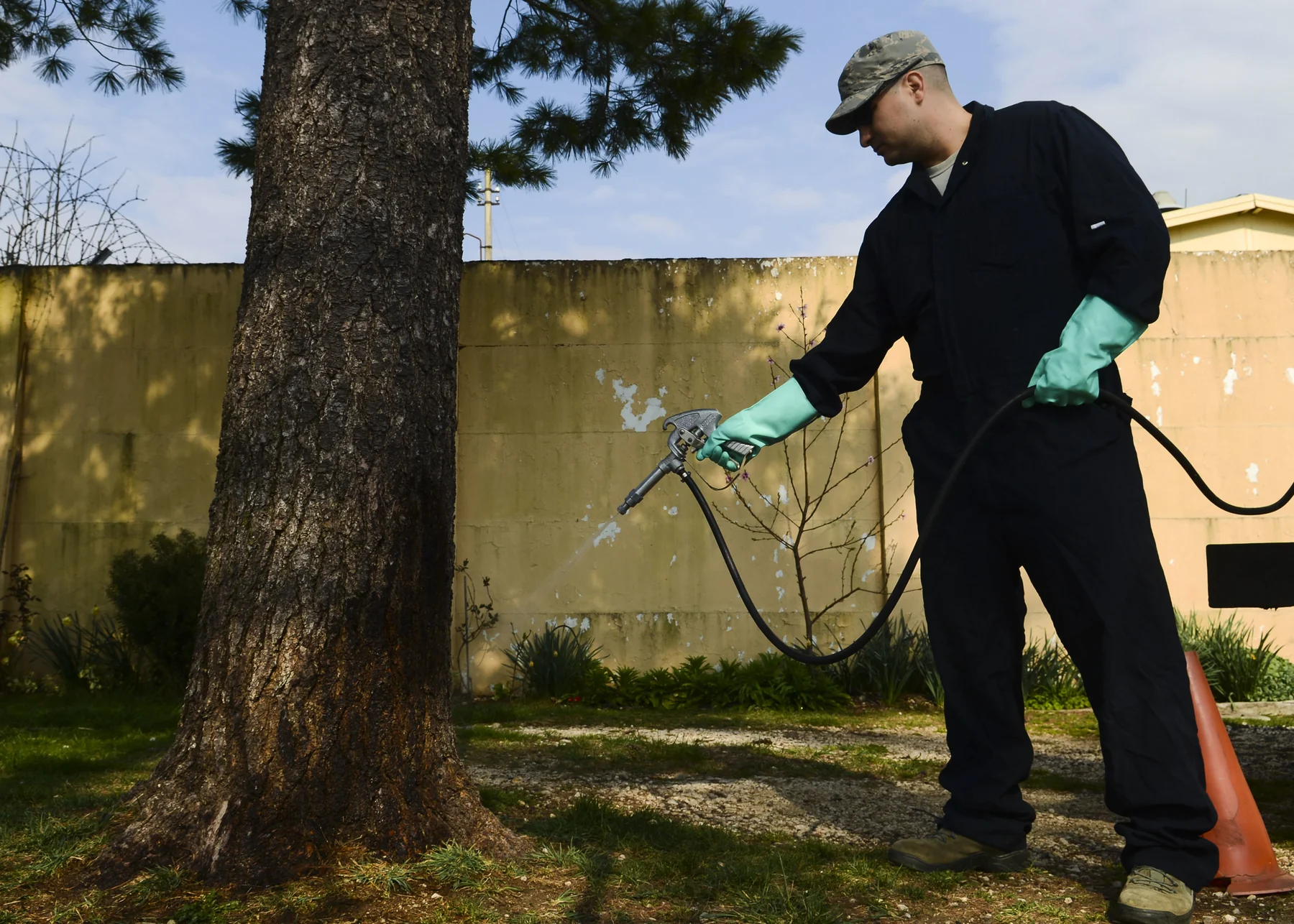
Place traps or run spray gear, and with pesticides, read the label for application and protective gear.
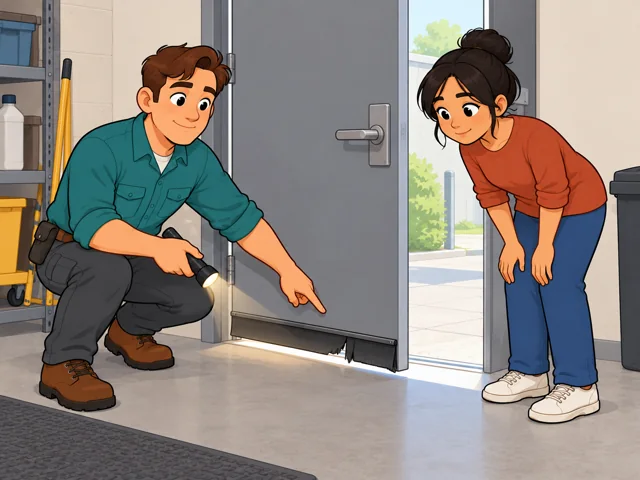
Show a resident or maintenance worker how repairing leaky pipes or door gaps cuts off water or entry.
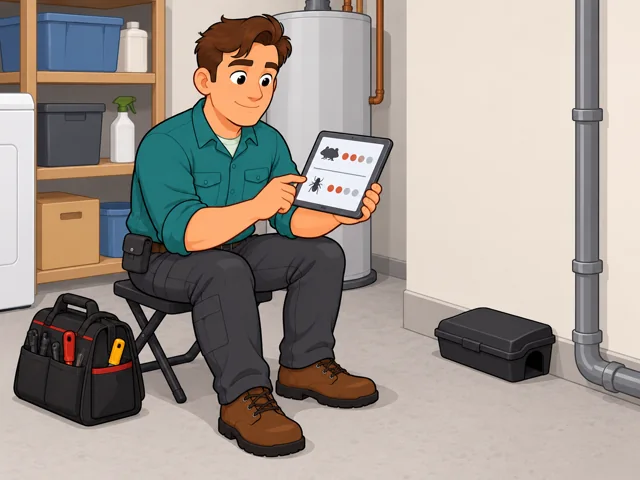
Log the job in service records, then on a later visit compare activity and rethink if pests remain.
United States
United States · May 2025
United States · 2025–2035
Quick orientation
Licensing requirements depend on your state and the work you do.
National median employee pay, equivalent to $21.75/hour.
About 13,700 openings annually, including replacement needs.
At some commercial sites, sensors detect rodent activity between visits and send alerts. Reports help you see where activity keeps recurring.
You still investigate the building, choose a response, and explain the changes people need to make.
How much routine trap-checking shifts to sensors will depend on the site and equipment; an alert may still lead to a hands-on visit.
Pay in context
These national wages describe employees, not business-owner income.
The median was $45,250 a year ($21.75 an hour). The lowest-paid 10% earned below $34,680; the highest-paid 10% earned above $61,890. These are not starting and experienced pay grades.
In exterminating and pest control services, median pay was $44,930. Location, experience, and responsibility can change earnings.
The 2025–35 forecast averages 13,700 openings a year, many replacing people who leave the occupation. Projected employment growth is 6%.
You can learn through employment or complete qualifying training first where state rules allow. A course certificate alone is not permission to apply pesticides.
After entry
This starts where the entry routes leave off: early work, growing capability, and advancement or specialization.
Build a repeatable inspection routine, keep clear service records, and practice explaining your findings.
Use results across visits to spot why pests persist. Get better at connecting treatment with repairs and prevention.
With experience, pursue supervisory work or a specialty such as termite control.
You coordinate with residents, a housing manager, and maintenance staff. A lasting fix may depend on someone repairing a leak or closing an opening between units.
Some accounts use rodent sensors alongside service visits. You work with alerts and activity reports, and your records can help the facility prepare for audits.
Try it
From a normal walking area, inspect one exterior doorway at home. Sketch visible gaps and nearby water or food sources, then explain which condition you would investigate first. Notice whether you enjoy finding clues and explaining a fix.
Stay safe: Keep this visual: do not handle pests, droppings, traps, or pesticides, or enter crawl spaces.