
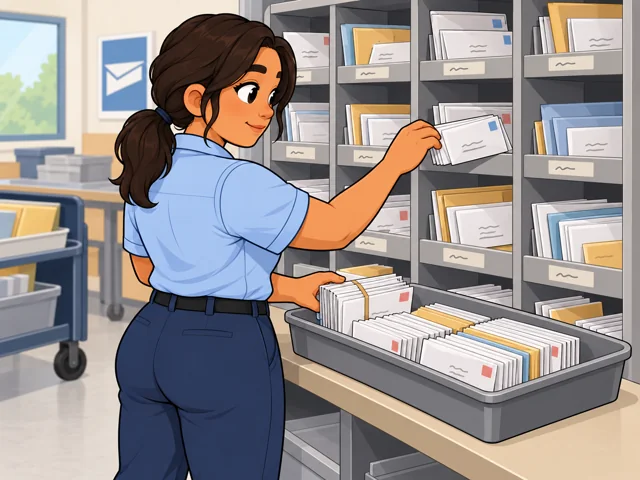
Put the mail in route order
Sort every piece of mail, bundles included, into the order of your stops before heading out.
Career profile
Mail carriers bring letters and parcels to the right addresses along a route of stops.
Much of your day goes to moving between stops. The route has to get finished, and now and then a customer needs your help.
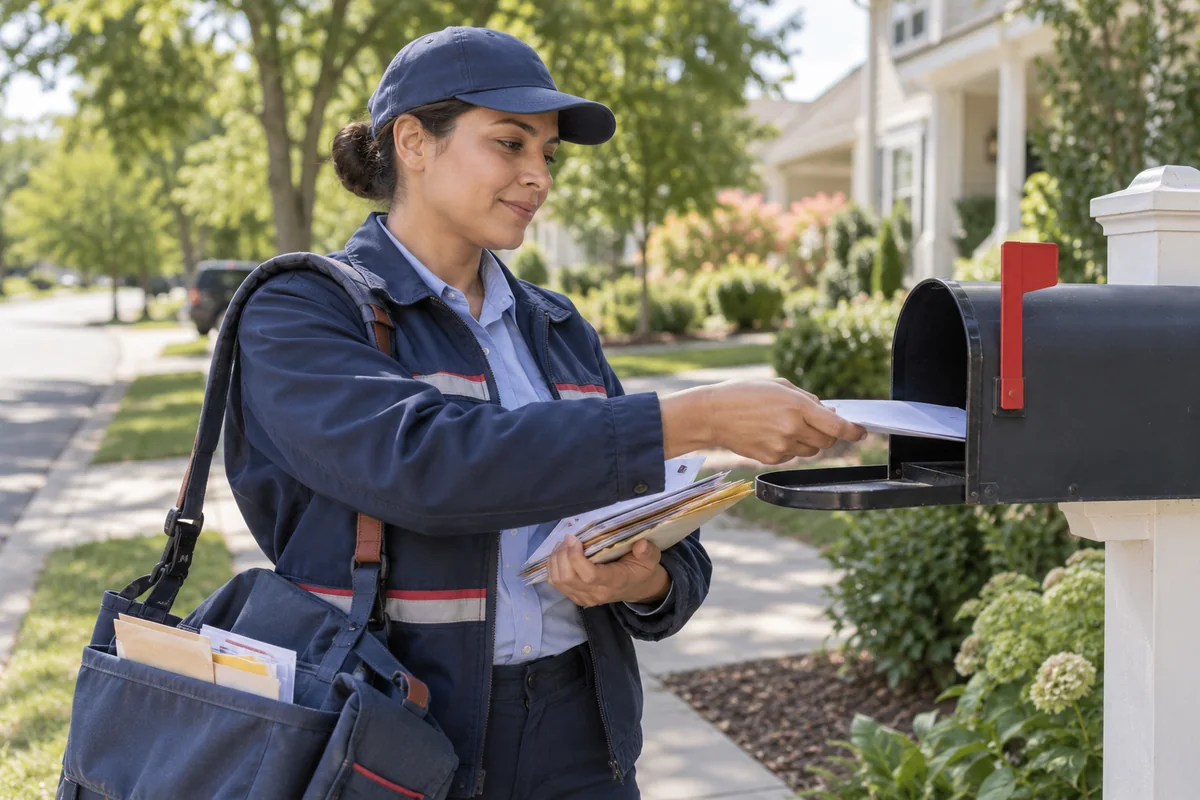
Sort every piece of mail, bundles included, into the order of your stops before heading out.
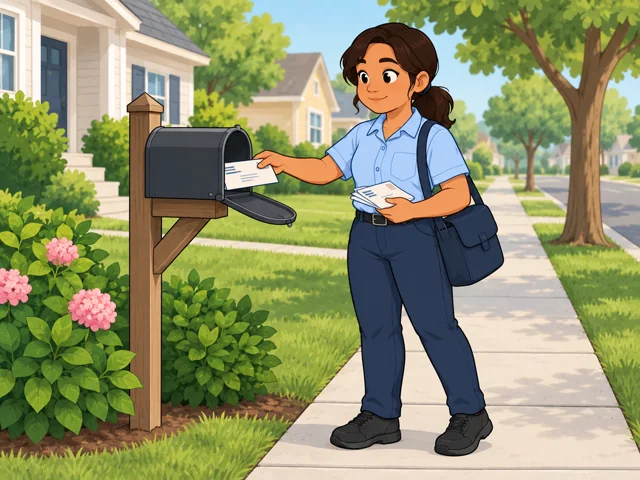
You go address to address on foot or by vehicle, dropping off mail and picking up outgoing pieces.
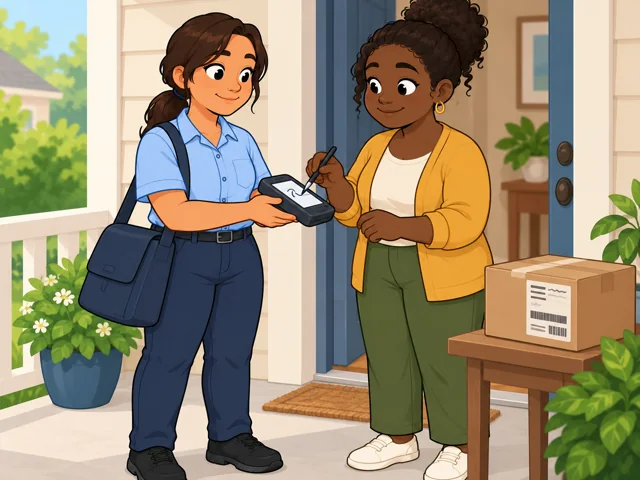
Scan each parcel label, get a signature if required, and leave a notice if you cannot deliver.
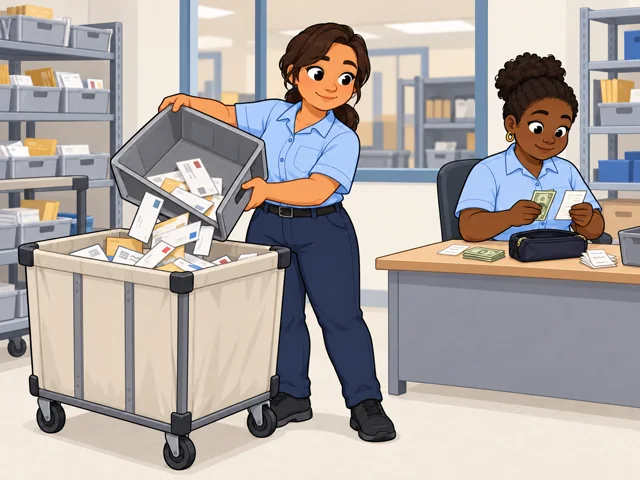
Back at the post office, hand over gathered mail plus any cash and receipts you collected.
United States · 2025
United States · May 2025
United States · 2025–2035
Quick orientation
Typically no formal educational credential or related experience is needed. Employer screening still applies.
National median for postal service mail carriers; $29.11 per hour.
Employment is projected to decline 0.3%, with about 19,600 openings annually.
Machines sort mail before delivery; scanners help record what reaches the customer.
You still move the mail, handle signatures and respond when a delivery cannot be completed.
Less sorting time can mean a larger route. More shared mailbox locations may also change how much walking and door-to-door delivery your day contains.
Pay in context
The national median gives you a reference point, not a starting-pay offer.
Postal service mail carriers had a median wage of $60,550 a year, or $29.11 an hour. The lowest-paid 10% earned $42,390 or less; the highest-paid 10% earned $81,040 or more. These are wage percentiles, not career stages.
For rural carriers, the 2024–2027 agreement includes general wage increases and cost-of-living adjustments. When comparing offers, check expected hours as well as the rate: associate work can require broad availability without a full week's schedule.
Postal service mail carrier employment is projected to fall 0.3% from 2025 to 2035. About 19,600 openings a year are projected nationally; that does not tell you how many vacancies are near you.
Apply to the United States Postal Service (USPS). Eligibility includes citizenship or qualifying residency status, background, drug and medical screening, and Selective Service registration when applicable. The usual minimum age is 18; some non-driving jobs allow younger applicants, including graduates at 16. Driving jobs require age 18, a license, a safe record and a road test. Complete the posting's required assessment, commonly the Virtual Entry Assessment for Mail Carriers (Exam 474). Applications and exams are free.
After entry
This starts where the entry routes leave off: early work, growing capability, and advancement or specialization.
After hiring, learn at work, sometimes alongside an experienced carrier.
Get reliable at address changes, held mail and accurate delivery records.
A next step can be career city carrier or regular rural carrier. Eligibility and available positions shape when that move is possible.
Your route may combine walking and driving, with brief customer conversations between stops. Road and weather conditions stay part of the job.
Vehicle delivery shapes the day. You prepare mail before departure and may need to use a personal vehicle when a postal vehicle is unavailable.
Try it
Draw a fictional route with ten addresses and make paper letters for them. Sort the letters into stop order, then add a hold request and an address change. Check what needs to be set aside. Notice whether careful, repetitive checking holds your attention.
Stay safe: Use made-up addresses and paper props, not anyone's real mail.