

Run a preflight check in Acrobat
Run Acrobat's preflight against print settings and review every flag, such as image resolution, before taking automatic fixes.
Career profile
Prepress technicians turn a designer's text and images into press-ready files, sometimes making plates too.
Spotting mismatches, fixing the file and checking a proof come before production, because a file can look finished on screen yet hide a print problem.
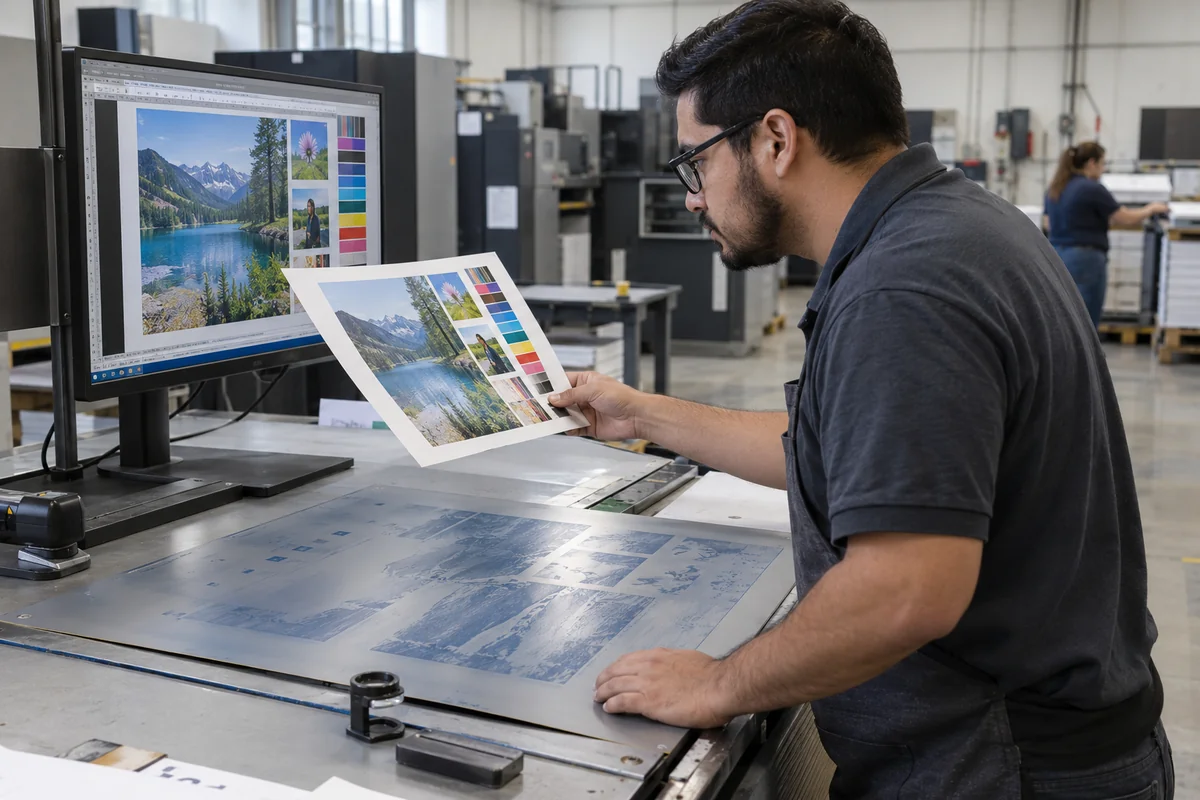
Run Acrobat's preflight against print settings and review every flag, such as image resolution, before taking automatic fixes.
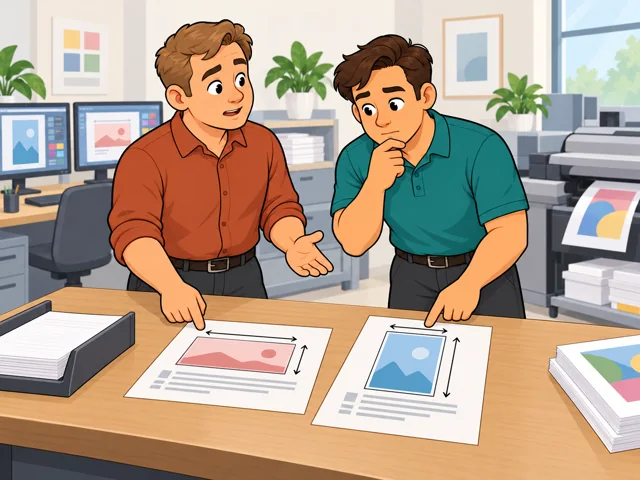
Set the artwork beside the job ticket, and if sizes differ, learn which one is right before editing.
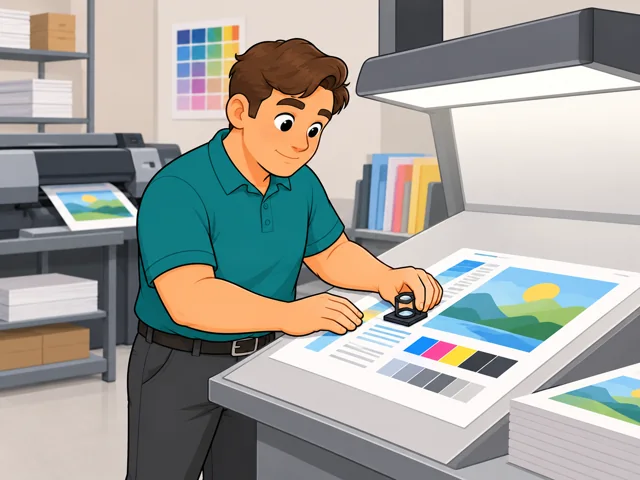
Make a proof showing how the print will look, then scan its text, images and color for problems.
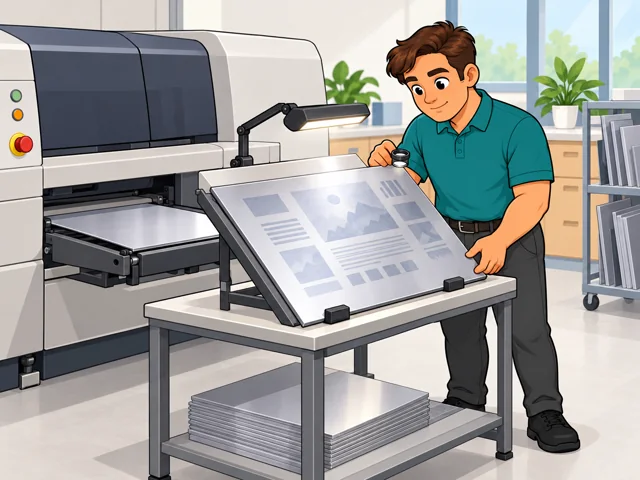
On some jobs, you image the file onto a plate by laser, then check it for defects.
United States · 2025–2035
United States · 2025
United States · 2025–2035
Quick orientation
A postsecondary nondegree award is the typical preparation; employer requirements vary.
National median for prepress technicians and workers, equivalent to $23.41 an hour.
About 2,100 openings a year are projected even as total employment shrinks.
File-checking software can flag mismatches and automatically fix selected problems using rules you choose.
You decide which checks fit the job and resolve instructions that disagree or leave something out.
How much checking becomes automatic depends on the files and the rules a shop can reliably set. The balance between routine checks and difficult exceptions may shift.
Pay in context
Use national wages as a starting point when comparing prepress jobs.
The 2025 median was $48,690 a year, or $23.41 an hour. Half of workers earned more and half earned less.
The lowest-paid 10% earned $35,810 or less annually; the highest-paid 10% earned $66,080 or more. These describe workers across jobs, not starting and senior salaries.
Employment is projected to fall 15.3% from 2025 to 2035. About 2,100 openings annually are still projected as workers leave the occupation.
Look for preparation that includes getting files ready for print. Both focused certificates and related degree programs can build that foundation.
After entry
This starts where the entry routes leave off: early work, growing capability, and advancement or specialization.
Learn the shop's job tickets and checking sequence so you can catch missing information before output.
Develop color-correction skills and learn to arrange pages for printing, a process called imposition.
Learn to troubleshoot packaging files for different printers and output systems.
You may combine artwork changes with direct customer service, moving between questions and file preparation under tight deadlines.
You prepare files for multiple printers, adapting to different production specifications and proofing systems.
Try it
Make a one-page flyer in software you already have. Print it at its intended size and compare it with the screen: check small text, image sharpness and spacing. Mark corrections and make a second version. Notice whether finding and fixing those details holds your attention.