
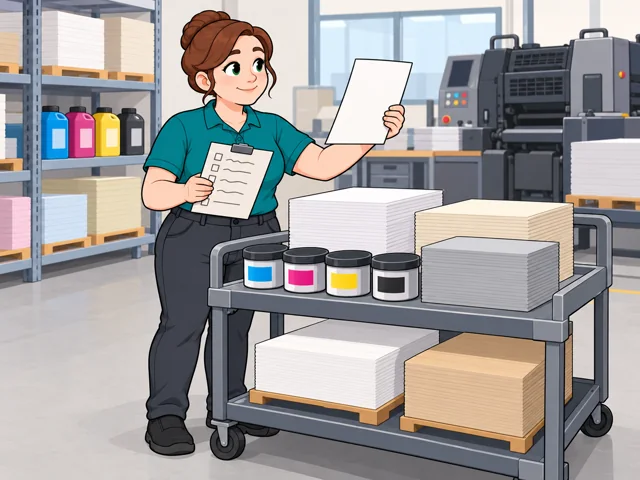
Match materials to the order
Confirm the paper stock, inks, copy count and any extra directions listed on the job order.
Career profile
Press operators prepare presses for a job, then keep colors and image position right throughout.
Change a setting on the press, and the very next sheet out shows the result.
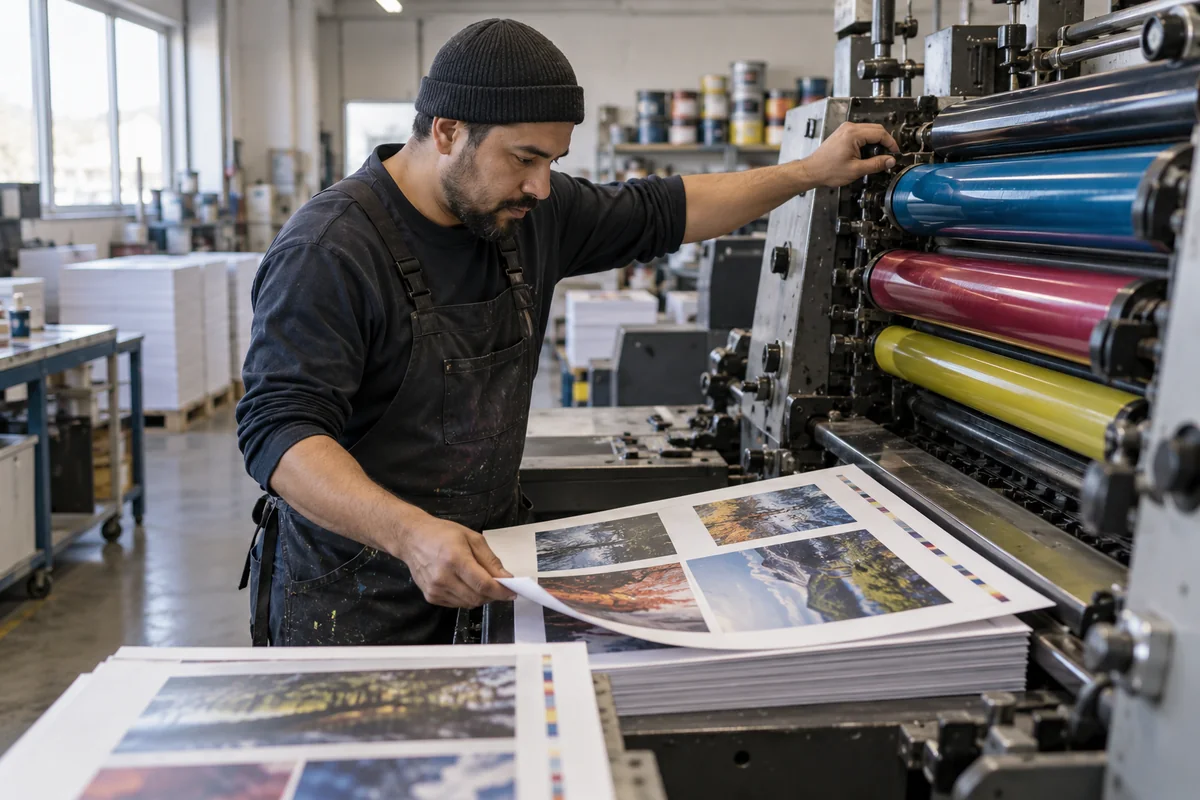
Confirm the paper stock, inks, copy count and any extra directions listed on the job order.
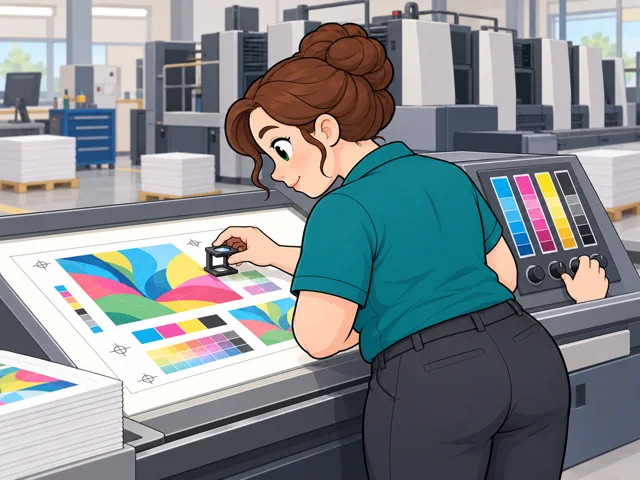
Pull a test print first, check that colors line up and ink spreads evenly, then adjust ink flow.
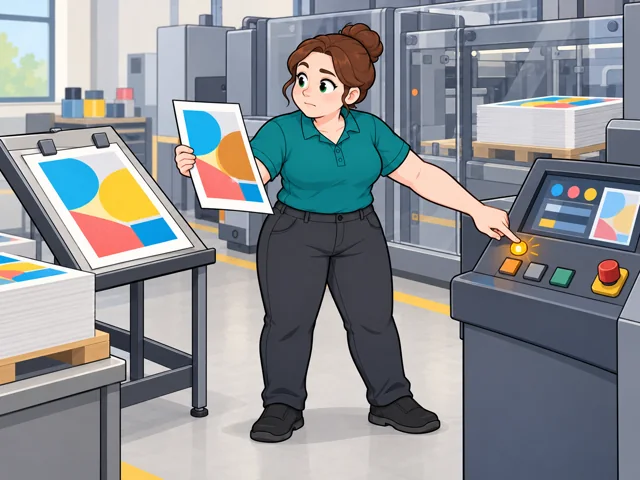
While the job prints, look over sample sheets and respond to machine warnings before many sheets go bad.
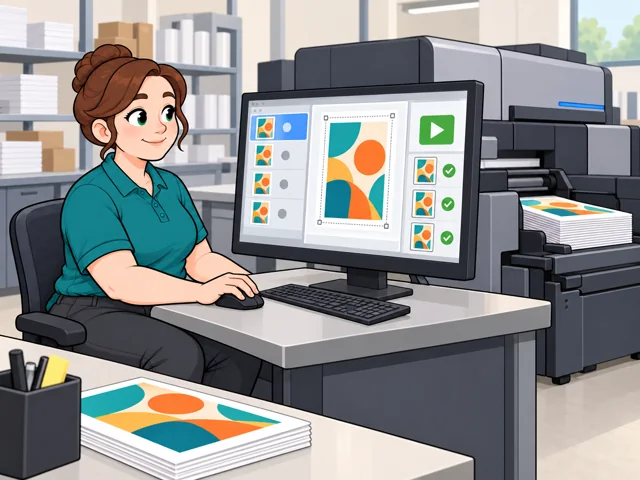
On digital presses, you line up waiting jobs, shift where images sit and log finished output.
United States · 2025
United States · 2025
United States · 2025–2035
Quick orientation
Typical entry preparation is a high school diploma or equivalent, followed by moderate-term on-the-job training.
National median pay in 2025, equivalent to $22.01 an hour.
Employment is projected to fall 8.7% from 2025 to 2035, with about 12,100 openings a year.
Some newer offset presses measure and correct color and alignment automatically while printing. That can reduce repeated manual checks.
You still investigate machine problems, resolve quality issues, and coordinate the press crew.
How much setup and correction becomes automatic will depend on the press and the jobs it handles; the balance between hands-on adjustments and monitoring can change.
Pay in context
The 2025 national median was $45,780 a year, or $22.01 an hour. That is a midpoint across workers, not a starting offer.
The lowest-paid 10% earned $33,330 or less; the highest-paid 10% earned $63,520 or more. These are wage percentiles, not beginner and experienced pay steps.
In 2023, annual mean pay was $52,120 in converted paper product manufacturing and $44,510 in printing and related support activities. These older industry averages are separate from the 2025 national median.
Skills, experience, location, and shift can affect an offer. Ask whether the quoted rate includes a shift premium and how overtime is paid.
The 2025–35 projection shows 8.7% fewer jobs overall and about 12,100 openings annually. Openings are opportunities to fill positions, not a count of newly created jobs.
A high school diploma or equivalent is the typical starting point. Look for a role that explicitly includes learning the press.
After entry
This starts where the entry routes leave off: early work, growing capability, and advancement or specialization.
Learn its setup sequence, safe changeovers, and quality checks well enough to repeat them consistently.
Build the skill to connect an output defect with its possible causes, make a correction, and check the result.
With experience, you may coordinate production, train new operators, and help reduce spoiled sheets and downtime.
Your workstation includes a print queue as well as the printer. File preparation, image positioning, and production logs are part of keeping jobs moving.
You print packaging with a press crew, complete quality checks, and hand off information between shifts. Plant roles can involve long periods on your feet.
Try it
Compare two copies of the same printed flyer or package under the same light. Look for differences in color, sharp edges, and image position. Note what you would want checked before printing more. Do you enjoy this close inspection?