
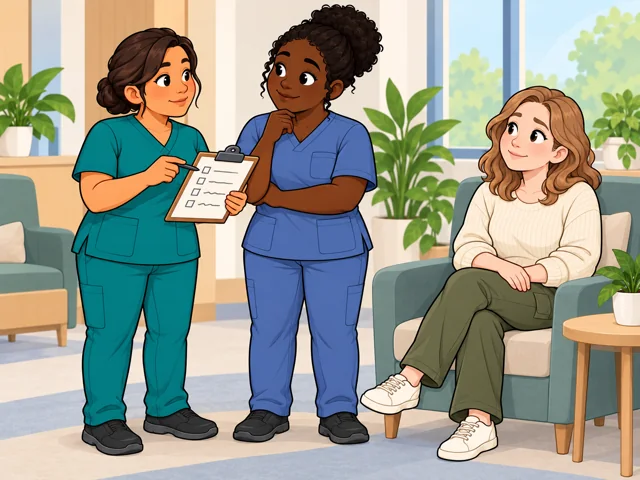
Notice a talkative patient go quiet
Watch them closely, write down what you observe, and let the nurse know their behavior has changed.
Career profile
Psychiatric technicians observe mental health patients closely, run recovery activities and give hands-on physical care.
Other clinicians may see a patient only briefly. You're around longer, so plainly describing a change you notice can help the team understand their condition.
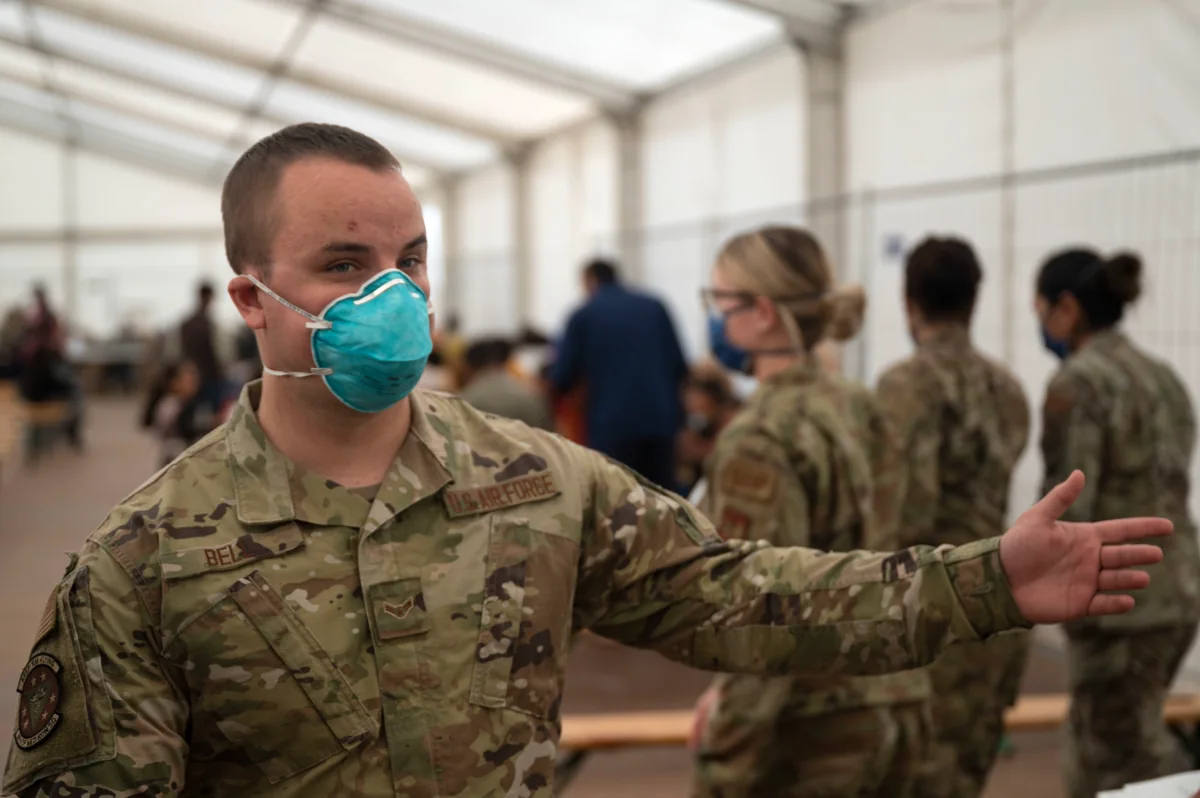
Watch them closely, write down what you observe, and let the nurse know their behavior has changed.
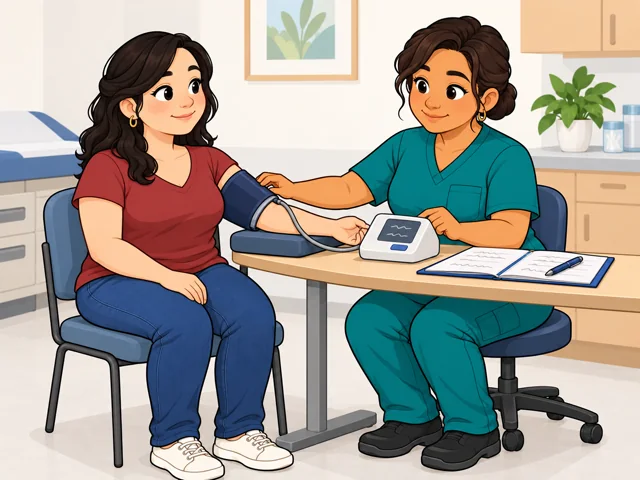
You use a blood pressure gauge or a thermometer, then write the number in that patient's chart.

Get patients joining in and engaging with each other during an activity planned ahead to support treatment.
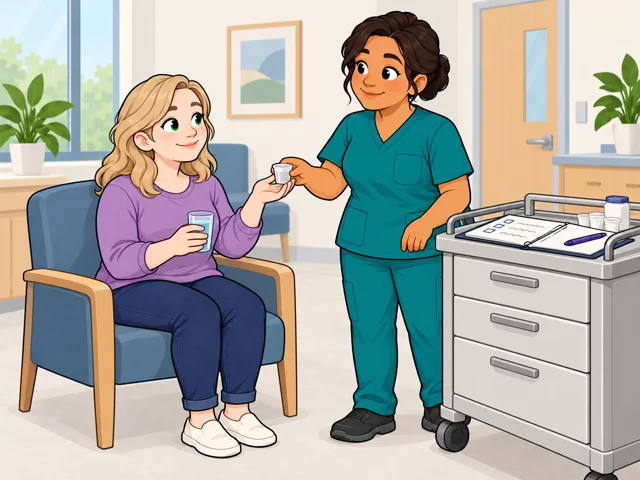
In some jobs, you give these, log each dose and watch how the patient reacts.
United States
United States · May 2025
United States · 2025–2035
Quick orientation
Postsecondary training is typical; some states require a license.
National median, about $21.70 an hour.
About 17,000 openings annually for psychiatric technicians.
Electronic patient records help organize observations and care information.
You still need to listen, notice discomfort, and respond to the person in front of you.
How much charting software will take over is uncertain, especially when behavior needs context rather than a checkbox.
Pay in context
The national median is $45,130 a year, or about $21.70 an hour. Half of psychiatric technicians earn more and half earn less.
The 10th-percentile wage is $35,090; the 90th-percentile wage is $60,750. These describe the wage distribution, not starting and senior salaries.
Annual medians were $47,090 in social assistance, $44,990 in outpatient care centers, $39,960 in private psychiatric and substance abuse hospitals, and $39,920 in nursing and residential care facilities.
Employment is projected to grow 22.3% over 2025–2035. The roughly 17,000 annual openings include replacement needs as well as growth; they are not all newly created jobs.
Check your state's rules before choosing training. Technicians typically study beyond high school and work under the direction of physicians or registered nurses.
After entry
This starts where the entry routes leave off: early work, growing capability, and advancement or specialization. This path also has a credential or licensing boundary; see the requirements and limits.
Learn the unit's routines alongside experienced staff, including observation, reporting changes, and responding to safety concerns.
Get better at connecting daily observations with treatment goals. Bring clear records of a person's responses to care-team discussions.
Some employers have senior technician roles. California state hospitals use senior psychiatric technicians to supervise a shift, train staff, and help coordinate care.
Some emergency centers employ technicians to support patients with mental or behavioral health needs. You work closely with charge and staff nurses on care and safety, with day or night shifts.
In homes for people with developmental disabilities, care extends into daily living: practicing self-care, accompanying residents to appointments or outings, and communicating with families.
Try it
Watch a short fictional scene involving a tense conversation. Write three sentences describing only what you can see or hear, then circle any guesses about feelings or motives. This tests whether you enjoy the careful observation and clear reporting the job requires.
Stay safe: Use fictional material, not observations of a real patient. This is writing practice, not diagnosis.