

Reshuffle pickups as bins fill
When bins start filling faster than expected, rethink which pickups come first and reset the crew's schedule.
Career profile
Recycling coordinators keep a recycling program running by scheduling pickups and supervising collection crews.
Once a pickup plan stops working, you help rework it, then explain the changes to the crew and everyone using the bins.
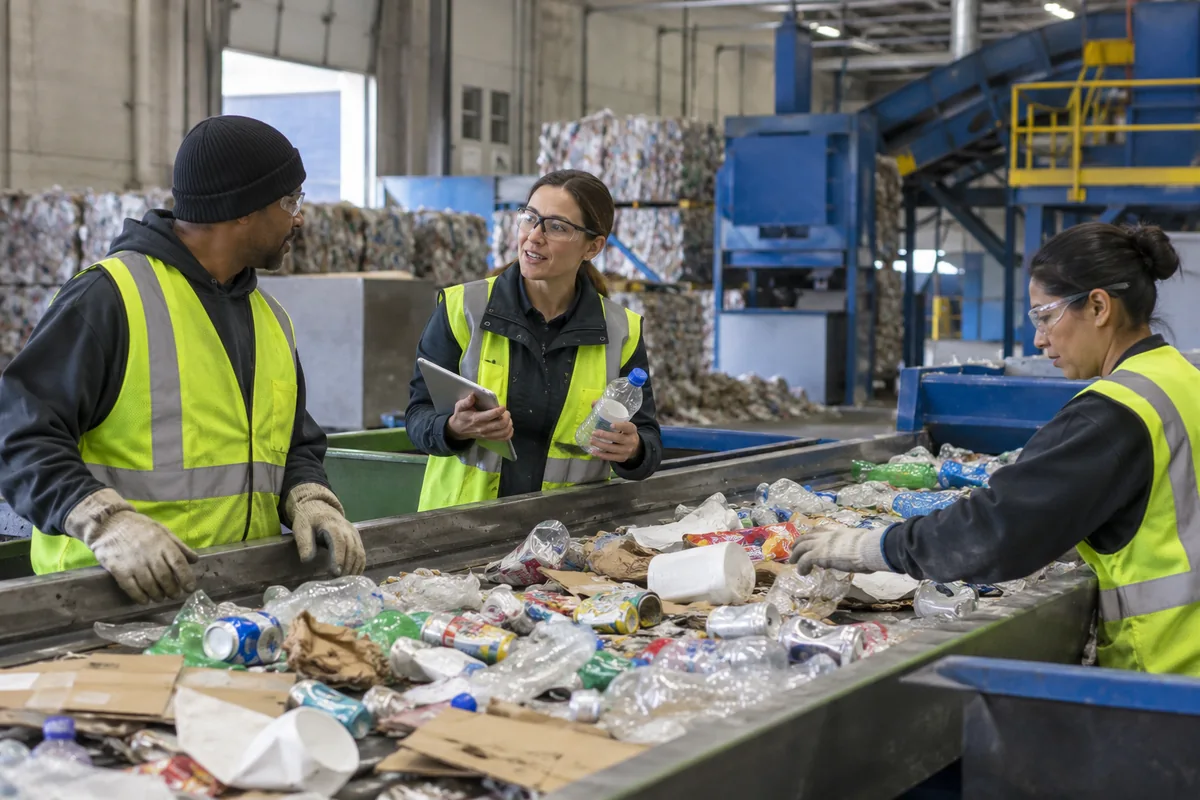
When bins start filling faster than expected, rethink which pickups come first and reset the crew's schedule.

Type pickup numbers into a spreadsheet, cross-check the totals, then use them to build a recycling report.

Before the upcoming pickup, show one crew member each sorting and pickup step, then answer their questions.

Prepare a short talk for a community meeting and answer residents' questions about how the program works.
United States
A national median and pay range are not reported for this title.
National growth and annual openings are not reported separately for recycling coordinators.
Quick orientation
Some collection-focused jobs accept high school completion; program jobs may require college and related experience.
A national median and pay range are not reported for this title.
National growth and annual openings are not reported separately for recycling coordinators.
Spreadsheets and computer records help you compare collections and prepare reports.
You decide whether a proposed collection change fits the crew and explain it to the people affected.
How much scheduling and reporting becomes automated will depend on the tools employers adopt and whether they work well with local collection systems.
Pay in context
National pay figures are not reported specifically for recycling coordinators. Use the broader benchmark cautiously and compare actual job offers.
The 2025 median was $62,890 a year, or $30.23 an hour, for first-line supervisors of transportation and material moving workers, except aircraft cargo handling supervisors. This covers much more than recycling coordination.
Brea, California advertised $32.72–$37.94 an hour in April 2026 for a grant-funded, limited-term job averaging 20–26 hours weekly. That was a local advertised range, not national pay. Compare weekly hours and appointment length before comparing earnings.
Choose whether you want to coordinate collections or develop community programs; the preparation can differ substantially.
After entry
This starts where the entry routes leave off: early work, growing capability, and advancement or specialization.
Get familiar with accepted materials, pickup procedures, and the records your workplace keeps.
Take responsibility for schedules and recommend changes when a collection process needs improvement.
Work toward responsibility for a broader recycling program, including staff, budgets, and evaluating new equipment or methods.
You may collect materials yourself while scheduling student workers and running a recycling center. The work can be physical and continue in poor weather.
Some city roles are mainly office-based, with trips to meetings. You work with vendors and community leaders and help plan services across the city.
Try it
Sketch a recycling pickup plan for three imaginary school buildings. Give one building twice as many bins, then remove one worker from your plan. Revise the schedule and write a short message explaining the change. Notice whether you enjoy coordinating the work and making instructions clear.
Stay safe: Keep this a paper exercise; you do not need to handle waste or operate equipment.