
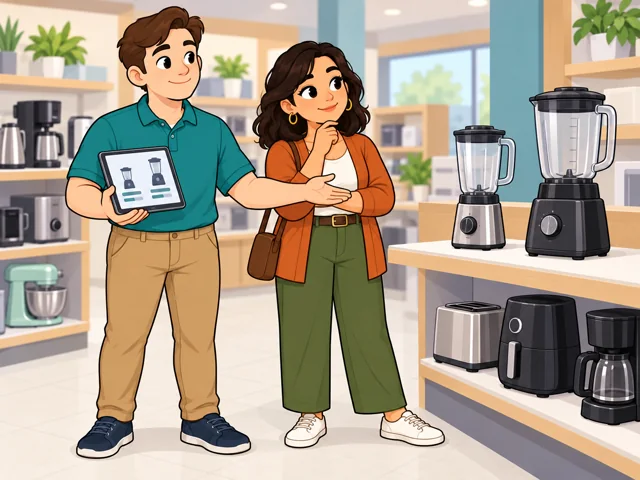
Ask what the shopper needs
Find out what the customer needs and can spend, then suggest products that match their answers.
Career profile
Retail salespersons help customers choose goods, explain how products work, and complete the sale.
Helping a customer who cannot decide among several backpacks starts with asking what they'll carry, then comparing them and noting features that fit their day.

Find out what the customer needs and can spend, then suggest products that match their answers.
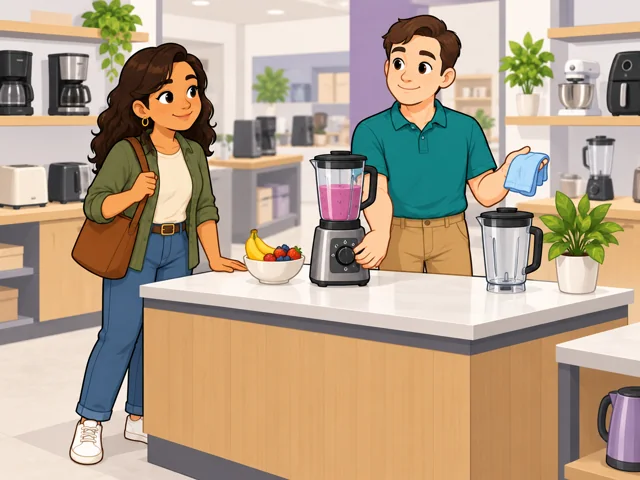
Show the controls or features working first, then explain how to use and care for the item.
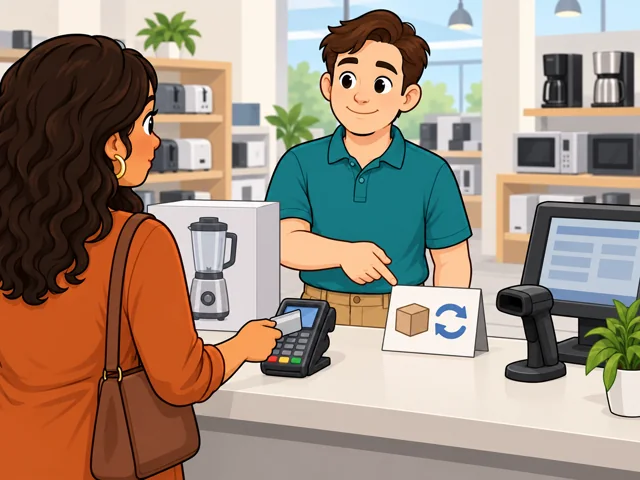
Ring up the items, total the cost, collect payment, and explain the exchange policy before the customer goes.
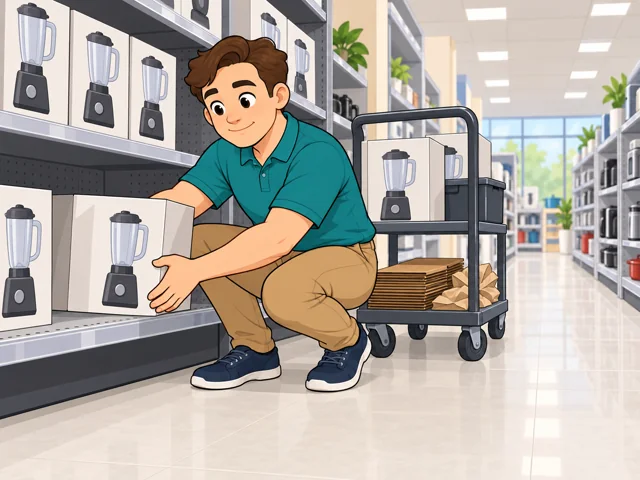
Once stock runs low, restock the display and clear away packaging so shoppers can reach items safely.
United States
United States · May 2025
United States · 2025–2035
Quick orientation
Usually no formal education requirement; some employers prefer a high school diploma.
National median for retail salespersons; about $35,410 at a full-time, year-round schedule.
Employment projected to decline 0.3%; about 520,600 openings a year.
Checkout software totals purchases; inventory systems help track stock.
You listen to the shopper and explain which product differences matter.
As more shopping moves online, the balance between in-store advice and digital transactions may keep changing.
Pay in context
Compare the hourly rate, expected hours and any commission arrangement.
The median was $17.03 an hour, or $35,410 annualized. The lowest tenth earned under $13.08 an hour; the highest tenth earned over $23.02. These are wage ranges, not career stages.
Hourly medians were $17.82 at building material and garden supply dealers, $17.45 at furniture, home furnishings, electronics and appliance retailers, and $16.43 at clothing, accessories, shoe and jewelry retailers.
These figures include commissions and production bonuses, but exclude overtime premiums. Fewer paid hours mean lower annual earnings.
About 520,600 openings are projected annually despite a 0.3% employment decline. Openings include replacing people who leave the occupation.
A degree is usually unnecessary. Employer requirements vary, and most learning happens after hiring.
After entry
This starts where the entry routes leave off: early work, growing capability, and advancement or specialization.
Become dependable with checkout and store policies.
Learn product differences and when a colleague in another department can help complete a customer's project.
Experience can lead to a supervisor or store-management role.
In a large store, you may combine clothing advice with stocking racks and using a handheld scanner. Product knowledge and keeping merchandise ready to shop share your attention.
Customers often need supplies for a whole project. You coordinate with nearby departments while keeping your own shelves stocked and aisles clear.
Try it
Choose two backpacks from an online store. Ask a friend what they carry and their pretend budget, then recommend one using two relevant features. Notice whether you enjoy asking questions and explaining your choice.
Stay safe: No purchase is needed.