
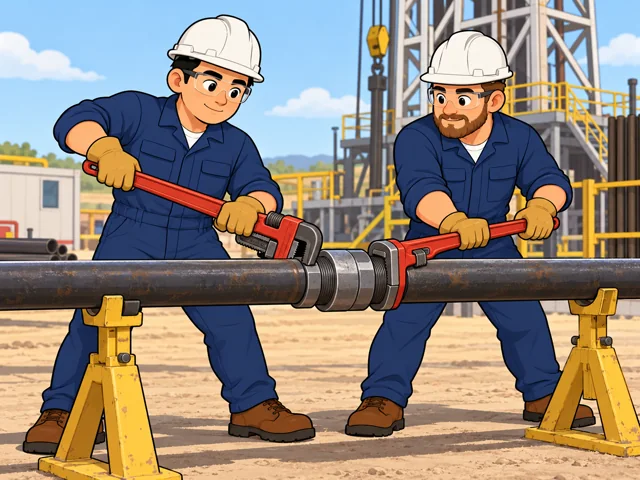
Tighten or loosen pipe joints
Grab a hand or power wrench and tighten joints to join pipe sections, or loosen them to separate.
Career profile
Roustabouts assemble and repair oilfield equipment, move pipe, and prepare job sites for the crew.
Handy with tools and curious how big machines fit together? Roustabout work puts you next to the machinery early on.
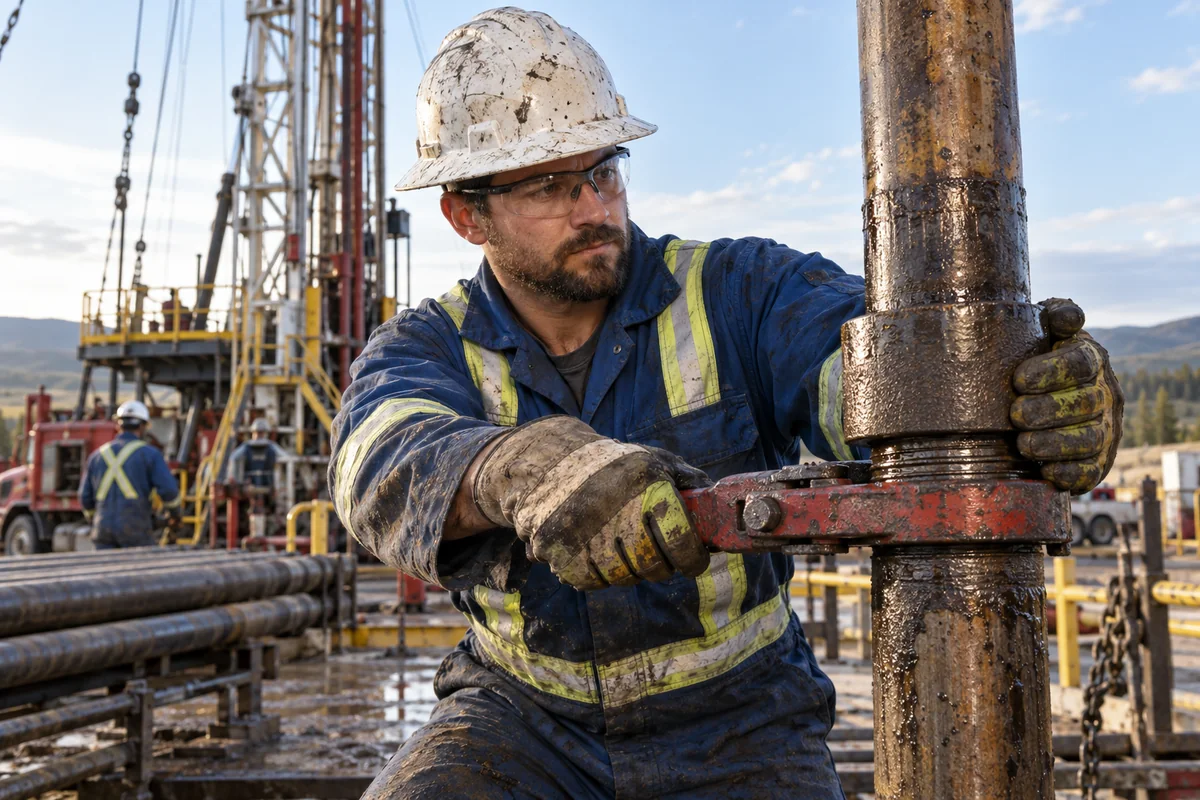
Grab a hand or power wrench and tighten joints to join pipe sections, or loosen them to separate.
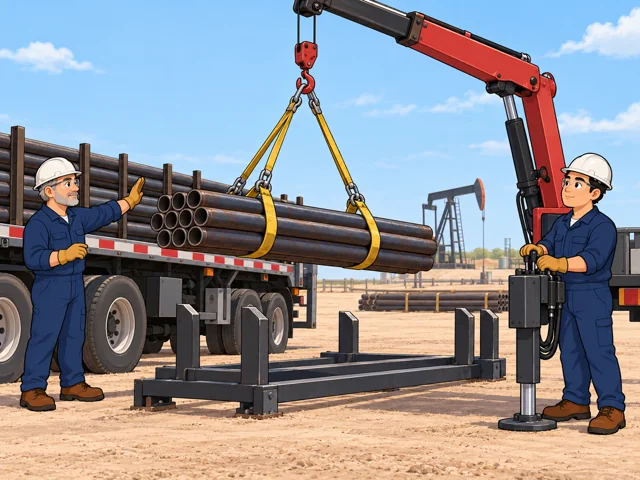
You run the truck's winch or a motorized lift to unload pipe where crew members need it.
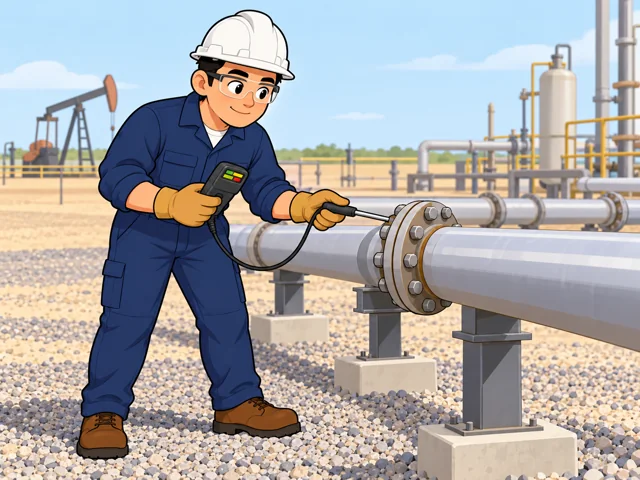
In some roles, you walk flow lines, looking for leaks by eye and with an electronic detector.
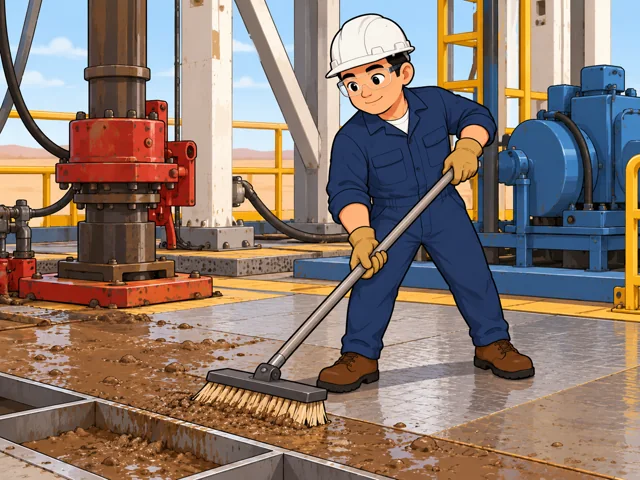
Between other jobs, clear built-up dirt off the rig and its equipment so work areas stay tidy.
United States · 2025 entry characteristics
United States · May 2025
United States · 2025–2035
Quick orientation
No formal educational credential is typically needed; some employers ask for a high school diploma or equivalent.
National median for roustabouts, equivalent to $22.58 an hour.
About 4,100 openings a year are projected nationally, including replacement openings.
Electronic leak detectors help you find problems that a visual check might miss.
Crews still handle equipment and coordinate its movement.
Automation may change crew sizes; how much hands-on work it takes over will vary across sites.
Pay in context
Use the national figures as a starting point, then compare the hours and terms of an actual offer.
The median was $46,960 a year, or $22.58 an hour. The lowest-paid 10% earned $36,420 or less; the highest-paid 10% earned $64,530 or more. Those are wage percentiles, not starting and senior salaries.
In May 2023, roustabouts averaged $47,270 annually in mining support services and $52,470 in oil and gas extraction. These historical averages show an industry difference; they are not current offers or a guaranteed premium.
Employment is projected to grow 3.6% during 2025–2035, with about 4,100 openings annually. Openings include replacements, so they outnumber jobs added through growth.
You can enter through employment or prepare through a training program.
After entry
This starts where the entry routes leave off: early work, growing capability, and advancement or specialization.
Learn the crew’s tool organization and safety routines.
Become more capable at assembling equipment, maintaining it, and moving materials.
With experience, pursue crew-lead responsibilities: planning work and coordinating people. Some contractors also offer cross-training into skilled trades.
At Appalachian service contractors, your crew may prepare sites and handle materials alongside skilled tradespeople. The mix can extend beyond the drilling rig to construction and maintenance jobs.
Cargo handling brings you alongside crane operators. Rotations may combine long shifts with weeks away from home.
Try it
Sketch a work area with a pipe stack, a truck unloading spot, and a pump needing parts. Use paper pieces to plan what moves first, then explain the sequence to a partner. Notice whether organizing materials and making your instructions clear holds your interest.
Stay safe: Keep this a tabletop exercise; it does not teach lifting or rigging.