
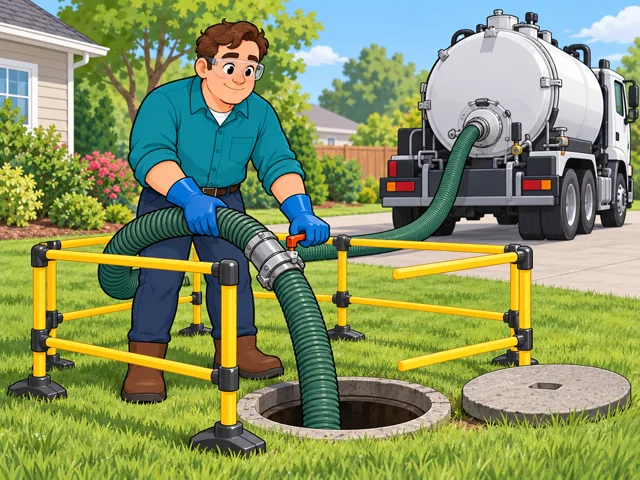
Pump out a customer's tank
Feed the vacuum truck's hose into the customer's tank and draw the waste out.
Career profile
Septic and sewer cleaners empty septic tanks, clear blocked sewer lines and find underground problems.
Expect truck-mounted pumps and pipe-cleaning tools, plus plenty of puzzles for anyone who enjoys machines and figuring out why something quit.
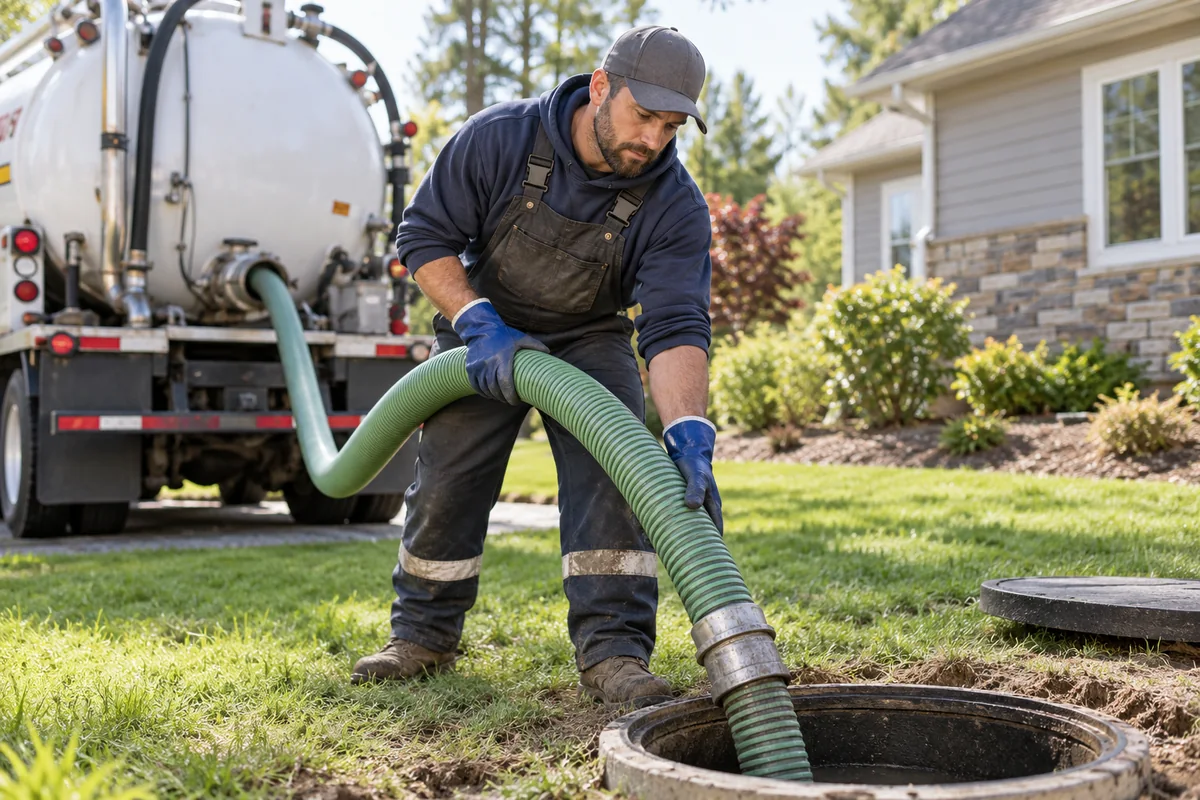
Feed the vacuum truck's hose into the customer's tank and draw the waste out.
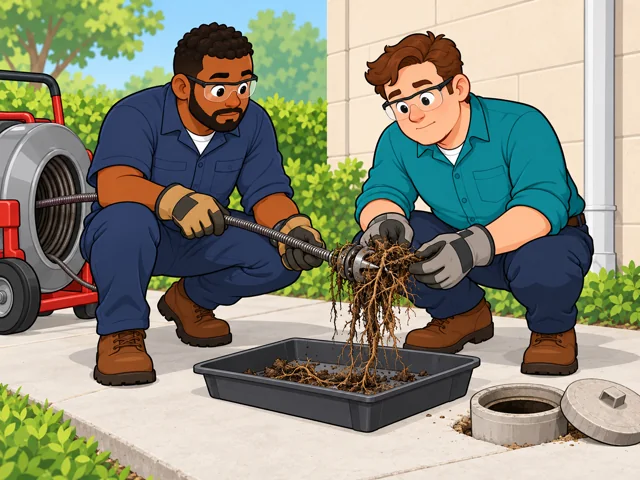
Use a water jet or powered cable, then check the withdrawn cable for roots or grease.
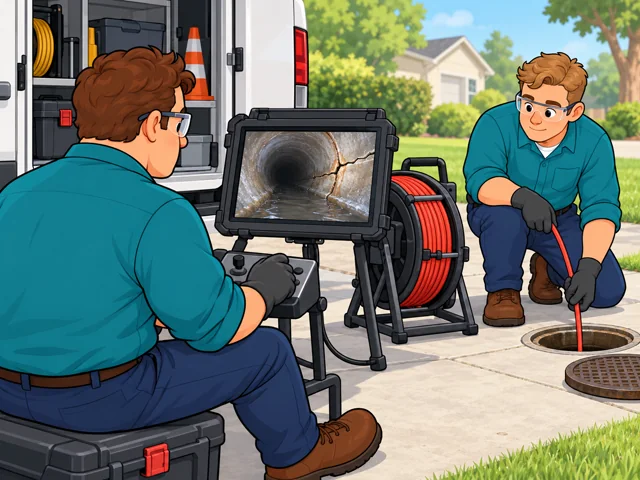
On crews that carry a camera, feed it down the pipe and study the screen for trouble.

Tell the customer what the inspection found, talk through the repairs you suggest, and record the job.
United States · 2025
United States · May 2025
United States · 2025–2035
Quick orientation
A high school diploma or equivalent is typical, followed by moderate-term training on the job.
National median pay was $23.98 an hour in May 2025.
About 2,800 openings a year are projected nationally over 2025–2035.
Pipe cameras bring the inside of a sewer onto a screen, helping crews inspect places they cannot see directly.
You still control the cleaning equipment and decide what the conditions call for.
How much more inspection can move to a screen—and how much physical access it will still require—remains an open question.
Pay in context
Use the national median as a reference point when comparing actual job offers.
Median pay was $49,880 a year, or $23.98 an hour, in May 2025. Half of workers earned less and half earned more.
In May 2025, the 10th-percentile annual wage was $37,040 and the 90th-percentile wage was $73,490. These are wage percentiles, not starting and senior salaries.
In May 2023, annual average pay was $48,220 in remediation and other waste management services and $52,520 in local government, excluding schools and hospitals. These older averages are not individual offers.
The projected 2,800 annual openings over 2025–2035 include replacing workers who leave the occupation as well as employment growth. They are not all newly created jobs.
Learning at work is the usual foundation. Look for helper or trainee roles, and read the driving requirements before applying.
After entry
This starts where the entry routes leave off: early work, growing capability, and advancement or specialization.
Build reliable habits for tool care, equipment checks, and recording each service visit.
Develop your septic troubleshooting skills so you can explain what is wrong and which repair you recommend.
With experience, aim for a senior technician role handling more of the diagnosis and customer conversation while working with a helper.
Travel between homes and businesses in a service truck. You work on individual customers' systems and explain findings directly to the people paying for the visit.
Maintain public sewer lines with cleaning equipment and inspection cameras. Your work fits a crew's maintenance program; some departments also share street-repair duties.
Try it
Watch a sewer-camera inspection video from a utility or equipment maker. Pause at a suspected blockage, sketch what you see, and write one question you would ask before choosing a cleaning tool. Notice whether interpreting an underground problem interests you.
Stay safe: Keep this exercise on a screen. Do not open or enter a septic tank or manhole.