

Drape a towel, test the water
Place a towel to protect the client's clothes, ask how the water feels, and change it if needed.
Career profile
Shampooers shampoo and rinse clients' hair, then reset the basin for whoever's next.
Getting clients comfortable before their stylist appointment is one way to try salon work. It may suit hands-on people who enjoy dealing with clients.
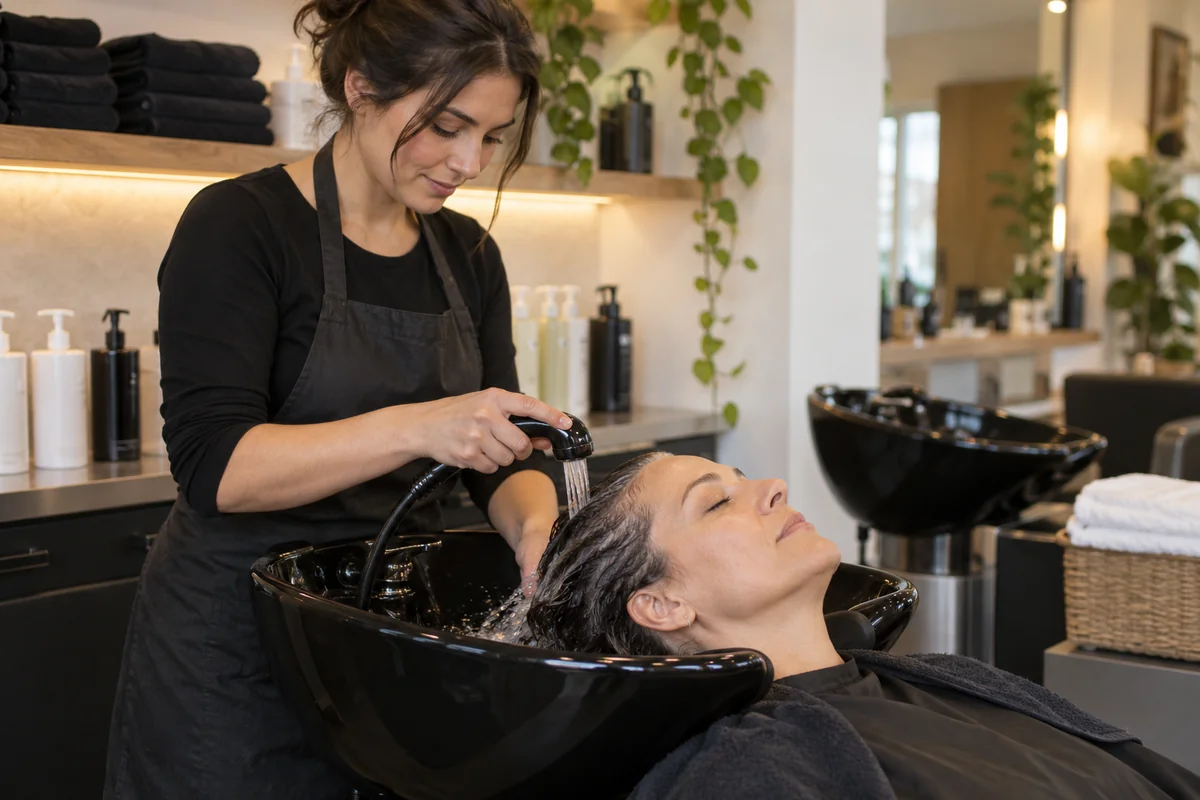
Place a towel to protect the client's clothes, ask how the water feels, and change it if needed.
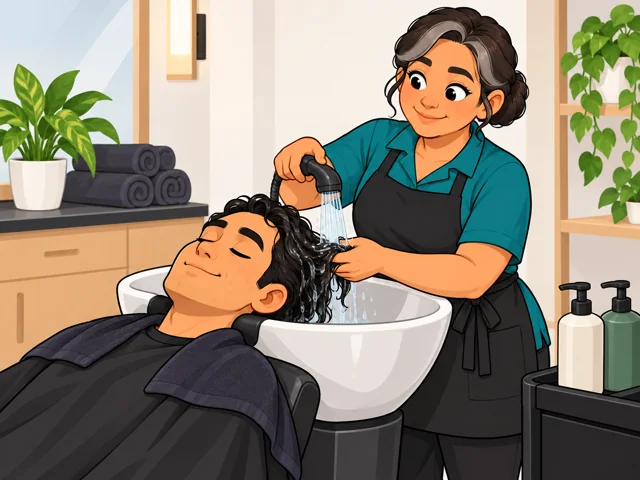
You work the stylist's chosen shampoo and conditioner through the client's hair, then rinse them out with water.
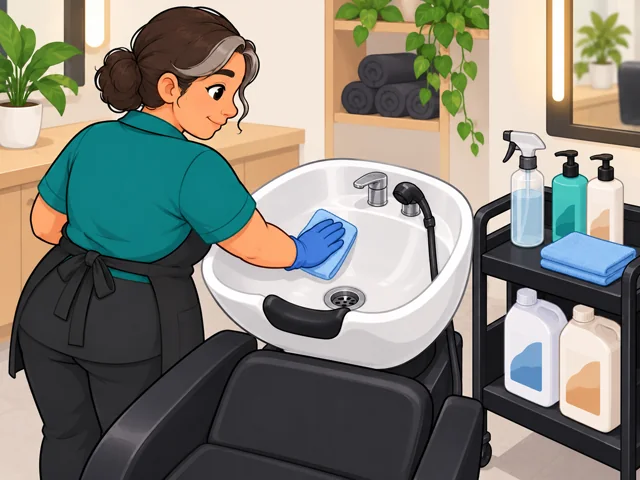
Once each client is done, disinfect the basin and top up the shampoo and conditioner.
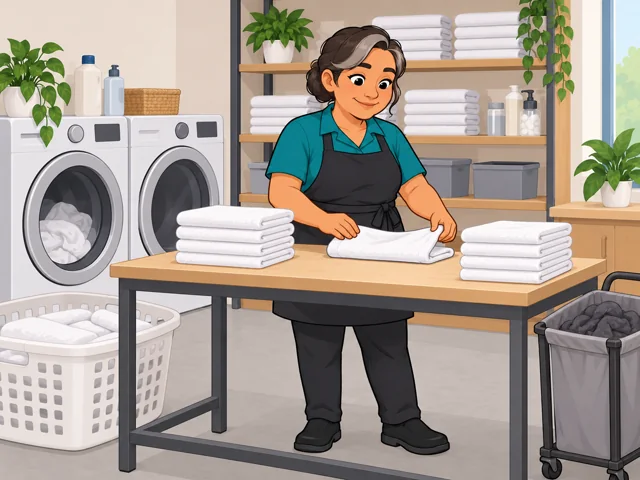
Wash and fold the towels so a client's wash is never held up by a shortage.
United States · 2025
United States · 2025
United States · 2025–2035
Quick orientation
Typically no formal educational credential is needed for entry. Employers can set additional requirements.
National median for shampooers; the annual equivalent is $32,600.
About 2,200 openings a year are projected nationally over 2025–2035.
Appointment and inventory software can help organize bookings and track supplies.
You still handle the wash and respond when a customer says the water feels wrong.
As salon systems change, the balance between basin work and digital scheduling or stock tasks may shift.
Pay in context
Compare the hourly rate and expected weekly hours when you consider a job.
The 2025 median was $15.67 an hour, or $32,600 annually. That annual figure represents a full-year equivalent, not guaranteed yearly income.
The bottom 10% earned $23,110 or less annually; the top 10% earned $38,240 or more. These are wage percentiles, not beginner and experienced pay levels.
These wage estimates include tips but exclude overtime premiums. Fewer paid hours mean less annual income at the same hourly rate. Ask how the salon handles tips and whether quoted pay includes them.
Employment is projected to grow 5.6% from 2025 to 2035, with about 2,200 openings annually. That is a national projection, not a count of jobs available near you.
Check the actual duties before choosing training: shampoo-only work and broader hair services can have different legal requirements.
After entry
This starts where the entry routes leave off: early work, growing capability, and advancement or specialization.
Get consistent at preparing customers and keeping towels and work areas ready when stylists need them.
Build enough product knowledge to explain the shampoo or conditioner being used.
If you want to style or color hair, pursue the required cosmetology qualification. Shampooer experience can inform that choice, but it does not replace licensing steps.
You may support several stylists and help keep the color area ready, including cleaning bowls. Jobs can be part-time or full-time.
Your support work can extend beyond the hair department: laundry may include spa robes and linens as well as salon towels.
Try it
Ask a salon whether you can observe one shampoo service. Notice how the worker checks comfort and resets the basin afterward. Would you enjoy repeating that careful routine for different people?
Stay safe: Get permission from both the salon and the customer before observing.