
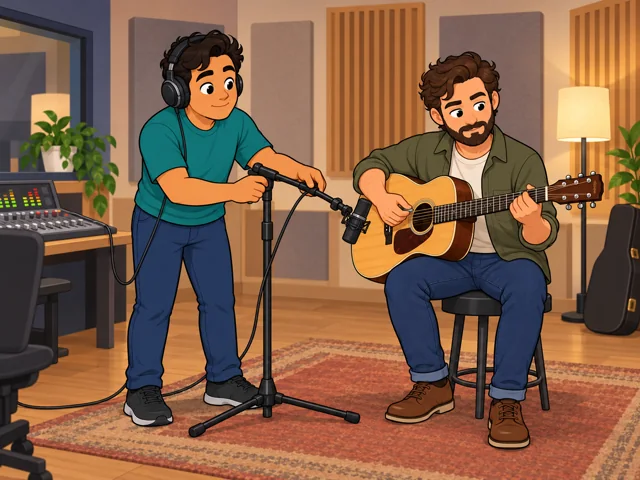
Set up and test a mic
Before a session or live show, place the mic, patch it into the console, and hear a test.
Career profile
Sound engineers record and mix audio for live shows, studio recordings, film, television, and video.
Instruments are drowning out a singer's voice. Your task is to figure out what to change, then rebalance the mix toward the performer's goal.
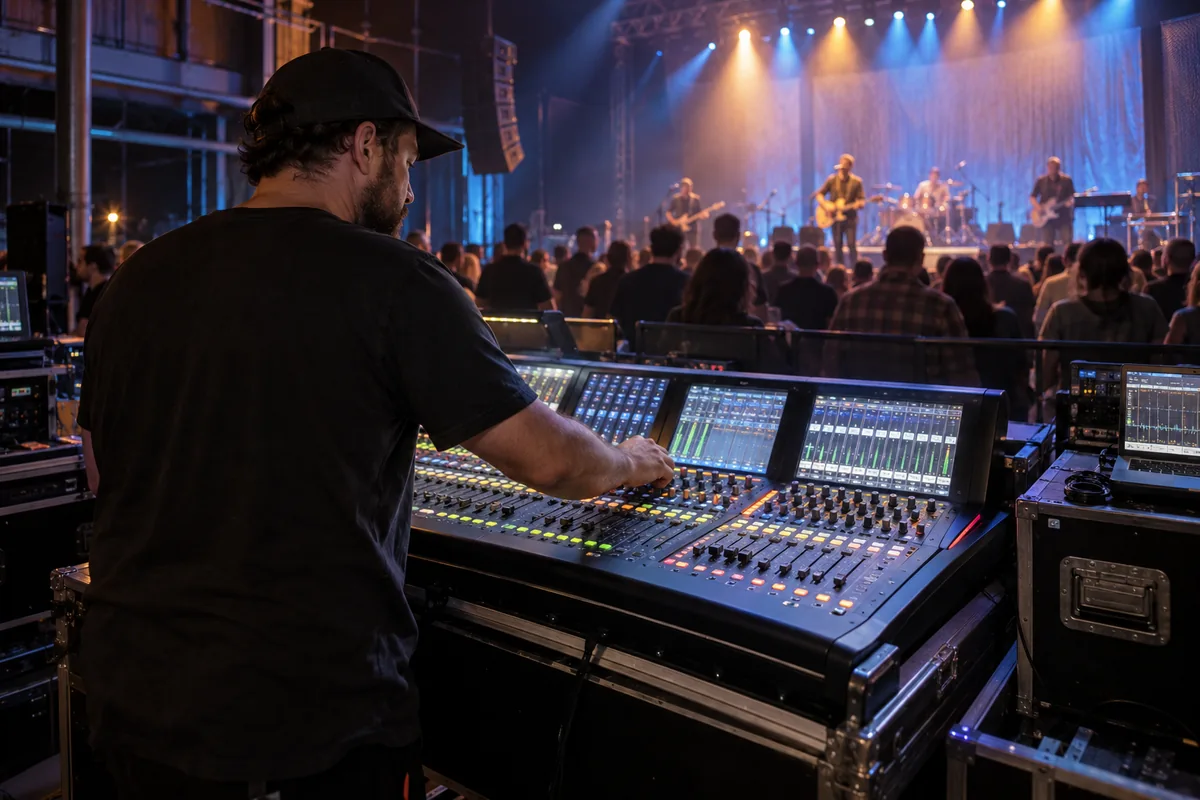
Before a session or live show, place the mic, patch it into the console, and hear a test.
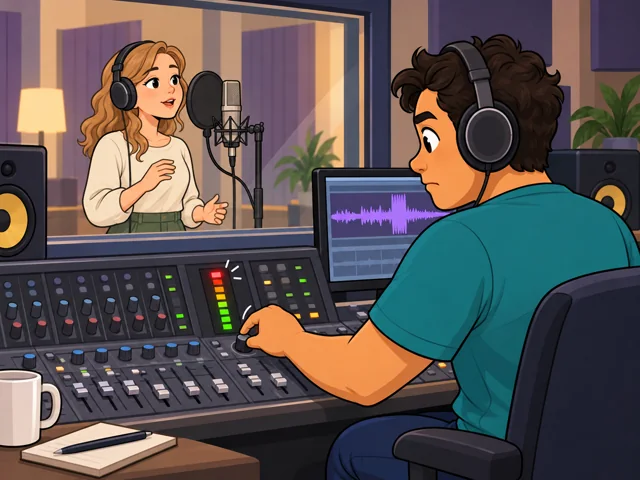
As someone plays or sings, watch the console meters, listen, and change the level when loud parts clip.
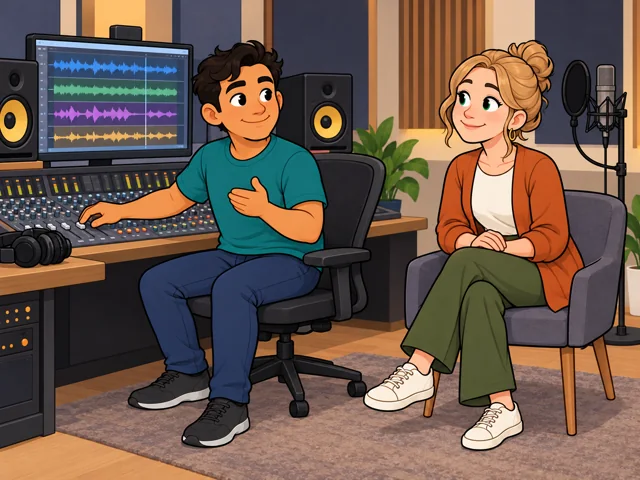
Set how loud the instrument and vocal tracks sit, then ask the performer if it's their intended sound.
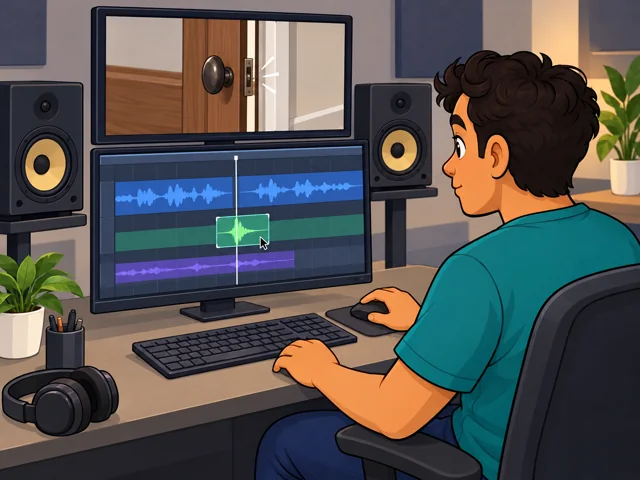
For film or television, match dialogue and sound effects to on-screen action, then check the sync on playback.
United States · 2025–2035
United States · May 2025
United States · 2025–2035
Quick orientation
Typical entry education is a nondegree award after high school. Requirements vary by position.
Median employee pay for sound engineering technicians, equivalent to $35.16 an hour.
About 1,000 openings a year are projected for sound engineering technicians despite declining total employment.
For recorded audio, tools such as RX Scene Rebalance can separate dialogue, music, and effects so you can adjust them individually.
You still listen for unwanted changes and decide with collaborators what the finished sound should be.
How much cleanup can run unattended remains uncertain: separation software can put a sound in the wrong track, leaving corrections for you.
Pay in context
The national median is a useful reference for employee jobs, but it is not a starting salary.
Sound engineering technicians had median pay of $73,130 a year, or $35.16 an hour. The 10th-percentile annual wage was $37,570 and the 90th-percentile wage was $137,370. Those points describe the wage distribution, not beginner and senior salaries.
Experience, responsibility, and location can affect pay. These employee estimates exclude self-employed earnings, so they do not tell you what a freelance project will bring in.
Employment is projected to decline 3.1% from 2025 to 2035, with about 1,000 openings per year on average. Openings can occur as people leave an occupation even when its total employment falls.
Requirements range from a high school diploma to a college degree, depending on the position. These two training options emphasize different parts of sound work.
After entry
This starts where the entry routes leave off: early work, growing capability, and advancement or specialization.
Get consistent at setup, testing, and keeping recording logs that others can use.
Learn to trace a missing signal through the system and make more deliberate choices about microphone placement and mix balance.
Develop toward mixing or mastering work, refining the balance or final presentation of recordings.
Work with microphones, recording software, and studio monitors. You can compare recorded passes and refine the mix after the performance.
Setup and teardown surround the show. During the performance, you manage sound for the audience or the mix performers hear onstage.
Work against a picture timeline, balancing dialogue with music and effects. Movie delivery deadlines can stretch the working day.
Try it
Using a phone or computer you already have, record a short spoken introduction and a separate background sound. In an audio editor, combine them and adjust the background until every word is clear. Compare versions: do you enjoy the repeated listening and small decisions?
Stay safe: Listen at a comfortable volume; louder playback is not needed to judge the balance.