
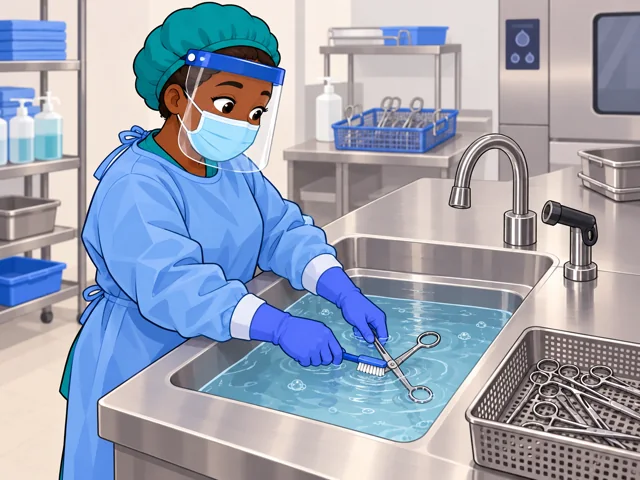
Clean instruments before further processing
You clean debris off used instruments and get them ready for processing, even where machines handle later stages.
Career profile
Sterile processing technicians clean, inspect and prepare surgical tools for reuse in later operations.
A tray can look complete while one instrument has a problem. Catching small details keeps the surgical team's equipment safe to use.
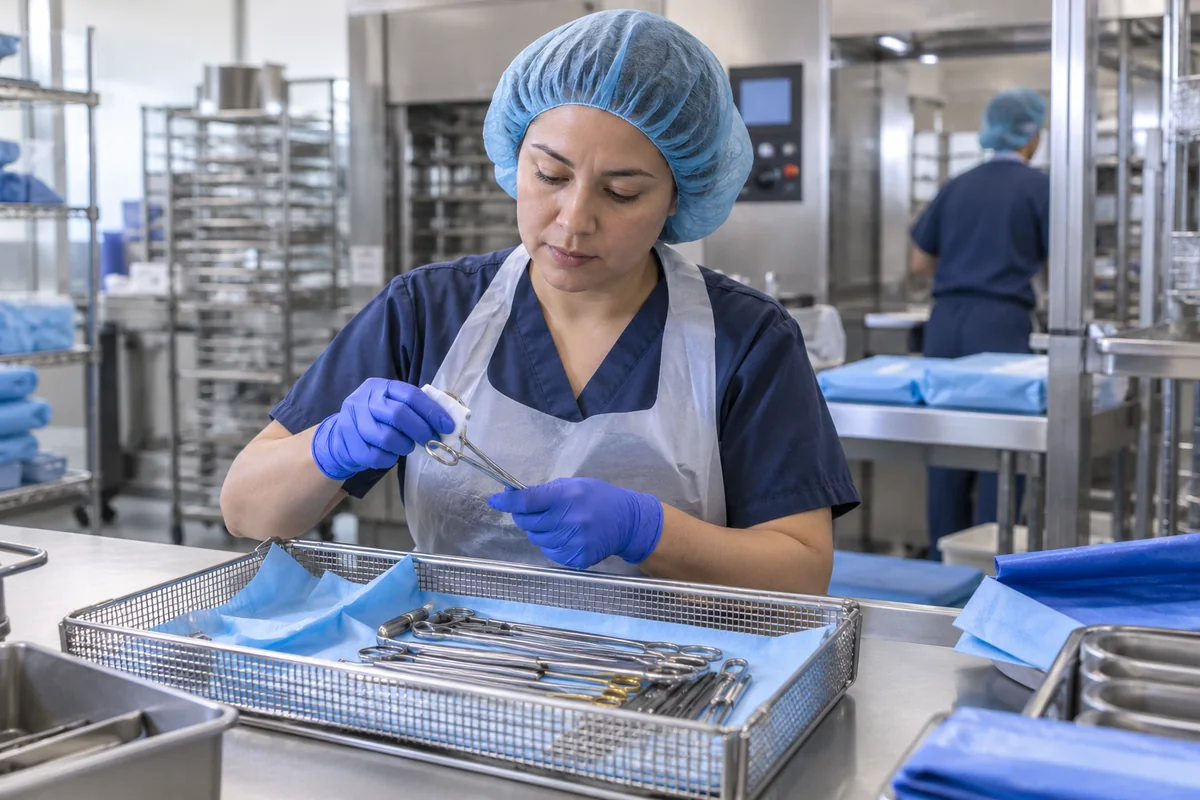
You clean debris off used instruments and get them ready for processing, even where machines handle later stages.
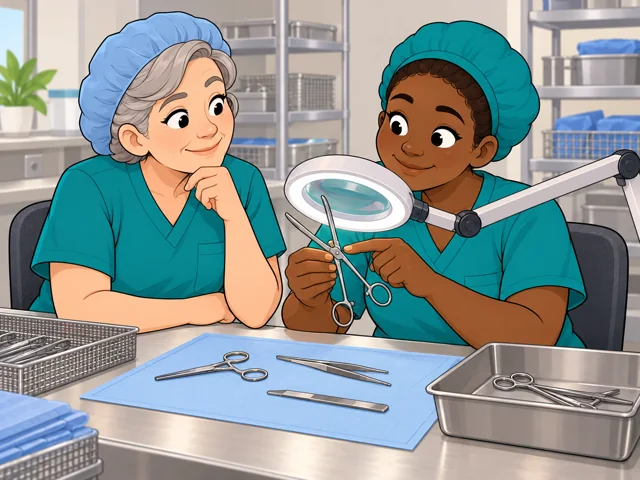
Look closely at an instrument and tell your supervisor if any part seems worn or loose.
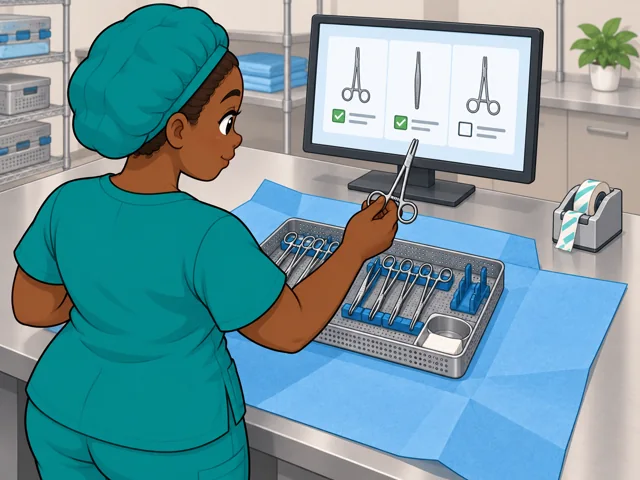
Match tools to a count sheet, sometimes digital with photos, sort out missing ones, and wrap the set.
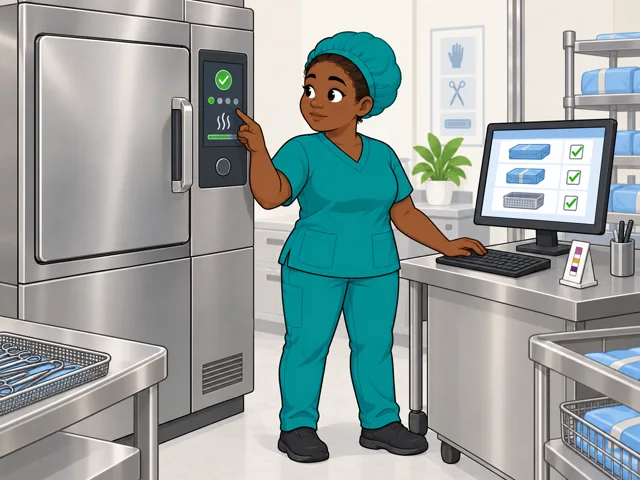
Start the sterilizer, watch its controls, and log each load's items and test results.
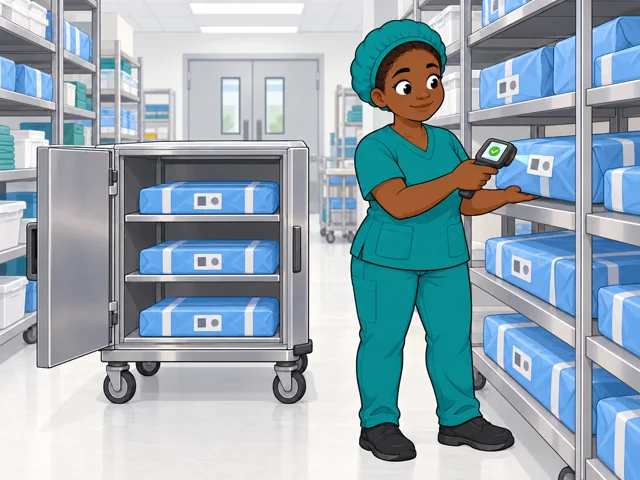
With tracking software, where it exists, you can locate a set and see its processing progress.
United States · 2026-10-03
National pay figures below cover the broader medical equipment preparer occupation.
The broader occupation is projected to grow; its forecast also includes work outside sterile processing.
Quick orientation
You can learn through an employer or a college program with clinical practice.
National pay figures below cover the broader medical equipment preparer occupation.
The broader occupation is projected to grow; its forecast also includes work outside sterile processing.
Instrument-tracking software can show where a set is and keep digital records of its sterilization process.
You still inspect instruments, assemble sets, and deal with missing or damaged pieces.
Experimental robots can sort and pack instruments. How much tray assembly they will take over across different surgical sets remains uncertain.
Pay in context
Use the national figures as broad context, then compare the hourly rates and requirements of jobs near you.
Medical equipment preparers had a May 2025 median of $47,700 a year, or $22.93 an hour. The 10th and 90th percentiles were $36,410 and $69,950. These figures cover a broader group than sterile processing technicians; the percentiles are not starting and experienced pay levels.
In Rochester, Minnesota, a hospital sterile-processing role advertises $21.96–$29.02 an hour under a union contract. That is a local advertised range, not a guaranteed starting rate.
Medical equipment preparer employment is projected to grow 10.8% from 2025 to 2035, with about 10,700 openings annually. Those openings include replacements and growth across the broader occupation, not just sterile processing.
Look for either a job that trains beginners or a program that includes supervised clinical practice.
After entry
This starts where the entry routes leave off: early work, growing capability, and advancement or specialization. This path also has a credential or licensing boundary; see the requirements and limits.
Learn your department's flow from contaminated instruments to packaged sets and sterile storage. Build reliable habits through hands-on practice.
Learn specialty instruments and their inspection needs. Get better at spotting a missing piece or a problem that prevents a tray from being ready.
Work toward an instrument-specialist role. The Certified Instrument Specialist credential requires full CRCST certification, 200 separate qualifying experience hours completed within the previous five years, and a passing exam.
You supply operating-room staff and work with instrument washers, sterilizers, and tracking systems. Some roles include night, weekend, and holiday rotations.
You prepare instruments for the center's surgical cases. Some centers offer weekday daytime work without overnight shifts or call; check the particular center's schedule.
Try it
Make a count sheet for a small tray of clean household utensils. Have someone remove or swap an item, then check the tray against your list. Notice whether you enjoy the close comparison and catching a mismatch.
Stay safe: Use blunt household items only. This explores checking habits, not medical cleaning or sterilization.