Training path
A bachelor's degree in environmental science, biology, geology, chemistry, or ecology is the typical starting point.
Career guide
If you care about the natural world and want your work to matter in real decisions — cleanup projects, land use, water quality, regulations — this is applied science with real stakes.
Explore the real work, training route, pay range, and the parts that still need human judgment.
A bachelor's degree in environmental science, biology, geology, chemistry, or ecology is the typical starting point.
Lower-end pay from the source noted in this profile.
Experienced range from the source noted in this profile.
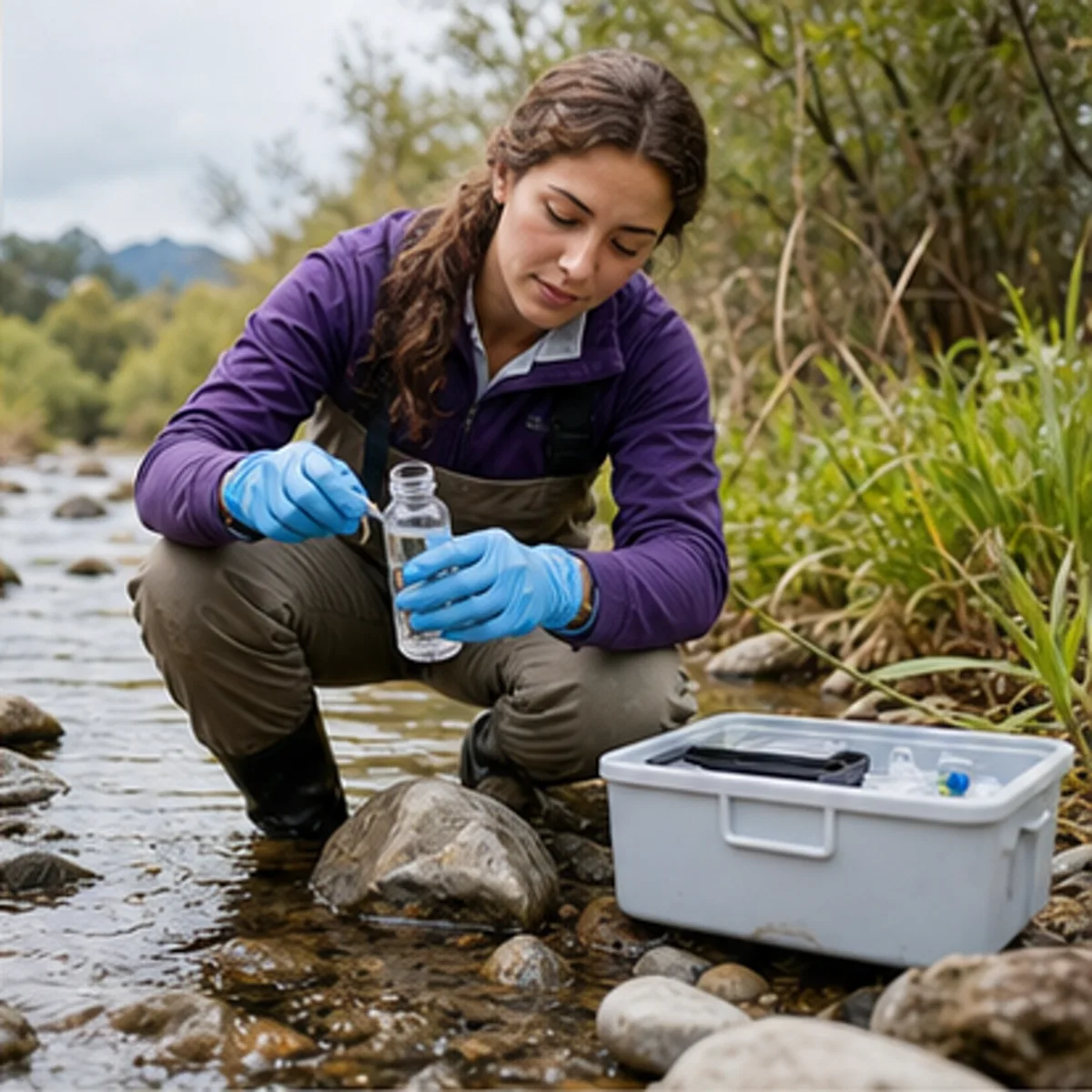
Environmental work lives in real places with competing stakes and imperfect data. Scientists judge whether a sampling plan captures the actual problem, weigh technical findings against community and regulatory context, and sign off on conclusions that affect cleanup decisions or permits. AI can accelerate research and report drafting, but cannot replace professional judgment or the accountability that comes with signing a report.
BLS May 2024 wages for Environmental Scientists and Specialists (SOC 19-2041). Entry is the 10th percentile, mid is the 50th, senior is the 90th. Pay varies by employer — consulting firms, federal agencies (EPA, DOE), and energy companies pay differently. Projected growth: 4% (2024–2034), ~8,500 annual openings.
A bachelor's degree in environmental science, biology, geology, chemistry, or ecology is the typical starting point. Research and policy roles often prefer a master's degree. Community college students can transfer into a 4-year environmental science program at most state universities. Many environmental scientists build field experience through internships with consulting firms, EPA, state agencies, or nonprofits before graduating — this experience is often what separates candidates for entry-level roles.
Sources and review
The latest independent review packet did not include this full profile. Its national claims map directly to the named BLS occupation.
May 2024 national BLS percentiles for Environmental Scientists and Specialists.
BLS 2024–34 national projection for the same occupation.
BLS lists a bachelor’s degree as typical entry education; some roles prefer more study or field experience.
No universal license is claimed; certifications may depend on specialty and employer.
This profile does not yet include verified workplace examples. The work, pay, and training details above are ready to explore.
Try it
Choose one task from the Environmental Scientist guide above and find a small, safe way to try the thinking behind it.